


Is it impossible to read 100 books before you die? Reading is a great way to gain knowledge and broaden your views from home. Here’s a list of books you should read before you die to get you started.
A Comprehensive Guide
Here is a curated list of 100 books that are considered classics, influential, or simply a must-read. Delve into these literary masterpieces, and enrich your reading journey before you bid farewell to this mortal coil.
Best Books in different categories
The list includes various genres. These include fiction, non-fiction, and science fiction & fantasy. They also cover mystery & thriller, classic literature, and poetry. The list includes biography & memoir, philosophy, and historical accounts.
Best 100 Books of all time
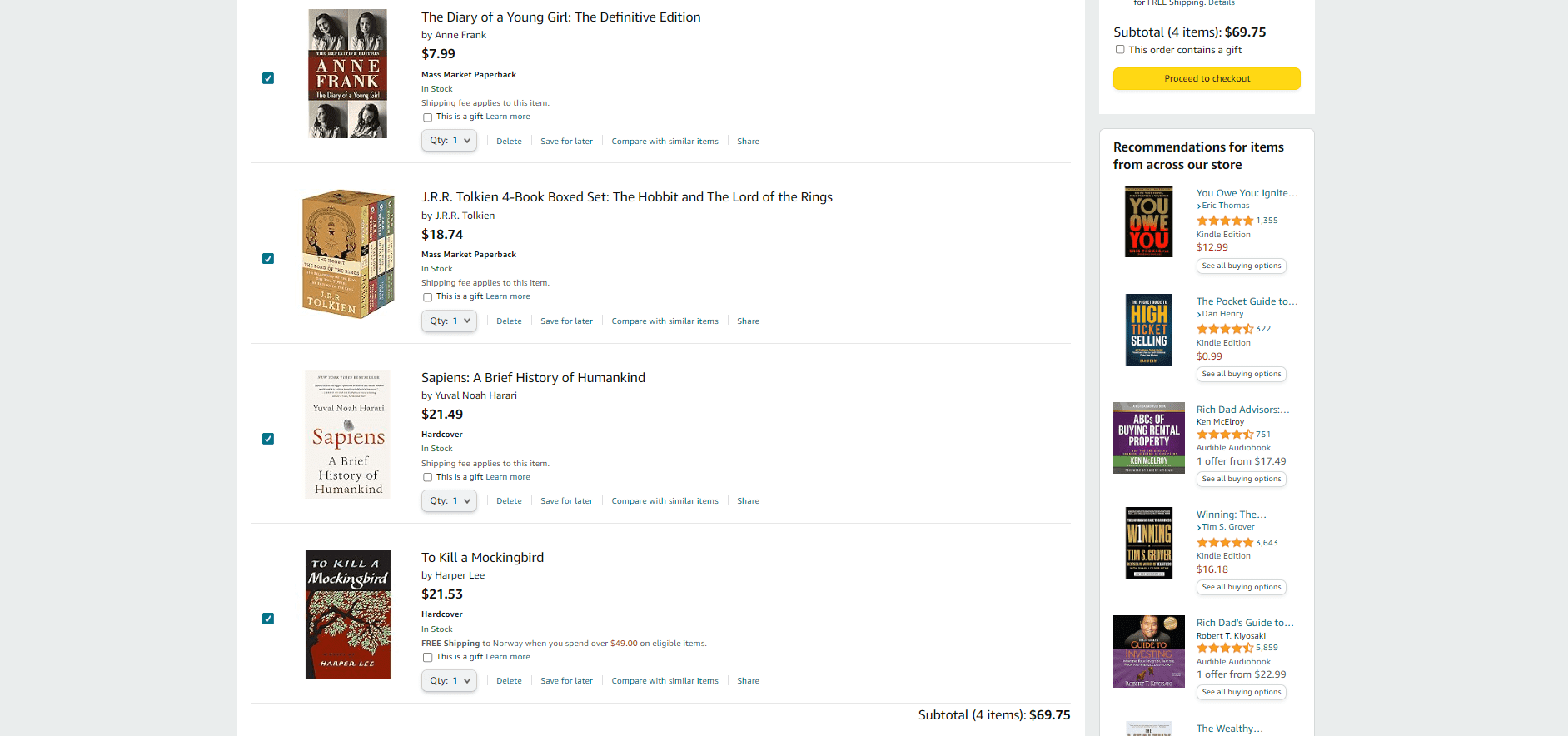
Some notable books on the list include “To Kill a Mockingbird” by Harper Lee. “1984” by George Orwell is another significant book. “Sapiens: A Brief History of Humankind” by Yuval Noah Harari is included as well. “The Lord of the Rings” by J.R.R. Tolkien also features on the list. “The Diary of a Young Girl” by Anne Frank is among many others.
What are your Best Books

Compiling a definitive list of the “best” 100 books to read before you die is impossible. Still, there are several highly regarded titles that have stood the test of time. These literary works span various genres and offer unique perspectives on the human experience.
Fiction

Fiction enthusiasts will find classics like “Pride and Prejudice” by Jane Austen. They will also enjoy “Moby Dick” by Herman Melville and “The Great Gatsby” by F. Scott Fitzgerald. These novels transport readers to different eras and explore themes of love, ambition, and societal dynamics.
- “To Kill a Mockingbird” by Harper Lee
- “1984” by George Orwell
- “Pride and Prejudice” by Jane Austen
- “The Great Gatsby” by F. Scott Fitzgerald
- “Brave New World” by Aldous Huxley
- “Moby-Dick” by Herman Melville
- “The Catcher in the Rye” by J.D. Salinger
- “One Hundred Years of Solitude” by Gabriel García Márquez
- “War and Peace” by Leo Tolstoy
- “The Lord of the Rings” by J.R.R. Tolkien
Non-Fiction

“The Diary of a Young Girl” by Anne Frank provides a personal look into a Jewish teenager’s life. This is for those who prefer non-fiction. This takes place during World War II. “Sapiens: A Brief History of Humankind” by Yuval Noah Harari offers an insightful analysis of human history. The book explores our place in the world.
- “Sapiens: A Brief History of Humankind” by Yuval Noah Harari
- “The Diary of a Young Girl” by Anne Frank
- “The Power of Now” by Eckhart Tolle
- “Man’s Search for Meaning” by Viktor E. Frankl
- “The Immortal Life of Henrietta Lacks” by Rebecca Skloot
- “Thinking, Fast and Slow” by Daniel Kahneman
- “Guns, Germs, and Steel: The Fates of Human Societies” by Jared Diamond
- “The Feminine Mystique” by Betty Friedan
- “The Art of War” by Sun Tzu
- “In Cold Blood” by Truman Capote
Science Fiction & Fantasy

Science fiction and fantasy enthusiasts can delve into J.R.R. Tolkien’s iconic fantasy epic, “The Lord of the Rings,” or explore the dystopian world of “1984” by George Orwell. These imaginative tales captivate readers with their rich world-building and thought-provoking concepts.
- “Dune” by Frank Herbert
- “The Hitchhiker’s Guide to the Galaxy” by Douglas Adams
- “Ender’s Game” by Orson Scott Card
- “Neuromancer” by William Gibson
- “The Foundation Trilogy” by Isaac Asimov
- “Harry Potter and the Philosopher’s Stone” by J.K. Rowling
- “A Wrinkle in Time” by Madeleine L’Engle
- “The Left Hand of Darkness” by Ursula K. Le Guin
- “The Martian Chronicles” by Ray Bradbury
- “Snow Crash” by Neal Stephenson
Mystery & Thriller

Fans of mystery and thriller genres can immerse themselves in suspenseful narratives. Novels like “Gone Girl” by Gillian Flynn offer thrilling tales. “The Girl with the Dragon Tattoo” by Stieg Larsson offers complex mysteries. These gripping stories keep readers on the edge of their seats as they unravel complex mysteries.
- “The Girl with the Dragon Tattoo” by Stieg Larsson
- “Gone Girl” by Gillian Flynn
- “The Da Vinci Code” by Dan Brown
- “The Silence of the Lambs” by Thomas Harris
- “The Bourne Identity” by Robert Ludlum
- “And Then There Were None” by Agatha Christie
- “Rebecca” by Daphne du Maurier
- “The Big Sleep” by Raymond Chandler
- “Psycho” by Robert Bloch
- “The Spy Who Came in from the Cold” by John le Carré
Classic Literature

Classic literature enthusiasts will appreciate timeless works. Some examples are “To Kill a Mockingbird” by Harper Lee and “Crime and Punishment” by Fyodor Dostoevsky. These novels tackle profound themes of justice, morality, and the human condition.
- “Jane Eyre” by Charlotte Brontë
- “Moby-Dick” by Herman Melville
- “Ulysses” by James Joyce
- “Don Quixote” by Miguel de Cervantes
- “Wuthering Heights” by Emily Brontë
- “Anna Karenina” by Leo Tolstoy
- “The Divine Comedy” by Dante Alighieri
- “Les Misérables” by Victor Hugo
- “Mansfield Park” by Jane Austen
- “Crime and Punishment” by Fyodor Dostoevsky
Poetry

Poetry evokes deep emotions and thought, featuring notable works like T.S. Eliot’s “The Waste Land,” Walt Whitman’s “Leaves of Grass,” John Milton’s “Paradise Lost,” Edgar Allan Poe’s “The Raven,” J.R.R. Tolkien’s “Beowulf,” and Geoffrey Chaucer’s “The Canterbury Tales,” each showcasing its unique power to inspire across generations.
- “The Waste Land” by T.S. Eliot
- “Leaves of Grass” by Walt Whitman
- “Paradise Lost” by John Milton
- “The Raven” by Edgar Allan Poe
- “Beowulf” translated by J.R.R. Tolkien
- “The Canterbury Tales” by Geoffrey Chaucer
- “Selected Poems” by Emily Dickinson
- “The Love Song of J. Alfred Prufrock” by T.S. Eliot
- “Song of Myself” by Walt Whitman
- “And Still I Rise” by Maya Angelou
Biography & Memoir

The Biography and Memoir genre lets readers dive into the incredible lives of awesome people. These include Anne Frank, Malcolm X, Nelson Mandela, and Trevor Noah. It showcases their struggles and accomplishments. The genre also serves up some really valuable lessons and insights about being human.
- “The Diary of a Young Girl” by Anne Frank
- “The Autobiography of Malcolm X” by Malcolm X
- “The Diary of Samuel Pepys” by Samuel Pepys
- “The Wright Brothers” by David McCullough
- “Long Walk to Freedom” by Nelson Mandela
- “The Glass Castle” by Jeannette Walls
- “The Hiding Place” by Corrie ten Boom
- “Angela’s Ashes” by Frank McCourt
- “Born a Crime” by Trevor Noah
- “Night” by Elie Wiesel
Historical Fiction

Historical fiction vividly brings the past to life. It achieves this through well-crafted characters and settings. Notable works include Wolf Hall, The Book Thief, and All the Light We Cannot See. Other examples are The Kite Runner and The Pillars of the Earth. These novels offer unique insights into significant historical contexts and explore themes of human emotion and societal change.
- “Wolf Hall” by Hilary Mantel
- “The Book Thief” by Markus Zusak
- “All the Light We Cannot See” by Anthony Doerr
- “The Kite Runner” by Khaled Hosseini
- “The Pillars of the Earth” by Ken Follett
- “Gone with the Wind” by Margaret Mitchell
- “Cold Mountain” by Charles Frazier
- “The Help” by Kathryn Stockett
- “The Secret History” by Donna Tartt
- “The Color Purple” by Alice Walker
Philosophy

Philosophy explores existence and ethics through key texts like “Meditations” by Marcus Aurelius for Stoic insights, and Friedrich Nietzsche’s works on morality. Plato’s “The Republic” addresses justice, while Immanuel Kant’s “Critique of Pure Reason” and John Stuart Mill’s “On Liberty” focus on epistemology and personal freedom, fostering intellectual growth.
- “Meditations” by Marcus Aurelius
- “Thus Spoke Zarathustra” by Friedrich Nietzsche
- “Beyond Good and Evil” by Friedrich Nietzsche
- “The Republic” by Plato
- “Critique of Pure Reason” by Immanuel Kant
- “Groundwork of the Metaphysics of Morals” by Immanuel Kant
- “On Liberty” by John Stuart Mill
- “The Prince” by Niccolo Machiavelli
- “The Communist Manifesto” by Karl Marx and Friedrich Engels
- “Being and Nothingness” by Jean-Paul Sartre
Historical

Historical books provide insights into the past through narratives about significant events and the lives of those involved. Notable titles include “A History of the World in 10 1/2 Chapters” for storytelling, “The Guns of August” for its account of World War I, “Band of Brothers” for the valor of WWII soldiers, and “The Rise and Fall of the Third Reich” for exploring Nazi Germany. These works enhance our understanding of human nature and resilience.
- “A History of the World in 10 1/2 Chapters” by Julian Barnes
- “The Guns of August” by Barbara W. Tuchman
- “Band of Brothers: E Company, 506th Regiment, 101st Airborne from Normandy to Hitler’s Eagle’s Nest” by Stephen E. Ambrose
- “The Rise and Fall of the Third Reich” by William L. Shirer
- “Sapiens: A Brief History of Humankind” by Yuval Noah Harari
- “The Making of the Atomic Bomb” by Richard Rhodes
- “1491: New Revelations of the Americas Before Columbus” by Charles C. Mann
- “Team of Rivals: The Political Genius of Abraham Lincoln” by Doris Kearns Goodwin
- “The Silk Roads: A New History of the World” by Peter Frankopan
- “The Immortal Life of Henrietta Lacks” by Rebecca Skloot
In Conclusion
Reading is a great way to learn and see things differently. With so many unique books available, whether fiction or non-fiction, there’s always something awesome to explore. Grab a book, dive into the adventure, and let it change your perspective. Enjoy reading!





Leave a Reply