

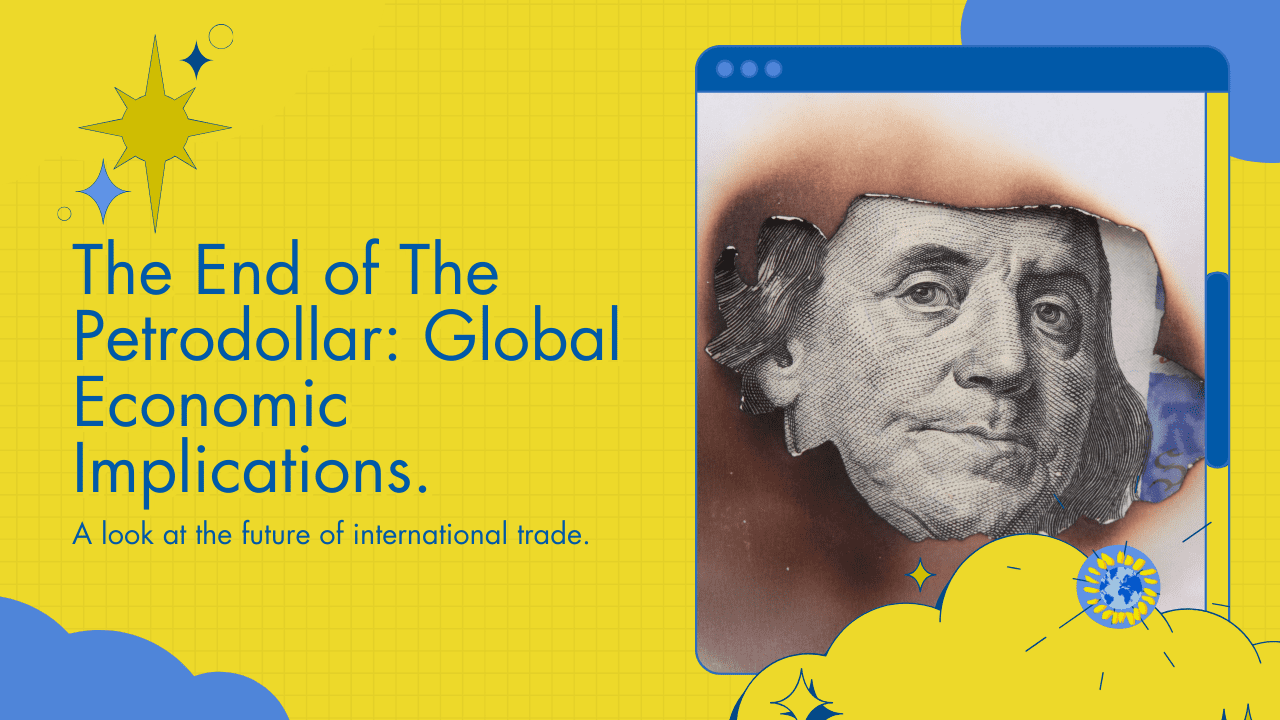

The possible end of petrodollar has attracted considerable attention, particularly following discussions between Saudi Arabia and China. Stay tuned for more updates and discussions as this story continues to unfold.
Read More
The idea of ending the petrodollar system has sparked intense debates among economic analysts and experts.
This potential change could significantly impact global financial markets and the geopolitical landscape, leading to substantial shifts in international trade and monetary systems.
It’s crucial to stay informed about this developing story and engage in discussions about the implications of a world without the petrodollar.
Table of contents
People Also Ask
What happens if Petrodollar ends?
The end of the petrodollar would make the dollar weaker, even though it wouldn’t be a fatal problem on its own. It’s unwise to overlook the petrodollar’s status because it also affects geopolitics.
What happens if Saudi Arabia drops the dollar?
If Saudi Arabia stops using the US dollar for oil and starts selling oil using local currencies, other countries may also sell their US treasury bonds and trade in their own currencies. This could have a big impact on global trade.
Is China buying oil in yuan from Saudi Arabia?
Chinese President Xi Jinping told leaders from the Gulf Arab countries in December 2022 that China planned to buy oil and gas using yuan. However, according to traders, China has not yet used the yuan to purchase oil from Saudi Arabia.
Did Saudi Arabia stop using the US dollar?
When Saudi Finance Minister Mohammed al-Jadaan expressed Saudi Arabia’s openness to using currencies other than the U.S. dollar in oil contracts in January 2023, it attracted significant media attention. This unexpected level of interest may have taken him by surprise, but it was not entirely unforeseen.
How & Why Petrodollar could end soon
Negotiations between China and Saudi Arabia suggest a possible move away from the U.S. dollar as the global reserve currency.

Saudi Arabia, a leading oil producer, is considering pricing oil sales to China in Yuan rather than the petrodollar, signifying a significant shift from the longstanding petrodollar system.
Analysts believe that this potential shift could have major implications for the international monetary system, particularly the dominance of the U.S. dollar as the global reserve currency, sparking a debate about the potential consequences in a post-petrodollar world.
Saudi Arabia and China Sign the End of the Petrodollar
There has been significant buzz surrounding the alleged plan by Saudi Arabia and China to terminate the petrodollar system, and it has been a hot topic among economic analysts and experts. The ramifications of such a move could be profound and far-reaching, impacting global financial markets and the geopolitical landscape.
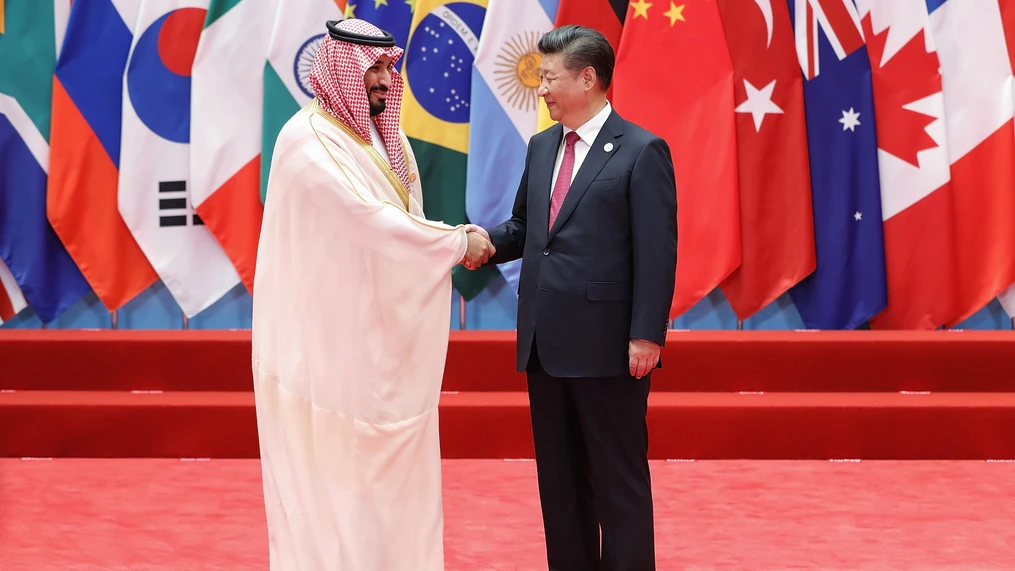
Saudi Arabia is looking to China as the era of the petrodollar comes to an end
The gradual American military departure from the Arab Middle East is allowing Russia, Turkey, Iran, and now China to increase their influence in the region.
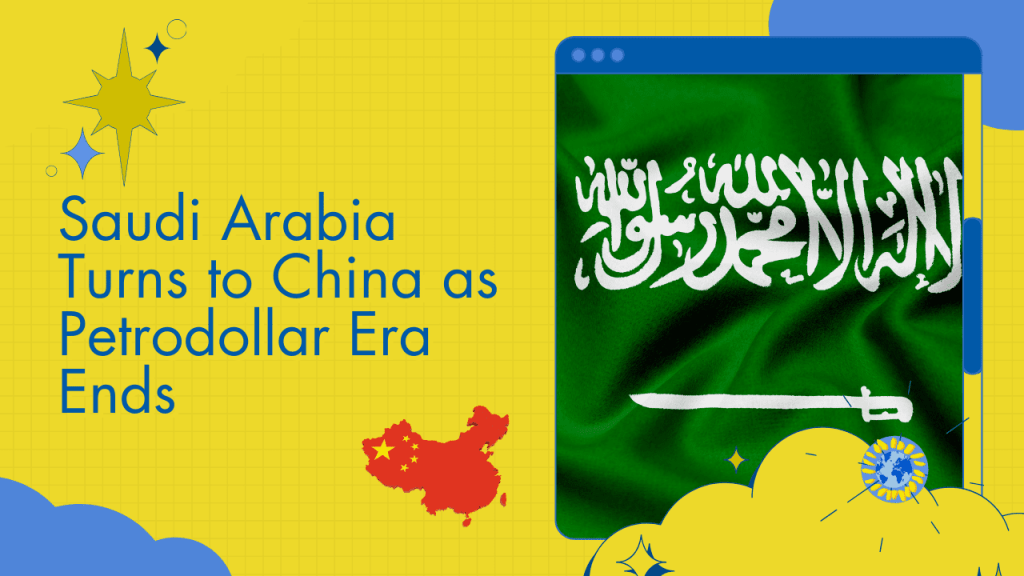
Saudi Arabia, under MBS’s leadership, wants to become a big player on the world stage by 2030, and that could shake things up for the US and Israel.
China is getting involved in the region and Saudi’s move towards China with the Shanghai Cooperation Organization.
Additionally, Israel’s increasing exports to Asia indicate a change in its primary market from the US to Asia, which carries strategic implications for the US-Israel alliance.
Dollar is still king
The dollar’s global dominance is declining due to various factors such as U.S. sanctions, reduced reliance by countries like Saudi Arabia, and decreased demand for U.S. Treasury bonds.
This trend may cause the dollar’s value to fall, leading to inflationary pressures.
Despite its continued involvement in 88% of forex transactions, the yuan’s share is estimated to be around 13% due to the increasing transaction volume processed through the China International Payments System (CIPS).
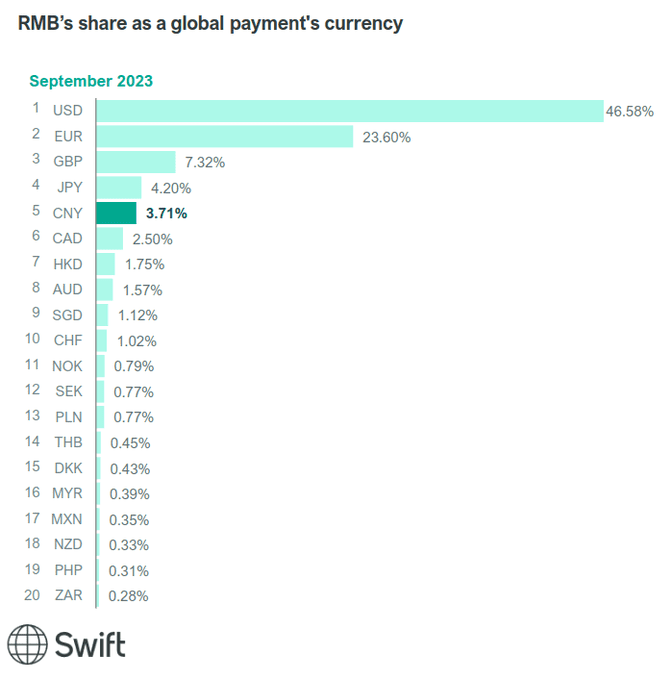
Central banks are avoiding the dollar
The importance of the dollar in central bank reserves has decreased to 58% from 65% six years ago. Foreign entities hold around 30% of all U.S. public debt, compared to about 43% a decade ago.

Other currencies are being used in oil markets, with more oil sales conducted in currencies like the yuan, as Russia and Saudi Arabia seek to shift away from the dollar.
While JP Morgan thinks that rapid dedollarization is unlikely, many analyses suggest that fragmentation is increasing, with the BRICS countries determined to reduce their reliance on the dollar.
BRIC+
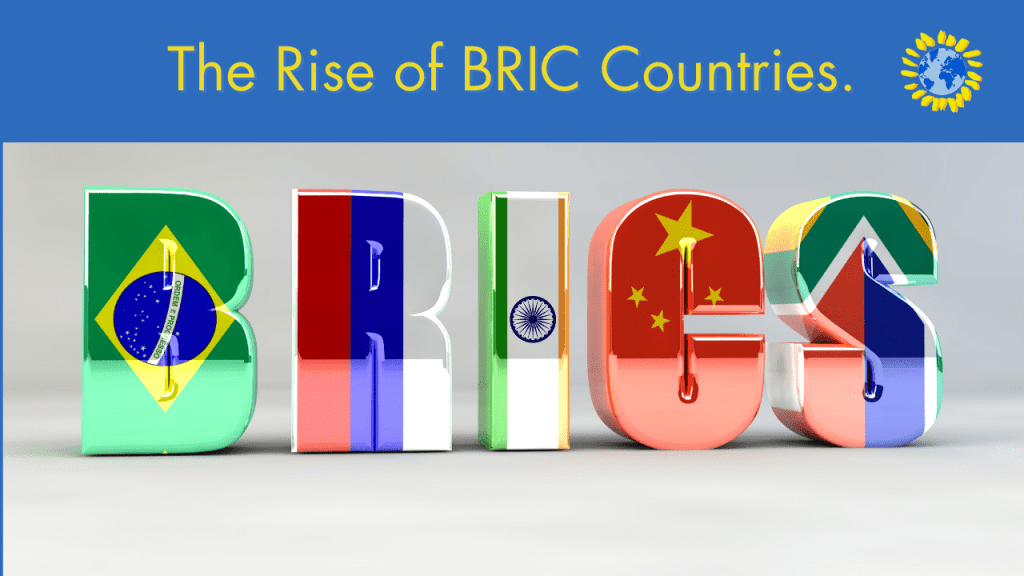
The BRICS+ alliance has 11 members and is very influential globally. It represents 47% of the world’s population, 32% of the land, 37% of the global economy, 38% of industrial production, and 25% of global trade.
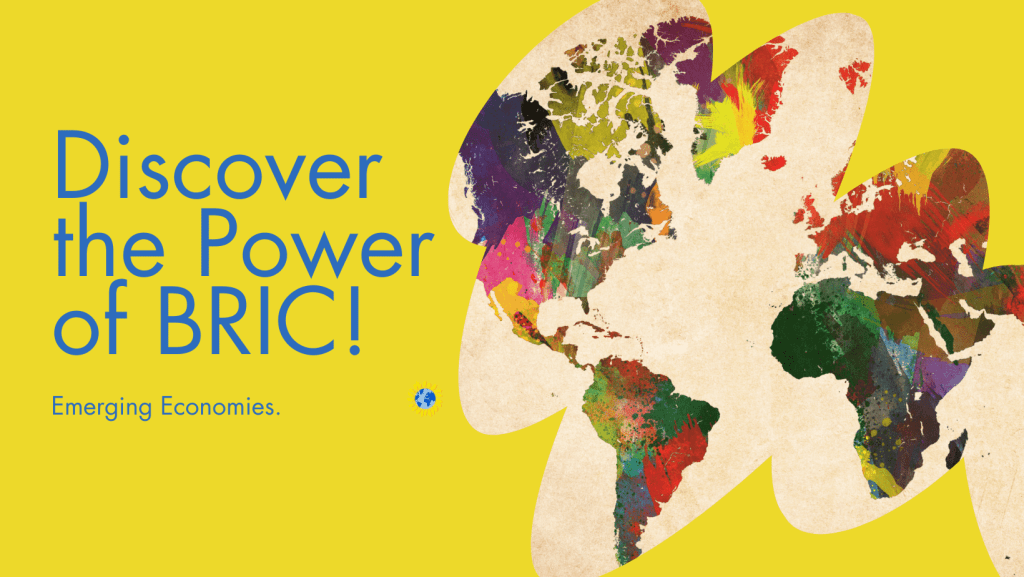
The alliance also controls 45% of oil production and has military strength surpassing NATO. It is considered the dominant force in the multi-sided 21st-century world due to the contributions of different civilizations.
Some are worried about the possibility of a third world war, especially since Russia has stopped accepting the dollar and other countries might do the same.
This could lead to a return to gold as a central trade currency, especially with Bitcoin becoming scarcer and easier for global transfers.
CONFIRMED: Saudi Arabia & Chinas Plan To End The Petrodollar. Michael Cowan is not A financial adviser.…
Michael Cowan
For more detailed information about this significant development, you can watch this video CONFIRMED: Saudi Arabia & China’s Plan to End the Petrodollar, where further in-depth analysis and insights are provided.
The conclusion of the end of petrodollar
The petrodollar system may be ending, as Saudi Arabia and China reportedly plan to move away from using the U.S. dollar as the primary global currency. This potential shift has sparked discussions among financial experts due to its potential impact on global monetary systems and politics.







Leave a Reply