

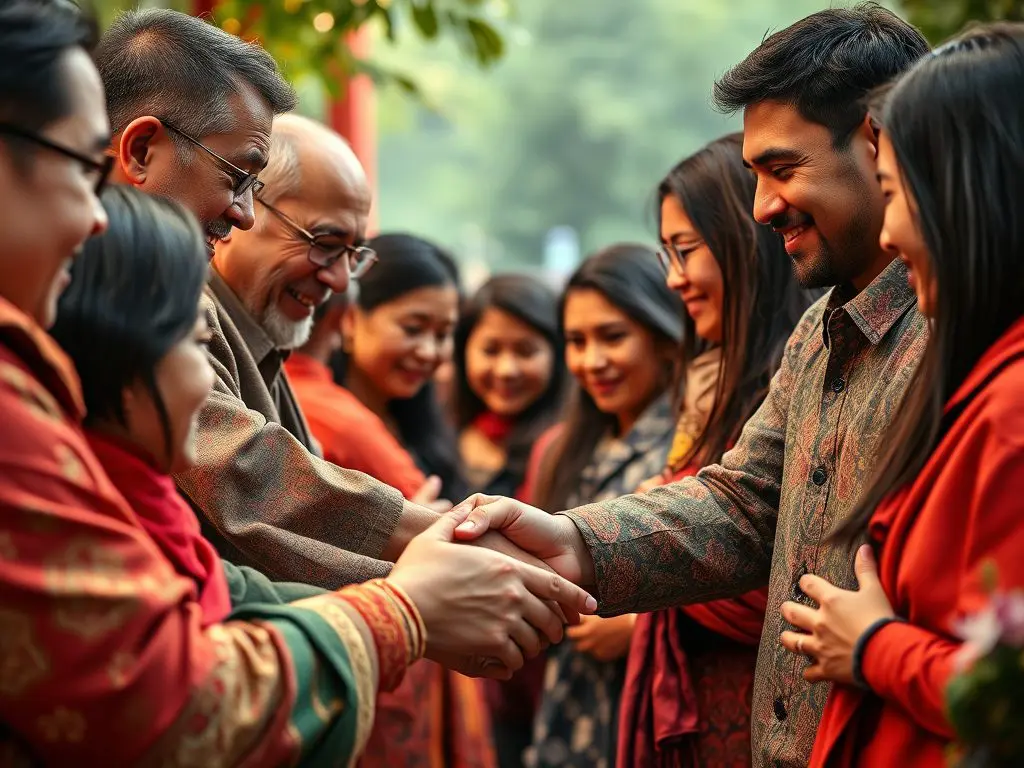
Did you know that basic greetings are one of the most universally practiced rituals across human societies? According to recent research, these simple exchanges serve as the foundation for building relationships.
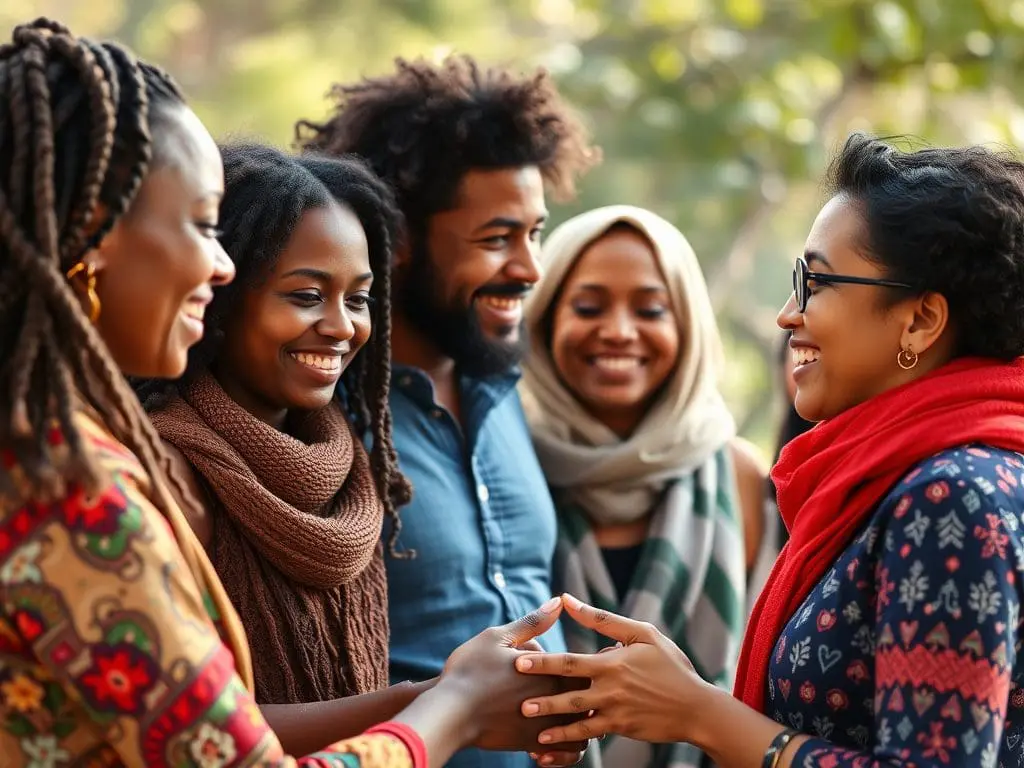
The common global greetings offer fascinating insights into different cultures’ values and customs. Recognizing these varied greeting customs helps appreciate their significance.
The Universal Language of Hello: Understanding Global Greetings 🌎
- Handshakes dominate Western business culture, serving as a vital element of professional interactions. Interestingly, during my time in the United States, I noticed one thing. A firm handshake sets the tone for future conversations. Have you experienced a similar situation? Common greetings in different cultures may include a handshake, but each varies in style.
- Bowing remains central in many Asian societies, conveying respect and acknowledgment. In Japan, for instance, I learned the significance of the depth of the bow depending on the relationship. Have you ever had a memorable bowing experience? Bowing across the globe is one of the worldwide greetings that signify respect.
- The hongi (nose pressing) in Maori culture symbolizes sharing breath and life force. Participating in this ritual during my visit to New Zealand was a profound experience. What cultural rituals have you encountered that struck you deeply? Hongi shares its essence with other common greetings worldwide, promoting unity.
- Middle Eastern cultures often emphasize right-hand gestures and verbal greetings which are integral to their customs. For example, offering your right hand when greeting someone is essential. How do you approach greetings in different cultures? Common greetings in these regions revolve around right-hand exchanges.
Cultural Sensitivity in Modern Greetings 🤝

Language Coaching
🧿 Choose a coaching Package
- Gender considerations vary by region within common global greetings. It’s important to adjust to local customs—have you navigated this challenge? These gender-related variations are part of greetings common globally, demanding awareness.
- Personal space preferences differ globally. Reflecting on my travels, I noticed that proximity in greetings can vary widely. What’s your take on personal space in greetings? Proximity adjustments are part of the global greeting customs, often dictated by local norms.
- Religious and cultural customs impact greeting styles and should be respected. I once forgot to greet someone appropriately in a religious context. It was a learning moment. Have you faced a similar experience? It’s crucial to remember that common greetings are often shaped by these traditions.
- Post-pandemic adaptations in different societies have influenced global greetings. Virtual greetings through video calls have also changed how we perceive introductions. How do you feel about these adaptations? These changes reflect the evolution of common greetings into the digital age.
Leave a Reply
Professional Greetings in a Global World 💼

Hospitality Coaching
- Virtual meeting etiquette across cultures is essential for successful communication. When I participated in an international conference online, adapting my greeting based on the attendees’ backgrounds was crucial. How do you approach this in your meetings? Virtual greetings are becoming a new common worldwide, overcoming physical barriers.
- Business card exchange protocols vary significantly. In China, the manner in which you give your business card can communicate respect. Have you learned any specific protocols in your field? These exchanges are a fundamental part of the common global greeting customs, emphasizing courtesy.
- The difference between formal vs informal greeting contexts can shape professional relationships. When is it appropriate to switch from a formal to an informal greeting in your experience? In professional settings, navigating between these common greetings requires understanding cultural subtleties.
- Understanding time and context-appropriate greetings is paramount in a global business environment. For example, I learned that greeting someone in the morning differs vastly from evening interactions in some cultures. What have you noticed in your travels? Recognizing when to adapt greetings is a skill vital in comprehending common global customs.
Leave a Reply
Master Cultural Communication Today 📚
Want to navigate cultural differences confidently? I am a multilingual cultural expert with over 15 years of experience in Italian, Norwegian, French, and English-speaking settings. I can help you understand cross-cultural communication, including common global greetings.
Language Coaching
🧿 Choose a coaching Package
Book a personalized coaching session to:
- Learn authentic cultural greetings, focusing on common global elements.
- Understand deeper cultural contexts.
- Master professional international etiquette.
- Avoid common cultural faux pas.
💡 Pro Tip: Remember that greeting customs are more than just actions – they’re gateways to meaningful connections across cultures. By embracing these differences, you’ll enrich your interactions.

Website Coaching
Choose one of the
Question for Comments
What’s the most interesting greeting custom you’ve encountered in your travels? Share your experience with common greetings below!





Leave a Reply