

In today’s interconnected world, learning a new language has become more accessible than ever. As we dive into 2025, language learning apps have evolved significantly, incorporating advanced AI technology and innovative learning techniques.
Let’s explore the top 10 language learning apps that are revolutionizing how we master new languages.
Best Language Learning Apps 2025
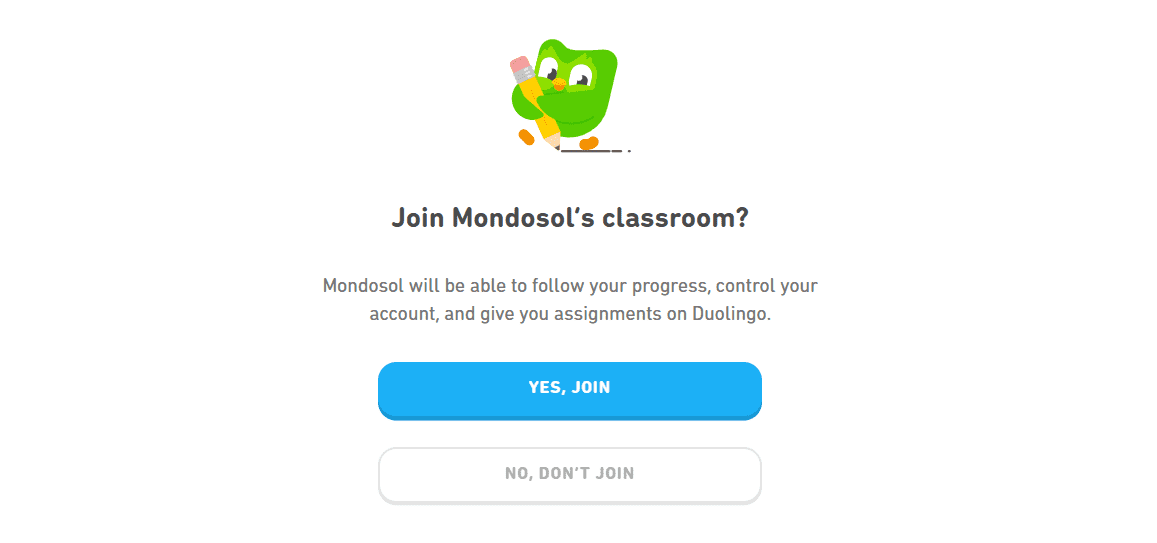
1. Duolingo – Best Free Language Learning App
Key Features:
- Gamified learning experience
- 40+ languages available
- AI-powered personalization
- Interactive speaking exercises
Pros:
- Free
- Engaging gameplay
- Great for beginners
Cons:
- Not comprehensive enough for advanced learners
User Testimonials:
“Duolingo made learning Spanish fun! I’ve been enjoying the game-like format!”
– Sarah T.
– Michael R.
“I learned basic French vocabulary through Duolingo. Phrases like ‘Bonjour’ and ‘Merci’ were super easy to pick up!”
2. Babbel – Most Comprehensive Learning Experience
Key Features:
- Structured curriculum
- Real-life conversation focus
- Grammar-intensive lessons
- Speech recognition technology
Pros:
- Well-structured lessons
- Practical vocabulary
Cons:
- Subscription required for full access
User Testimonials:
“Babbel helped me speak French confidently. The lessons were clear and relevant!”
– John D.

– Anna L
“Thanks to Babbel, I could have my first conversation in Spanish using phrases like ‘¿Cómo estás?’ and ‘Me gustaría…!’”
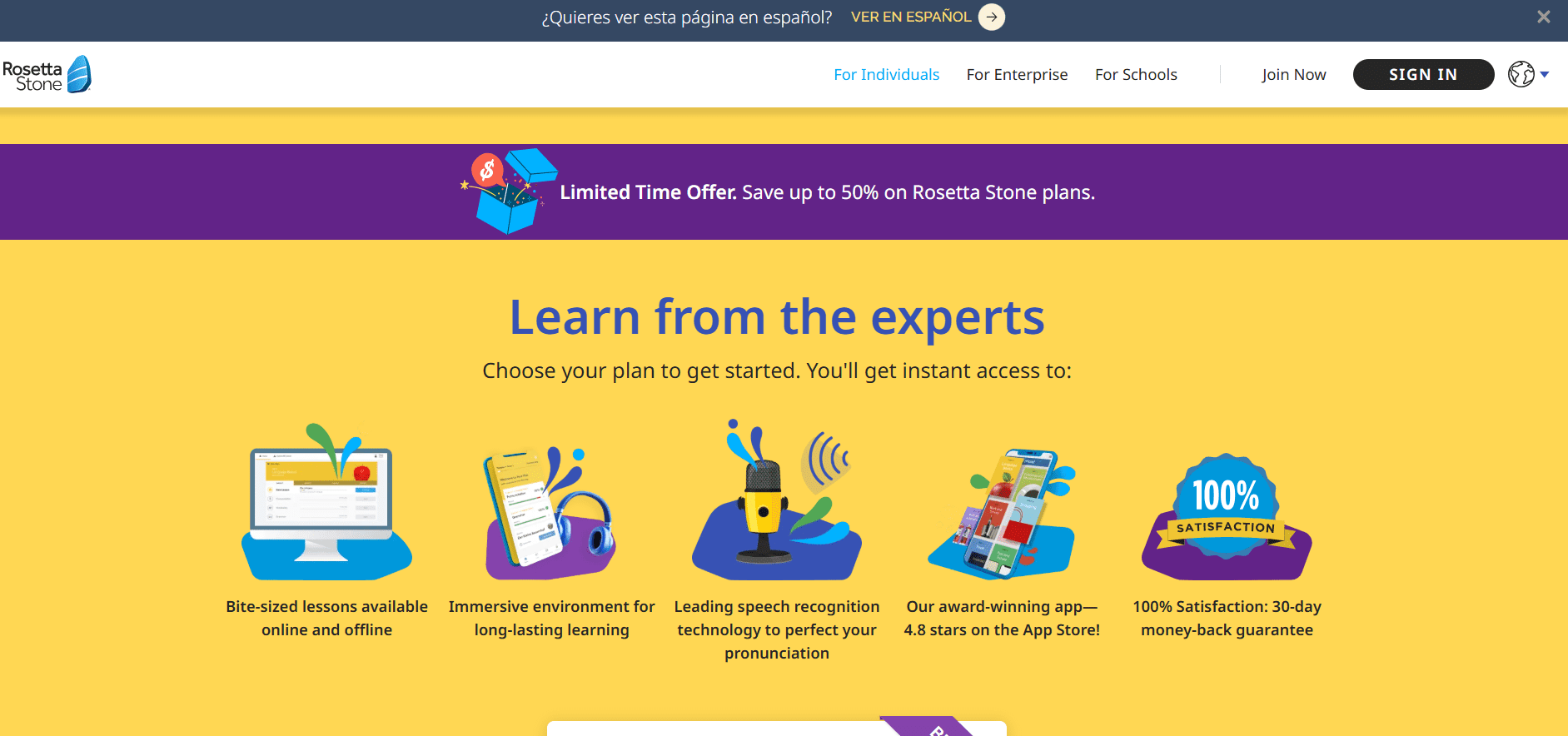
3. Rosetta Stone – Best for Immersive Learning
Key Features:
- TruAccent® speech recognition
- Immersive learning method
- Offline access
- Live tutoring options
Pros:
- Proven method
- Excellent pronunciation tools
Cons:
- Higher price point
User Testimonials:
– Emily K.
“With Rosetta Stone, I felt like I was truly immersed in the language!”
– Chris M.
“The pronunciation exercises in Rosetta Stone helped me master phrases like ‘¿Dónde está el baño?’ quickly!”
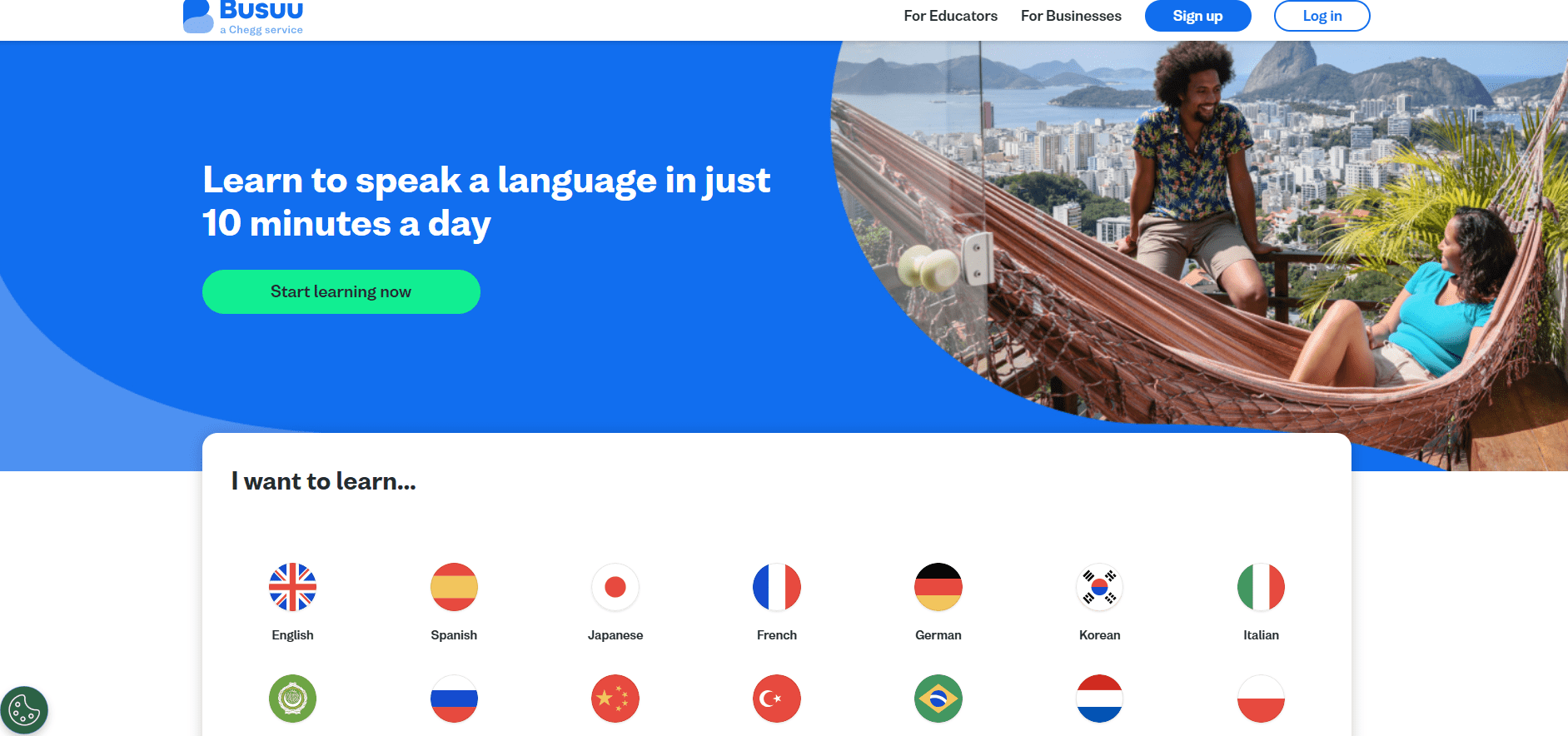
4. Busuu – Best for Social Learning
Key Features:
- Native speaker feedback
- Personalized study plans
- Official McGraw-Hill certification
- Community interaction
Pros:
- Direct feedback from native speakers
Cons:
- Limited free content
User Testimonials:
– Laura W.
“The community feedback on Busuu was invaluable. I learned phrases like ‘¿Qué hora es?’ in no time!”
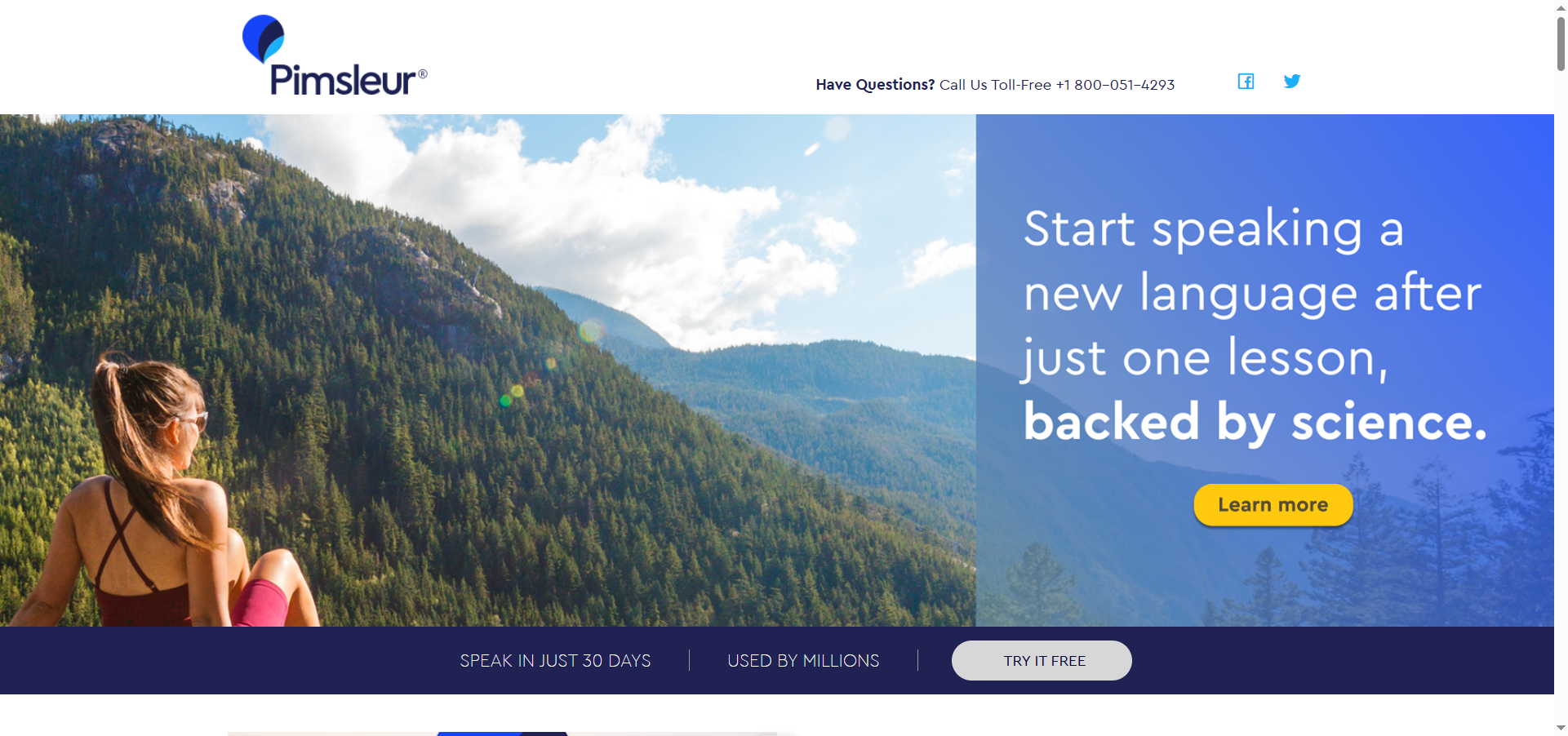
5. Pimsleur – Best for Audio Learning
Key Features:
- 30-minute audio lessons
- Spaced repetition system
- Focus on speaking and listening
- Cultural notes
Pros:
- Excellent for auditory learners
Cons:
- Less focus on reading and writing
User Testimonials:
“The audio lessons in Pimsleur helped me get comfortable with speaking Mandarin quickly!” – Kevin S.
6. Memrise – Best for Vocabulary Building
Key Features:
- Engaging video clips of native speakers
- Spaced repetition system
- Community-created courses
Pros:
- Great for building vocabulary
Cons:
- Less structured than others
7. Tandem – Best for Language Exchange
Key Features:
- Connects learners with native speakers
- Text, audio, and video chat options
- Language correction features
Pros:
- Real conversational practice
Cons:
- Requires active participation
8. Lingodeer – Best for Asian Languages
Key Features:
- Tailored courses for Asian languages
- Clear explanations and examples
- Offline mode available
Pros:
- Structured yet flexible learning
Cons:
- Limited languages available
9. HelloTalk – Best for Community Learning
Key Features:
- Language exchange platform
- Text, voice, and video messaging
- Translation features built in
Pros:
- Learning through communication
Cons:
- Can be overwhelming for some
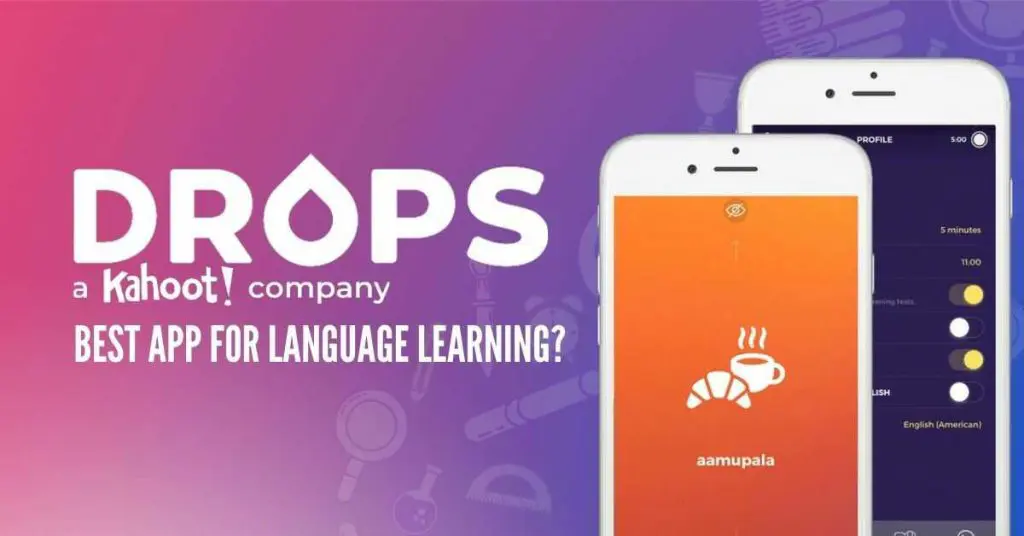
10. Drops – Best for Vocabulary Learning
Key Features:
- 5-minute engaging sessions
- Visual learning techniques
- Wide range of languages
Pros:
- Focused on vocabulary
Cons:
- Less emphasis on grammar
Comparison Section
Price and Features Comparison Table:
| App | Free Plan | Premium (Monthly) | Annual Plan | User Rating | Unique Offering |
|---|---|---|---|---|---|
| Duolingo | Yes | $12.99 | $79.99 | 4.6 | Gamified learning experience |
| Babbel | Limited | $14.99 | $83.40 | 4.7 | Real-life conversation focus |
| Rosetta Stone | No | $11.99 | $95.88 | 4.5 | Live tutoring options |
| Busuu | Yes | $9.99 | $69.99 | 4.4 | Official McGraw-Hill certification |
| Pimsleur | No | $19.95 | $119.40 | 4.3 | Audio-focused learning |
| Memrise | Yes | $8.00 | $59.99 | 4.5 | Engaging video clips of native speakers |
| Tandem | Yes | $6.99 | $49.99 | 4.3 | Connects learners with native speakers |
| Lingodeer | Limited | $10.99 | $89.99 | 4.4 | Courses tailored for Asian languages |
| HelloTalk | Yes | $6.99 | $49.99 | 4.5 | Language exchange platform |
| Drops | Yes | $10.99 | $79.99 | 4.3 | Visual learning methods |
Conclusion
Choosing the right language learning app among the best language learning apps 2025 depends on several factors. These include your learning style, goals, and budget.

- For beginners, Duolingo provides an engaging, gamified start.
- Babbel offers structured courses that cater to serious learners, while Rosetta Stone immerses users in real-life conversations.
- If you’re looking to engage with communities, Busuu and HelloTalk are excellent options.
Remember, each app has unique benefits tailored to different learning styles—consider your specific needs or situations before making a choice. Don’t wait to embark on your language learning journey—try one of our top picks today! Click our affiliate links to get exclusive discounts and start your adventure in language learning!
How to Choose the Best App for You
When selecting a language learning app, consider factors like your preferred learning style. Think about the language you wish to learn and your specific goals.
For example, if you thrive on social interaction, choose an app like Tandem or HelloTalk. If you’re an auditory learner, consider Pimsleur or Rosetta Stone. Identifying what works best for you is key to ensuring a fruitful and enjoyable learning experience.
Call to Action
Are you ready to enhance your language skills? Click here for an exclusive discount on your coaching plan and start speaking a new language today!

Language Coaching
🧿 Choose a coaching Package
Frequently Asked Questions (FAQ)
Q: Which language learning app is best for beginners?
A: Duolingo and Babbel are both excellent choices, offering unique features tailored to new learners.
Q: How long does it take to learn a new language using these apps?
A: The time it takes to learn a new language varies based on your prior knowledge, the language you’re learning, and the amount of time you dedicate each day. Many users see progress within a few months.
Q: Are these language learning apps suitable for all ages?
A: Yes, most of these apps are designed to be user-friendly for all age groups, from children to adults.
Q: Do I need an internet connection to use these apps?
A: Some apps offer offline capabilities, like Rosetta Stone and Lingodeer. However, features like community interactions and live tutoring typically require an internet connection.
Q: Can I use multiple language learning apps at the same time?
A: Absolutely! Many learners complement their studies by using multiple apps to take advantage of different features and learning styles.
Q: Are there any free resources available with these apps?
A: Yes, several apps like Duolingo and Memrise offer free plans, although these may have limitations compared to the Premium versions.
Q: How effective are gamified language learning methods?
A: Research indicates that gamified learning can increase engagement and motivation, making the learning process more enjoyable and effective for many users.
Q: What if I want to learn a less popular language?
A: While popular languages are widely supported, some apps like Tandem and Memrise feature community-created courses, offering options for various languages. Check the app’s course offerings before committing.
Q: Can I track my progress with these apps?
A: Yes, most of the apps allow you to track your progress.
People Also Read
- Airbnb without owning property
- How do I track all my investments in one place?
- Learn to speak Norwegian
- Short Term Let Property Management: A Profitable Opportunity
- Successful Affiliates’ Experiences: Real Stories and Strategies That Work
Join the Conversation!
Which language learning app do you find the most effective? Let us know in the comments below or take our quick poll!





Leave a Reply