
📚 Mondosol Help Center
Find answers to all your questions about our coaching, courses, and services
Business & Coaching
Master global business success through expert multilingual coaching and the Power Hour Method
1 articleLearning & Education
Master languages faster through cultural immersion and innovative education approaches
11 articlesTravel & Accommodation
Professional travel and accommodation services for educational experiences
16 articlesBooking & Reservations
Streamline your booking and reservation experience with expert guidance
13 articlesGuest Posting
Share your expertise in travel, education, and personal development
6 articlesAffiliate Program
Join our lucrative affiliate program with 50% commissions and €2 sign-up bonus
Coming soonPricing & Payments
Transparent pricing structure for all educational services
1 articlePlatform & Support
Comprehensive support for account management and technical assistance
1 articleAbout Mondosol
Discover our mission to transform global learning through innovative education
Coming soon🔥 Most Popular Questions
Learning & Education (6)
Travel & Accommodation Services (3)
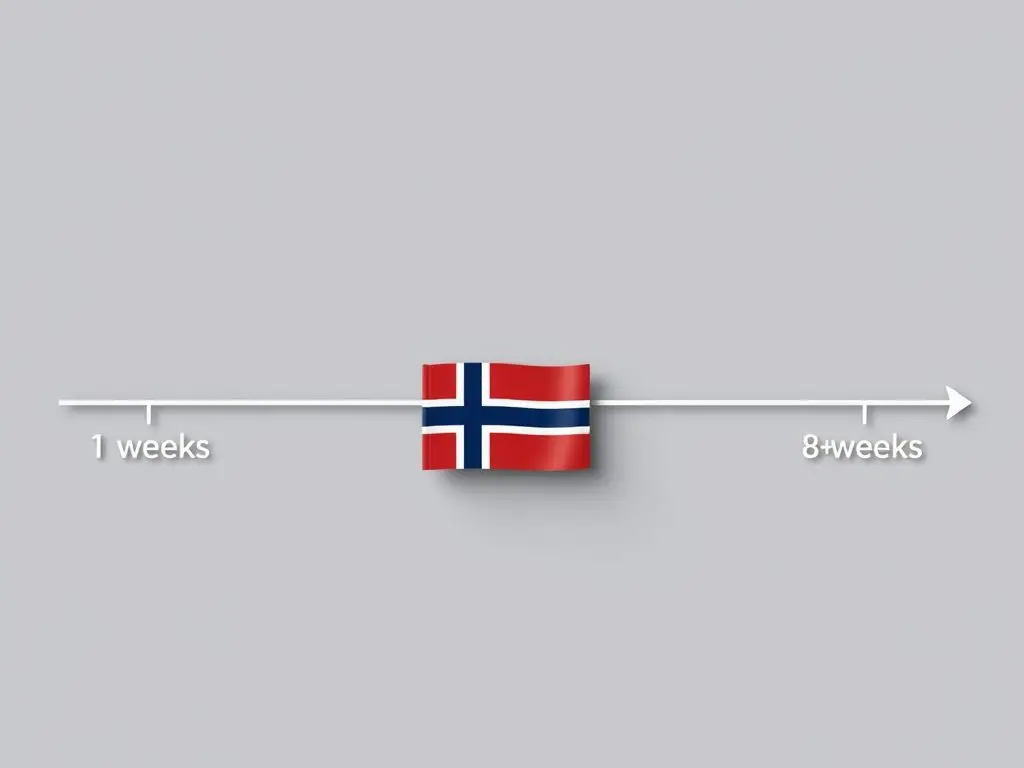
Most guests find 2–4 weeks is the ideal length for a Norwegian homestay. One week is a great taster, while 4–12 weeks offer deep immersion. Learn how your goals, budget, and visa rules affect the perfect stay length for you.
Estimated reading time: 6 minutes
Quick Answer 💡
Most guests do best with 2–4 weeks in a Norwegian homestay program. This gives you enough time to settle in, build a routine, and see real progress in your Norwegian and cultural understanding. Shorter stays (1 week) are great to “test” the experience, and longer stays (4–12 weeks) are ideal if you want deeper language immersion and life change.
Key Takeaways✅
- The ideal duration for a Norwegian homestay is 2–4 weeks for most guests, providing a balance of language and cultural immersion.
- A 1-week stay is a good taster, while 4–12 weeks offers deep immersion and significant progress in language skills.
- Your stay length depends on personal goals, budget, and visa rules; always check legal limits and insurance coverage.
- You can often extend your stay if your host family is available and your visa allows it, so communicate early with Mondosol.
- Consider what you want to achieve—language skills, cultural understanding, or a personal reset—when choosing your stay length.
- ⏱️ 1 week: Good “taster” or short holiday with a family
- 🗓️ 2–4 weeks: Best balance for language, culture, and budget
- 📚 4–12 weeks: Deep immersion for serious learners and remote workers
- 🧳 Ideal length depends on your goals, budget, and visa
- 🔁 You can often extend your stay if you love it and there is availability
Table of contents
- Quick Answer 💡
- 1 week: A short “taster” stay 🍽️
- 2–4 weeks: The sweet spot for most guests 🌱
- 4–12 weeks: Deep immersion and life change 🌊
- How your goals affect the ideal length 🎯
- Budget, work, and study considerations 💶
- Visas and legal stay limits 🛂
- Can I extend my stay if I choose too short? 🔁
- How to decide your ideal length 🧭
- Next Steps 🚀
- Related Links
1 week: A short “taster” stay 🍽️
A 1‑week Norwegian homestay is ideal if you:
- Want to try homestay for the first time
- Have limited holiday time from work or school
- Are visiting Norway and want more than a hotel
In one week you can:
- Experience daily life with a Norwegian family
- Learn basic phrases and practice simple conversations
- Join a few meals, walks, and local activities
You will not become fluent in a week, but you will know if homestay is right for you.
2–4 weeks: The sweet spot for most guests 🌱

Most guests choose 2–4 weeks, because it gives time to:
- Get past the first days of shyness and culture shock
- Build a daily routine with your host family
- Practice Norwegian in real situations (shops, buses, cafés)
- See clear progress in listening and speaking
This is usually the best balance between:
- Language progress
- Cultural immersion
- Budget and time off
If you are not sure, 2 weeks is a safe starting point, and you can often extend if you and your host family are happy.
4–12 weeks: Deep immersion and life change 🌊

Stays of 4–12 weeks are perfect if you:
- Are serious about learning Norwegian
- Are on a career break, sabbatical, or gap year
- Work or study remotely and want a new environment
With a longer stay, you can:
- Move from basic phrases to real conversations
- Build strong relationships with your host family and community
- Join local clubs, language cafés, and activities
This is the option that feels most like “living in Norway”, not just visiting.
How your goals affect the ideal length 🎯
Ask yourself what you want most from your homestay:
- Language focus:
- 1 week = warm‑up
- 2–4 weeks = solid boost
- 4–12 weeks = real transformation
- Culture and lifestyle:
- 1 week = quick taste
- 2–4 weeks = feel daily life
- 4–12 weeks = truly understand Norwegian habits and values
- Personal reset:
- 2–4 weeks = short reset
- 4–12 weeks = deeper reflection and new routines
The clearer your goals, the easier it is to choose the right length.
Budget, work, and study considerations 💶
Your ideal stay also depends on:
- Budget: longer stays cost more overall, but may be better value per week
- Time off: how much holiday, sabbatical, or flexible time you have
- Remote work or study: if you can work or study online, longer stays are easier
If your budget is limited, you can:
- Start with 2 weeks and extend if possible
- Choose a more affordable location or season
- Combine homestay with other low‑cost travel options
Visas and legal stay limits 🛂
Always check:
- How long you can stay in Norway / Schengen without a visa
- Whether you need a student, work, or visitor visa for longer stays
- Your insurance coverage for the full period
Mondosol can help you plan dates, but you are responsible for following visa rules and local laws.
Can I extend my stay if I choose too short? 🔁
Yes, in many cases you can extend your Norwegian homestay if:
- Your host family is available
- Your visa and travel plans allow it
It is always easier if you tell Mondosol and your host early that you might want more time.
How to decide your ideal length 🧭
Pricing by Duration in Our Norwegian Homestay Program:
| Duration | Weekly Rate | Total Cost | Savings |
|---|---|---|---|
| 1 week | €450 | €450 | – |
| 2 weeks | €450 | €900 | – |
| 4 weeks | €425 | €1,700 | €100 |
| 8 weeks | €400 | €3,200 | €400 |
| 12 weeks | €375 | €4,500 | €900 |
Longer stays in our Norwegian homestay program receive discounted weekly rates
Calculate your total cost and book today.
To choose your stay length, ask yourself:
- What is my main goal (language, culture, reset, remote work)?
- How much time and money can I realistically invest?
- Am I comfortable being away from home for 2, 4, or 8+ weeks?
If you are unsure, 2–3 weeks is a great starting point for most people.
FAQ block (short Q&As) ❓
For most guests, 2–4 weeks is ideal. It gives you enough time to settle in, build a routine with your host family, and see real progress in your Norwegian, without needing a very long break from work, school, or family.
One week is great as a “taster” stay. You can experience daily life with a Norwegian family and practice basic phrases, but you should not expect big language changes. It is best if you want to try homestay before booking a longer stay.
Choose 4–12 weeks if you are serious about learning Norwegian, on a sabbatical or gap year, or working or studying remotely. Longer stays allow deeper immersion, stronger relationships with your host family, and a feeling of truly living in Norway.
If your main goal is language, 2–4 weeks gives a strong boost and 4–12 weeks offers real transformation. For culture and lifestyle, 2–4 weeks lets you feel daily life, while longer stays help you understand Norwegian habits and values more deeply.
Often yes. If your host family is available and your visa and travel plans allow it, you can extend your stay by adding extra weeks. It is easier if you tell Mondosol and your host early that you might want more time.
Next Steps 🚀
Together we can help you choose a stay length that feels exciting, realistic, and right for you.
- Read about pricing and what’s included in a Norwegian homestay
- Check your holiday time, budget, and visa rules
- Contact Mondosol to discuss your goals and get a recommendation
Related Links
A typical day in a Norwegian homestay blends normal family life, language practice, and free time. You share meals and conversations with your host family, while keeping your own routine for work, study, or exploring the local area at your pace.
Estimated reading time: 6 minutes

Quick Answer 💡
A typical day in a Norwegian homestay program is a mix of normal family life, language practice, and free time to explore. You share meals, conversations, and small daily routines with your host family, while also having time for study, work, or sightseeing on your own.
Key Takeaways✅
- A typical day in a Norwegian homestay includes family life, language practice, and free time for exploration.
- Mornings feature a simple breakfast and planning, while afternoons allow for work, study, or local activities.
- Evenings are central to the experience, marked by shared dinners and conversations about daily life.
- Guests can maintain their own routines, balancing study and personal time with family interactions.
- The homestay offers flexibility, encouraging spontaneous moments alongside regular meal schedules.
- 🥐 Mornings: simple breakfast and planning the day together
- 🚌 Daytime: work, study, or exploring the local area
- 🍽️ Evenings: shared dinner, conversation, and family time
- 🗣️ Norwegian practice happens in small, real moments all day
- 😌 You have privacy and free time, not a strict school schedule
Table of contents
- Quick Answer 💡
- Morning: Slow start and simple routines 🌅
- Daytime: Work, study, or explore 🧑💻
- Late afternoon: Coming home and sharing the day 🏡
- Evening: Dinner, conversation, and family time 🍽️
- Night: Quiet time and personal space 🌙
- Weekdays vs. weekends 📆
- How much is planned vs. spontaneous? 🎲
- Can I have my own routine? ✅
- Next Steps
- Related Links
Morning: Slow start and simple routines 🌅
Most Norwegian families start the day calmly and practically:
- Light breakfast (bread, cheese, spreads, coffee or tea)
- Quick chat about plans and weather
- Everyone gets ready for work, school, or activities
As a guest, you might:
- Join breakfast and practice simple phrases
- Ask questions about local transport or plans
- Head out for a walk, class, or co‑working space
You are part of the home, but you are not expected to follow a rigid schedule.
Daytime: Work, study, or explore 🧑💻

During the day, you usually have flexible time:
- Explore the town or city (cafés, museums, nature walks)
- Study Norwegian or other subjects
- Work remotely if you have a job or online studies
You might:
- Go shopping and practice ordering in Norwegian
- Use public transport and learn how locals move around
- Meet friends, join a language café, or attend local events
Many guests like to keep a simple routine: a few hours of study or work, plus some daily exploration.
Late afternoon: Coming home and sharing the day 🏡
In the late afternoon, people start coming home:
- Host parents return from work
- Children (if any) come back from school or activities
- The house feels more alive and social
This is a great time to:
- Help with small tasks (setting the table, preparing food)
- Share what you saw or learned that day
- Ask questions about Norwegian culture and habits
These small moments are where real connection often happens.
Evening: Dinner, conversation, and family time 🍽️

Evenings are usually the heart of the homestay experience:
- Shared dinner with the family
- Conversations about news, culture, and daily life
- Sometimes TV, games, or a walk together
You can:
- Practice Norwegian in a relaxed way
- Learn about Norwegian traditions, holidays, and food
- Share stories from your country and culture
You are always free to say if you are tired, need to study, or want quiet time.
Night: Quiet time and personal space 🌙
Later in the evening, things usually get quiet:
- People read, watch a series, or prepare for the next day
- You can relax in your private room
- You might journal, study, or call friends and family
Norwegians generally respect privacy and personal space, so you are not expected to be “on” all the time.
Weekdays vs. weekends 📆
A typical weekday is more routine‑based. Weekends can be more flexible:
- Short trips to nature, cabins, or nearby towns
- Family activities like hiking, skiing, or visiting relatives
- More time for long meals and deeper conversations
You can usually choose how much you join in and how much you rest or explore alone.
How much is planned vs. spontaneous? 🎲
A homestay is not a strict tour or language school. Instead:
- Some things are planned (meals, basic routines)
- Many moments are spontaneous (coffee chats, walks, jokes)
You can ask for:
- A bit more structured conversation time
- Help with homework or language practice
- Suggestions for local events and activities
But the magic often comes from simple, everyday life.
Can I have my own routine? ✅
Yes. You are encouraged to have your own rhythm:
- Time for work, study, or exercise
- Quiet time in your room
- Independent trips and activities
The key is to communicate clearly with your host family about:
- When you will be home or away
- When you need quiet or study time
- Any special plans (late nights, early mornings, trips)
FAQ block (short Q&As) ❓
A normal day includes a simple breakfast with your host family, flexible daytime hours for work, study, or exploring, and a shared dinner with conversation in the evening. You experience everyday Norwegian life while still having your own free time and privacy.
No. A homestay is not a strict school or tour. You follow basic routines for meals and house rules, but you are free to plan your own work, study, and sightseeing during the day, as long as you communicate with your host family.
That depends on your level and goals, but most guests use Norwegian in small, real moments: at breakfast, during dinner, on walks, and in shops or cafés. You can also ask your host family for extra conversation practice if you want more.
Weekends are often more flexible. Families may go hiking, visit relatives, or take short trips. You can join these activities, spend time studying, or explore on your own. There is usually more time for long meals and deeper conversations.
Yes. You are encouraged to keep your own rhythm for work, study, exercise, and rest. The most important thing is to communicate clearly about when you will be home or away and when you need quiet time, so everyone feels comfortable.
Next Steps
Together we can help you find a host family whose daily life fits the way you like to live.
- Read what’s included in a Norwegian homestay program
- Learn how long you might want to stay for your goals
- Contact Mondosol to discuss your ideal daily rhythm and preferences
Related Links
Leave a Reply
A Norwegian homestay with Mondosol usually includes a private room, shared meals with your host family, Wi‑Fi, access to bathroom and common areas, and daily language and culture practice. Learn exactly what’s included and what is not before you book.
Estimated reading time: 6 minutes
Quick Answer 💡
A Norwegian homestay program with Mondosol typically provides a private room in a vetted Norwegian home, meals with your host family, and daily opportunities to practice Norwegian and experience local life. You enjoy safety, support, and structure while still maintaining your own routine for work, study, or travel.
👉 To understand how this looks in real life, see:
What’s a typical day like in a Norwegian homestay program?
Key Takeaways✅
- 🛏️ Private bedroom in a Norwegian home (bed, storage, basic furniture)
- 🍽️ Shared meals with the family (at least breakfast and dinner in most stays)
- 🗣️ Daily language practice and conversation in real situations
- 🧼 Access to bathroom, laundry, and common areas
- 📶 Wi‑Fi and a quiet place to study or work
- 🛟 Support from Mondosol and a vetted, trusted host family
Table of contents
Your room and the home 🏡
In a Norwegian homestay, you stay in your host family’s home, not a hotel. Typically, you get:
- A private bedroom with a bed, bedding, and storage for clothes
- A desk or table or a quiet space where you can study or work
- Access to a shared bathroom (sometimes private, depending on the home)
- Use of common areas such as the kitchen, living room, and dining area
The exact setup depends on the family and the house, but you always have your own room with a door that closes.
Meals and food 🍽️

Most Norwegian homestay programs include:
- Breakfast with the family (simple, Scandinavian style)
- Dinner together most evenings
Some families may also offer:
- Light lunch or food you can use to prepare your own lunch
- Occasional weekend meals or treats (baking, special dishes)
Before you arrive, you can share:
- Any allergies or dietary needs
- Whether you are vegetarian, vegan, or have religious restrictions
Your host family will do their best to adapt within what is realistic for a normal home.
Language practice and cultural exchange 🗣️
You will do one of the main activities in a Norwegian homestay that is daily language and culture practice. You will do:
- Short conversations at breakfast and dinner
- Learning common phrases and expressions
- Talking about news, traditions, and daily life
- Joining family activities like walks, games, or small trips
Also you ask your host family for:
- A bit of structured conversation time each day
- Help with homework or pronunciation
You will learn in a natural environment, surrounded by real Norwegian language and culture.
Access to facilities and services 🧺

During your stay, you normally have access to:
- Wi‑Fi for study, work, and calls
- Laundry facilities (washing machine, and sometimes dryer)
- A place to store food or snacks you buy yourself
- Basic household items like towels, bedding, and kitchenware
You will know what is included before your booking is confirmed.
Support, safety, and house rules 🛟
Your homestay includes:
- A vetted host family that has passed a background check and received approval
- Clear house rules and expectations shared in advance
- Support from Mondosol if you have questions or concerns
You are expected to:
- Respect quiet hours and shared spaces
- Keep your room and common areas reasonably tidy
- Communicate if you will be late or away
In return, your host family offers safety, guidance, and a welcoming home.
What is usually not included 🚫
To avoid surprises, understanding what people usually do not include is beneficial:
- Flights or long‑distance travel to and from Norway
- Travel insurance or health insurance
- Language school tuition (if you join external classes)
- Most paid attractions, tours, or tickets
- Personal shopping, eating out, or nightlife
Sometimes families invite you on trips or activities. You will be informed in advance if any extra costs are involved.
Optional extras and variations 🌟
Depending on the family and location, you may also been provided with:
- Help with local registration or practical things (SIM card, transport card)
- Occasional trips to nature, cabins, or nearby towns
- Introductions to local language cafés or community events
You and many guests can experience these as part of normal, friendly family life, though they are not guaranteed.
How to know exactly what your stay includes 🧾
Before you confirm your booking, you will receive:
- A description of the host family and home
- A clear list of what is included (room, meals, facilities)
- Any special conditions (pets, stairs, children, smoking rules)
If anything is unclear, you can always ask questions before you pay.
Next Steps 🚀
This way, you know exactly what is included in your Norwegian homestay program and can arrive feeling prepared, safe, and excited.
- Read about what a typical day looks like in a Norwegian homestay
- Decide how long you want to stay based on your goals
- Contact Mondosol to find a host family and package that match what you need
Related Links
FAQ
Your Norwegian homestay program includes everything you need for comfortable, immersive learning:
✅ Private Bedroom – Your own space with bed, desk, storage, and window
✅ Breakfast Daily – Traditional Norwegian breakfast with the family
✅ Dinner Daily – Home-cooked evening meals and conversation
✅ Cultural Activities – Weekend trips, local events, family traditions
✅ Language Practice – Natural daily conversations with native speakers
✅ 24/7 Support – Mondosol team available anytime for questions or issues
✅ WiFi Access – Stay connected for studies and communication
✅ Laundry Facilities – Use of family washing machine
Lunch (most students eat at school/work)
Personal expenses and entertainment
Transportation costs (see Ruter transport options)
Language course tuition (if enrolled separately at Norwegian Language School)
Yes, in most programs you will have included breakfast and dinner with your host family. You can have some families offering lunch or occasional weekend meals. You can share any dietary needs before arrival, and hosts do their best to adapt.
You like most guests share a bathroom with the family, but in some homes you will have a private bathroom. The exact setup is described before you book, so you know what to expect.
Yes, you can have access to laundry facilities (washing machine, sometimes dryer) is included in your homestay. You can wash your clothes regularly during your stay.
You may have optional extras, like help with local registration or trips to nature. These are not guaranteed, but you can always ask your host what’s possible.
Before you confirm your booking, you’ll receive a description of the host family, the home, and a clear list of what’s included. If anything is unclear, you can ask questions before paying.
Leave a Reply
Travel Education Programs (3)
Most guests find 2–4 weeks is the ideal length for a Norwegian homestay. One week is a great taster, while 4–12 weeks offer deep immersion. Learn how your goals, budget, and visa rules affect the perfect stay length for you.
Estimated reading time: 6 minutes
Quick Answer 💡
Most guests do best with 2–4 weeks in a Norwegian homestay program. This gives you enough time to settle in, build a routine, and see real progress in your Norwegian and cultural understanding. Shorter stays (1 week) are great to “test” the experience, and longer stays (4–12 weeks) are ideal if you want deeper language immersion and life change.
Key Takeaways✅
- The ideal duration for a Norwegian homestay is 2–4 weeks for most guests, providing a balance of language and cultural immersion.
- A 1-week stay is a good taster, while 4–12 weeks offers deep immersion and significant progress in language skills.
- Your stay length depends on personal goals, budget, and visa rules; always check legal limits and insurance coverage.
- You can often extend your stay if your host family is available and your visa allows it, so communicate early with Mondosol.
- Consider what you want to achieve—language skills, cultural understanding, or a personal reset—when choosing your stay length.
- ⏱️ 1 week: Good “taster” or short holiday with a family
- 🗓️ 2–4 weeks: Best balance for language, culture, and budget
- 📚 4–12 weeks: Deep immersion for serious learners and remote workers
- 🧳 Ideal length depends on your goals, budget, and visa
- 🔁 You can often extend your stay if you love it and there is availability
Table of contents
- Quick Answer 💡
- 1 week: A short “taster” stay 🍽️
- 2–4 weeks: The sweet spot for most guests 🌱
- 4–12 weeks: Deep immersion and life change 🌊
- How your goals affect the ideal length 🎯
- Budget, work, and study considerations 💶
- Visas and legal stay limits 🛂
- Can I extend my stay if I choose too short? 🔁
- How to decide your ideal length 🧭
- Next Steps 🚀
- Related Links
1 week: A short “taster” stay 🍽️
A 1‑week Norwegian homestay is ideal if you:
- Want to try homestay for the first time
- Have limited holiday time from work or school
- Are visiting Norway and want more than a hotel
In one week you can:
- Experience daily life with a Norwegian family
- Learn basic phrases and practice simple conversations
- Join a few meals, walks, and local activities
You will not become fluent in a week, but you will know if homestay is right for you.
2–4 weeks: The sweet spot for most guests 🌱
Most guests choose 2–4 weeks, because it gives time to:
- Get past the first days of shyness and culture shock
- Build a daily routine with your host family
- Practice Norwegian in real situations (shops, buses, cafés)
- See clear progress in listening and speaking
This is usually the best balance between:
- Language progress
- Cultural immersion
- Budget and time off
If you are not sure, 2 weeks is a safe starting point, and you can often extend if you and your host family are happy.
4–12 weeks: Deep immersion and life change 🌊
Stays of 4–12 weeks are perfect if you:
- Are serious about learning Norwegian
- Are on a career break, sabbatical, or gap year
- Work or study remotely and want a new environment
With a longer stay, you can:
- Move from basic phrases to real conversations
- Build strong relationships with your host family and community
- Join local clubs, language cafés, and activities
This is the option that feels most like “living in Norway”, not just visiting.
How your goals affect the ideal length 🎯
Ask yourself what you want most from your homestay:
- Language focus:
- 1 week = warm‑up
- 2–4 weeks = solid boost
- 4–12 weeks = real transformation
- Culture and lifestyle:
- 1 week = quick taste
- 2–4 weeks = feel daily life
- 4–12 weeks = truly understand Norwegian habits and values
- Personal reset:
- 2–4 weeks = short reset
- 4–12 weeks = deeper reflection and new routines
The clearer your goals, the easier it is to choose the right length.
Budget, work, and study considerations 💶
Your ideal stay also depends on:
- Budget: longer stays cost more overall, but may be better value per week
- Time off: how much holiday, sabbatical, or flexible time you have
- Remote work or study: if you can work or study online, longer stays are easier
If your budget is limited, you can:
- Start with 2 weeks and extend if possible
- Choose a more affordable location or season
- Combine homestay with other low‑cost travel options
Visas and legal stay limits 🛂
Always check:
- How long you can stay in Norway / Schengen without a visa
- Whether you need a student, work, or visitor visa for longer stays
- Your insurance coverage for the full period
Mondosol can help you plan dates, but you are responsible for following visa rules and local laws.
Can I extend my stay if I choose too short? 🔁
Yes, in many cases you can extend your Norwegian homestay if:
- Your host family is available
- Your visa and travel plans allow it
It is always easier if you tell Mondosol and your host early that you might want more time.
How to decide your ideal length 🧭
Pricing by Duration in Our Norwegian Homestay Program:
| Duration | Weekly Rate | Total Cost | Savings |
|---|---|---|---|
| 1 week | €450 | €450 | – |
| 2 weeks | €450 | €900 | – |
| 4 weeks | €425 | €1,700 | €100 |
| 8 weeks | €400 | €3,200 | €400 |
| 12 weeks | €375 | €4,500 | €900 |
Longer stays in our Norwegian homestay program receive discounted weekly rates
Calculate your total cost and book today.
To choose your stay length, ask yourself:
- What is my main goal (language, culture, reset, remote work)?
- How much time and money can I realistically invest?
- Am I comfortable being away from home for 2, 4, or 8+ weeks?
If you are unsure, 2–3 weeks is a great starting point for most people.
FAQ block (short Q&As) ❓
For most guests, 2–4 weeks is ideal. It gives you enough time to settle in, build a routine with your host family, and see real progress in your Norwegian, without needing a very long break from work, school, or family.
One week is great as a “taster” stay. You can experience daily life with a Norwegian family and practice basic phrases, but you should not expect big language changes. It is best if you want to try homestay before booking a longer stay.
Choose 4–12 weeks if you are serious about learning Norwegian, on a sabbatical or gap year, or working or studying remotely. Longer stays allow deeper immersion, stronger relationships with your host family, and a feeling of truly living in Norway.
If your main goal is language, 2–4 weeks gives a strong boost and 4–12 weeks offers real transformation. For culture and lifestyle, 2–4 weeks lets you feel daily life, while longer stays help you understand Norwegian habits and values more deeply.
Often yes. If your host family is available and your visa and travel plans allow it, you can extend your stay by adding extra weeks. It is easier if you tell Mondosol and your host early that you might want more time.
Next Steps 🚀
Together we can help you choose a stay length that feels exciting, realistic, and right for you.
- Read about pricing and what’s included in a Norwegian homestay
- Check your holiday time, budget, and visa rules
- Contact Mondosol to discuss your goals and get a recommendation
Related Links
Leave a Reply
A typical day in a Norwegian homestay blends normal family life, language practice, and free time. You share meals and conversations with your host family, while keeping your own routine for work, study, or exploring the local area at your pace.
Estimated reading time: 6 minutes
Quick Answer 💡
A typical day in a Norwegian homestay program is a mix of normal family life, language practice, and free time to explore. You share meals, conversations, and small daily routines with your host family, while also having time for study, work, or sightseeing on your own.
Key Takeaways✅
- A typical day in a Norwegian homestay includes family life, language practice, and free time for exploration.
- Mornings feature a simple breakfast and planning, while afternoons allow for work, study, or local activities.
- Evenings are central to the experience, marked by shared dinners and conversations about daily life.
- Guests can maintain their own routines, balancing study and personal time with family interactions.
- The homestay offers flexibility, encouraging spontaneous moments alongside regular meal schedules.
- 🥐 Mornings: simple breakfast and planning the day together
- 🚌 Daytime: work, study, or exploring the local area
- 🍽️ Evenings: shared dinner, conversation, and family time
- 🗣️ Norwegian practice happens in small, real moments all day
- 😌 You have privacy and free time, not a strict school schedule
Table of contents
- Quick Answer 💡
- Morning: Slow start and simple routines 🌅
- Daytime: Work, study, or explore 🧑💻
- Late afternoon: Coming home and sharing the day 🏡
- Evening: Dinner, conversation, and family time 🍽️
- Night: Quiet time and personal space 🌙
- Weekdays vs. weekends 📆
- How much is planned vs. spontaneous? 🎲
- Can I have my own routine? ✅
- Next Steps
- Related Links
Morning: Slow start and simple routines 🌅
Most Norwegian families start the day calmly and practically:
- Light breakfast (bread, cheese, spreads, coffee or tea)
- Quick chat about plans and weather
- Everyone gets ready for work, school, or activities
As a guest, you might:
- Join breakfast and practice simple phrases
- Ask questions about local transport or plans
- Head out for a walk, class, or co‑working space
You are part of the home, but you are not expected to follow a rigid schedule.
Daytime: Work, study, or explore 🧑💻
During the day, you usually have flexible time:
- Explore the town or city (cafés, museums, nature walks)
- Study Norwegian or other subjects
- Work remotely if you have a job or online studies
You might:
- Go shopping and practice ordering in Norwegian
- Use public transport and learn how locals move around
- Meet friends, join a language café, or attend local events
Many guests like to keep a simple routine: a few hours of study or work, plus some daily exploration.
Late afternoon: Coming home and sharing the day 🏡
In the late afternoon, people start coming home:
- Host parents return from work
- Children (if any) come back from school or activities
- The house feels more alive and social
This is a great time to:
- Help with small tasks (setting the table, preparing food)
- Share what you saw or learned that day
- Ask questions about Norwegian culture and habits
These small moments are where real connection often happens.
Evening: Dinner, conversation, and family time 🍽️
Evenings are usually the heart of the homestay experience:
- Shared dinner with the family
- Conversations about news, culture, and daily life
- Sometimes TV, games, or a walk together
You can:
- Practice Norwegian in a relaxed way
- Learn about Norwegian traditions, holidays, and food
- Share stories from your country and culture
You are always free to say if you are tired, need to study, or want quiet time.
Night: Quiet time and personal space 🌙
Later in the evening, things usually get quiet:
- People read, watch a series, or prepare for the next day
- You can relax in your private room
- You might journal, study, or call friends and family
Norwegians generally respect privacy and personal space, so you are not expected to be “on” all the time.
Weekdays vs. weekends 📆
A typical weekday is more routine‑based. Weekends can be more flexible:
- Short trips to nature, cabins, or nearby towns
- Family activities like hiking, skiing, or visiting relatives
- More time for long meals and deeper conversations
You can usually choose how much you join in and how much you rest or explore alone.
How much is planned vs. spontaneous? 🎲
A homestay is not a strict tour or language school. Instead:
- Some things are planned (meals, basic routines)
- Many moments are spontaneous (coffee chats, walks, jokes)
You can ask for:
- A bit more structured conversation time
- Help with homework or language practice
- Suggestions for local events and activities
But the magic often comes from simple, everyday life.
Can I have my own routine? ✅
Yes. You are encouraged to have your own rhythm:
- Time for work, study, or exercise
- Quiet time in your room
- Independent trips and activities
The key is to communicate clearly with your host family about:
- When you will be home or away
- When you need quiet or study time
- Any special plans (late nights, early mornings, trips)
FAQ block (short Q&As) ❓
A normal day includes a simple breakfast with your host family, flexible daytime hours for work, study, or exploring, and a shared dinner with conversation in the evening. You experience everyday Norwegian life while still having your own free time and privacy.
No. A homestay is not a strict school or tour. You follow basic routines for meals and house rules, but you are free to plan your own work, study, and sightseeing during the day, as long as you communicate with your host family.
That depends on your level and goals, but most guests use Norwegian in small, real moments: at breakfast, during dinner, on walks, and in shops or cafés. You can also ask your host family for extra conversation practice if you want more.
Weekends are often more flexible. Families may go hiking, visit relatives, or take short trips. You can join these activities, spend time studying, or explore on your own. There is usually more time for long meals and deeper conversations.
Yes. You are encouraged to keep your own rhythm for work, study, exercise, and rest. The most important thing is to communicate clearly about when you will be home or away and when you need quiet time, so everyone feels comfortable.
Next Steps
Together we can help you find a host family whose daily life fits the way you like to live.
- Read what’s included in a Norwegian homestay program
- Learn how long you might want to stay for your goals
- Contact Mondosol to discuss your ideal daily rhythm and preferences
Related Links
Leave a Reply
A Norwegian homestay with Mondosol usually includes a private room, shared meals with your host family, Wi‑Fi, access to bathroom and common areas, and daily language and culture practice. Learn exactly what’s included and what is not before you book.
Estimated reading time: 6 minutes
Quick Answer 💡
A Norwegian homestay program with Mondosol typically provides a private room in a vetted Norwegian home, meals with your host family, and daily opportunities to practice Norwegian and experience local life. You enjoy safety, support, and structure while still maintaining your own routine for work, study, or travel.
👉 To understand how this looks in real life, see:
What’s a typical day like in a Norwegian homestay program?
Key Takeaways✅
- 🛏️ Private bedroom in a Norwegian home (bed, storage, basic furniture)
- 🍽️ Shared meals with the family (at least breakfast and dinner in most stays)
- 🗣️ Daily language practice and conversation in real situations
- 🧼 Access to bathroom, laundry, and common areas
- 📶 Wi‑Fi and a quiet place to study or work
- 🛟 Support from Mondosol and a vetted, trusted host family
Table of contents
Your room and the home 🏡
In a Norwegian homestay, you stay in your host family’s home, not a hotel. Typically, you get:
- A private bedroom with a bed, bedding, and storage for clothes
- A desk or table or a quiet space where you can study or work
- Access to a shared bathroom (sometimes private, depending on the home)
- Use of common areas such as the kitchen, living room, and dining area
The exact setup depends on the family and the house, but you always have your own room with a door that closes.
Meals and food 🍽️
Most Norwegian homestay programs include:
- Breakfast with the family (simple, Scandinavian style)
- Dinner together most evenings
Some families may also offer:
- Light lunch or food you can use to prepare your own lunch
- Occasional weekend meals or treats (baking, special dishes)
Before you arrive, you can share:
- Any allergies or dietary needs
- Whether you are vegetarian, vegan, or have religious restrictions
Your host family will do their best to adapt within what is realistic for a normal home.
Language practice and cultural exchange 🗣️
You will do one of the main activities in a Norwegian homestay that is daily language and culture practice. You will do:
- Short conversations at breakfast and dinner
- Learning common phrases and expressions
- Talking about news, traditions, and daily life
- Joining family activities like walks, games, or small trips
Also you ask your host family for:
- A bit of structured conversation time each day
- Help with homework or pronunciation
You will learn in a natural environment, surrounded by real Norwegian language and culture.
Access to facilities and services 🧺
During your stay, you normally have access to:
- Wi‑Fi for study, work, and calls
- Laundry facilities (washing machine, and sometimes dryer)
- A place to store food or snacks you buy yourself
- Basic household items like towels, bedding, and kitchenware
You will know what is included before your booking is confirmed.
Support, safety, and house rules 🛟
Your homestay includes:
- A vetted host family that has passed a background check and received approval
- Clear house rules and expectations shared in advance
- Support from Mondosol if you have questions or concerns
You are expected to:
- Respect quiet hours and shared spaces
- Keep your room and common areas reasonably tidy
- Communicate if you will be late or away
In return, your host family offers safety, guidance, and a welcoming home.
What is usually not included 🚫
To avoid surprises, understanding what people usually do not include is beneficial:
- Flights or long‑distance travel to and from Norway
- Travel insurance or health insurance
- Language school tuition (if you join external classes)
- Most paid attractions, tours, or tickets
- Personal shopping, eating out, or nightlife
Sometimes families invite you on trips or activities. You will be informed in advance if any extra costs are involved.
Optional extras and variations 🌟
Depending on the family and location, you may also been provided with:
- Help with local registration or practical things (SIM card, transport card)
- Occasional trips to nature, cabins, or nearby towns
- Introductions to local language cafés or community events
You and many guests can experience these as part of normal, friendly family life, though they are not guaranteed.
How to know exactly what your stay includes 🧾
Before you confirm your booking, you will receive:
- A description of the host family and home
- A clear list of what is included (room, meals, facilities)
- Any special conditions (pets, stairs, children, smoking rules)
If anything is unclear, you can always ask questions before you pay.
Next Steps 🚀
This way, you know exactly what is included in your Norwegian homestay program and can arrive feeling prepared, safe, and excited.
- Read about what a typical day looks like in a Norwegian homestay
- Decide how long you want to stay based on your goals
- Contact Mondosol to find a host family and package that match what you need
Related Links
FAQ
Your Norwegian homestay program includes everything you need for comfortable, immersive learning:
✅ Private Bedroom – Your own space with bed, desk, storage, and window
✅ Breakfast Daily – Traditional Norwegian breakfast with the family
✅ Dinner Daily – Home-cooked evening meals and conversation
✅ Cultural Activities – Weekend trips, local events, family traditions
✅ Language Practice – Natural daily conversations with native speakers
✅ 24/7 Support – Mondosol team available anytime for questions or issues
✅ WiFi Access – Stay connected for studies and communication
✅ Laundry Facilities – Use of family washing machine
Lunch (most students eat at school/work)
Personal expenses and entertainment
Transportation costs (see Ruter transport options)
Language course tuition (if enrolled separately at Norwegian Language School)
Yes, in most programs you will have included breakfast and dinner with your host family. You can have some families offering lunch or occasional weekend meals. You can share any dietary needs before arrival, and hosts do their best to adapt.
You like most guests share a bathroom with the family, but in some homes you will have a private bathroom. The exact setup is described before you book, so you know what to expect.
Yes, you can have access to laundry facilities (washing machine, sometimes dryer) is included in your homestay. You can wash your clothes regularly during your stay.
You may have optional extras, like help with local registration or trips to nature. These are not guaranteed, but you can always ask your host what’s possible.
Before you confirm your booking, you’ll receive a description of the host family, the home, and a clear list of what’s included. If anything is unclear, you can ask questions before paying.
Leave a Reply