

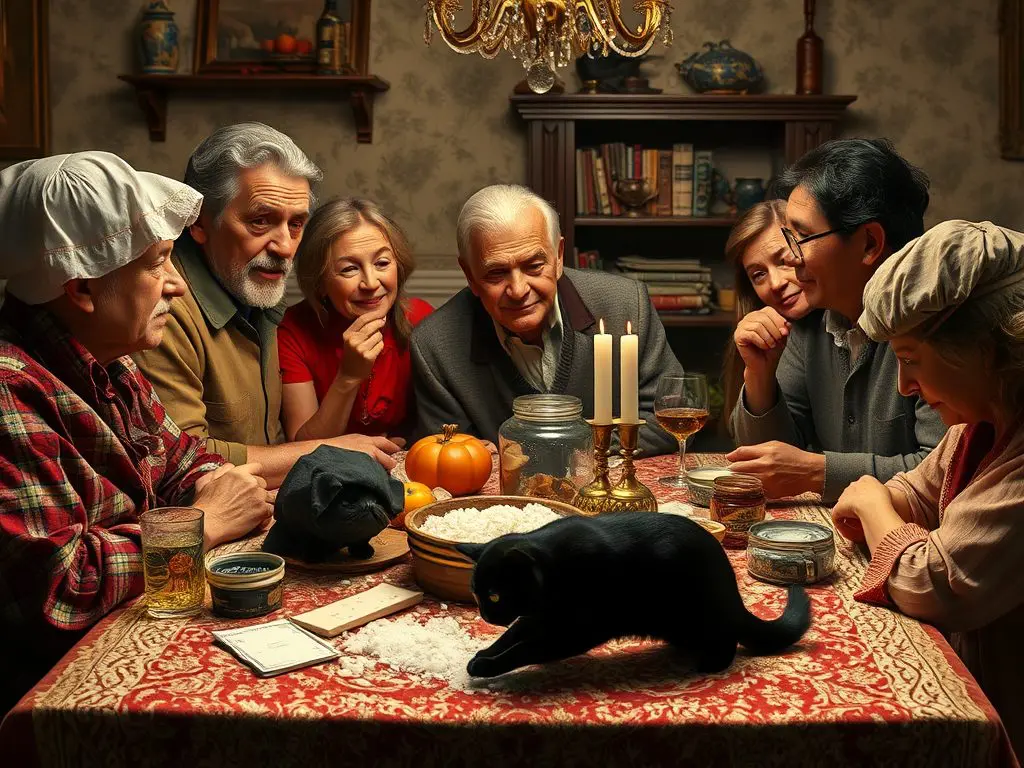
Are you superstitious?
What’s your take on family superstitions? Do you follow any traditional beliefs, or like me, do you take a more skeptical approach? I’ve always been fascinated by Italian family superstitions. Share your thoughts and experiences in the comments below!
A Personal Journey: Italian Folk Beliefs and Modern Psychology
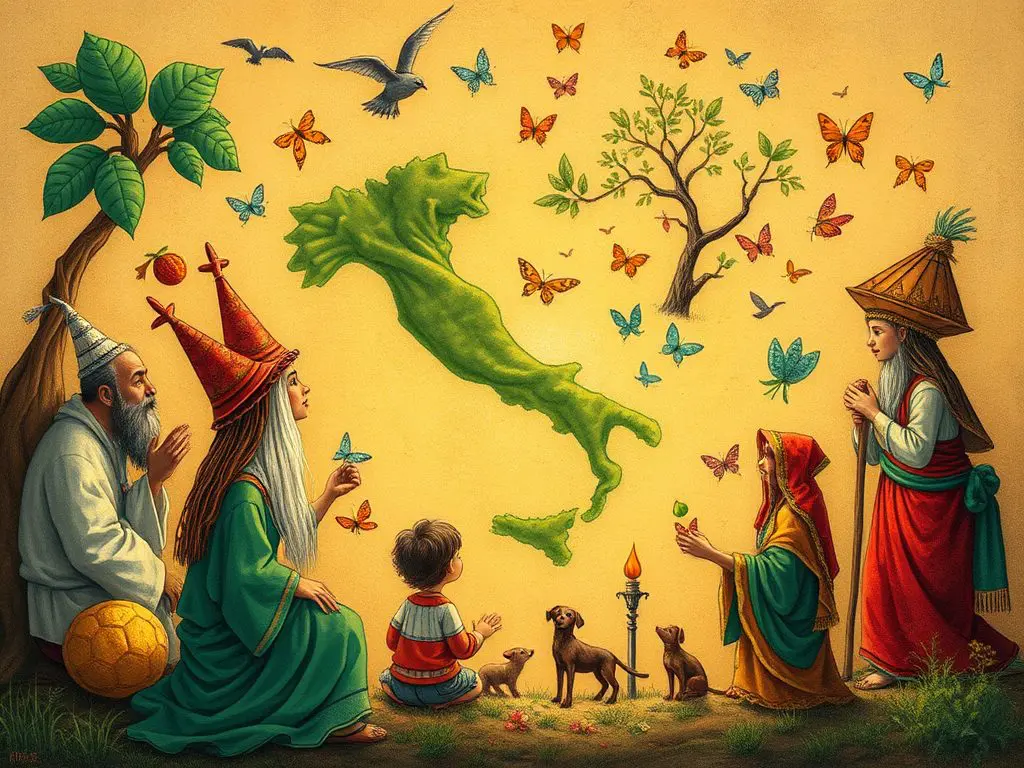
I grew up in an Italian family from the South. I’ve observed firsthand how superstitions weave themselves into the fabric of daily life. I don’t personally subscribe to these beliefs.
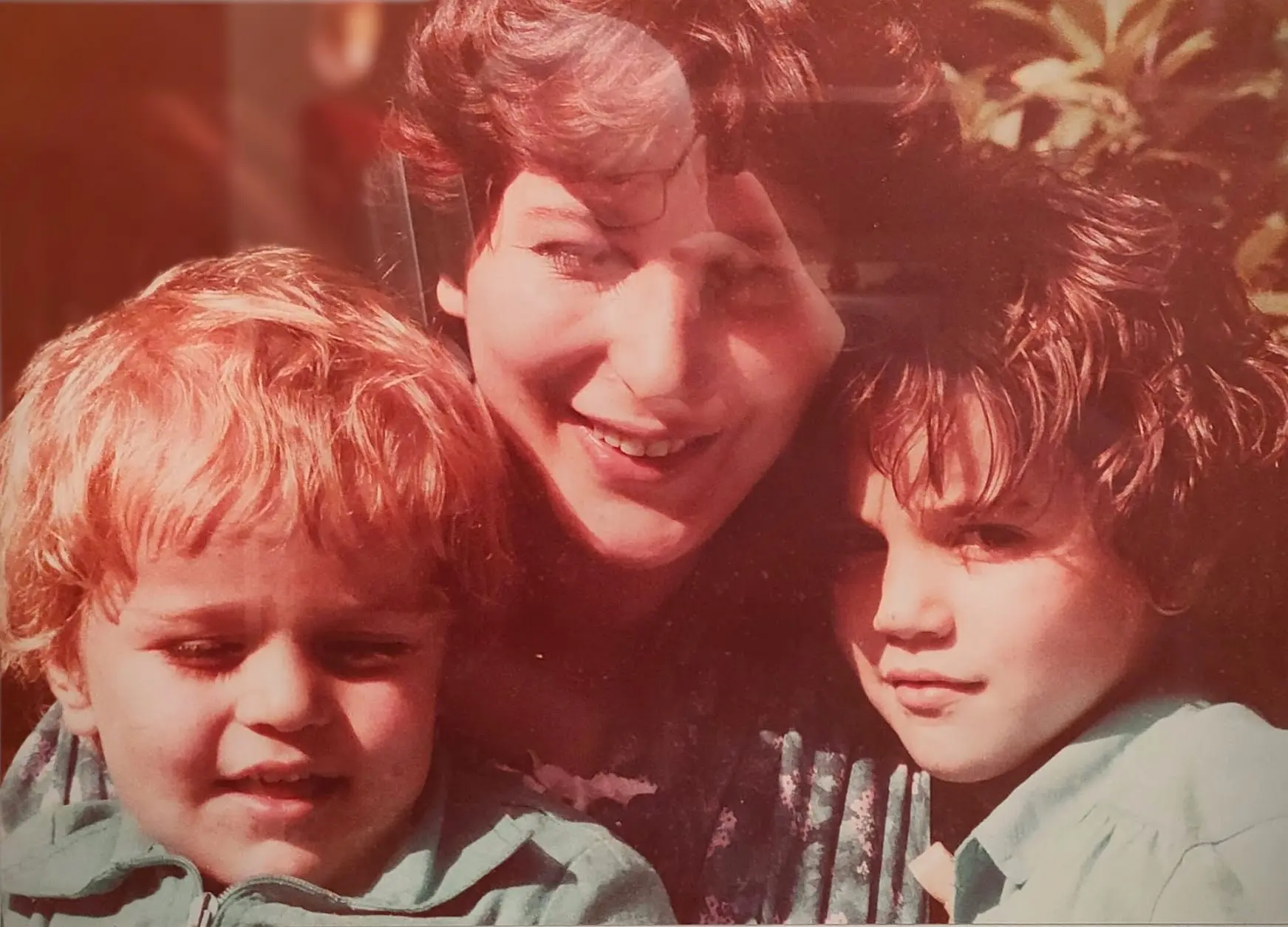
But, my family’s deep-rooted superstitious traditions are fascinating. They offer a window into the persistence of these cultural beliefs across generations. Italian family superstitions significantly influence daily practices and interactions.
Southern Italian Superstitions: A Family Perspective
In Southern Italy, superstitions aren’t just old wives’ tales; they’re an integral aspect of cultural identity. Here are some notable examples from my family, reflective of common Italian family superstitions:
- Friday 17th: The Italian equivalent of Friday 13th, considered an unlucky day.
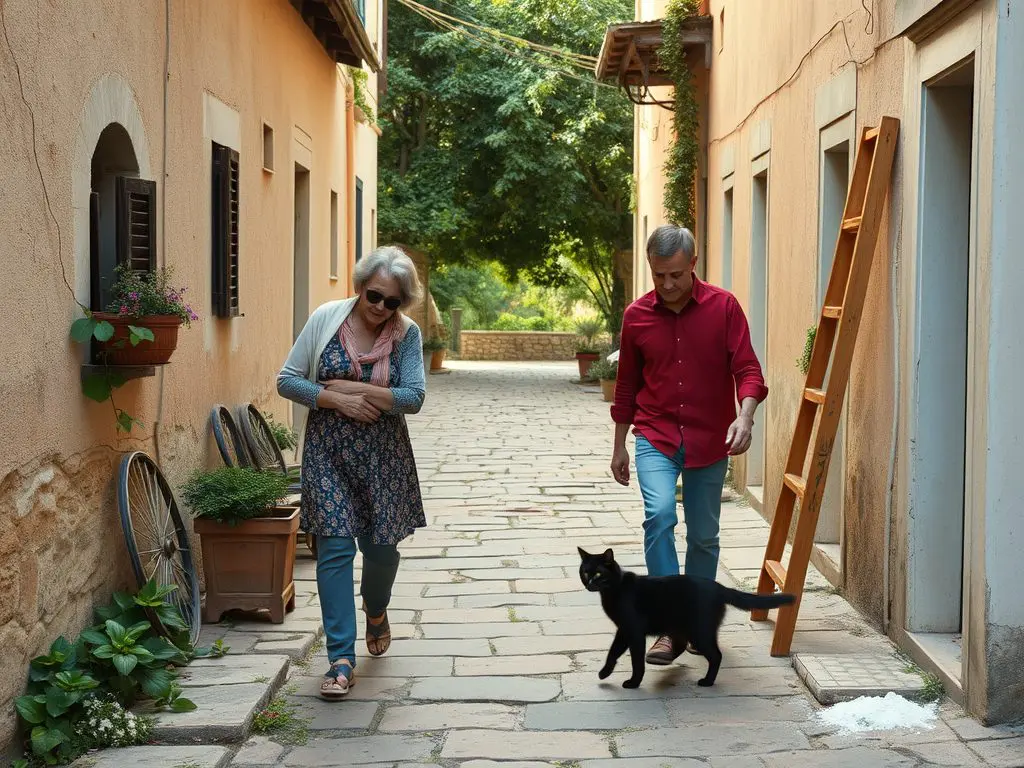
- Black cats crossing your path, which portends bad luck.
- Walking under ladders is believed to invite misfortune.
- Spilling salt is a serious omen of bad luck.
- The peculiar practice involves a unique phrase. People say “in bocca alla balena” (in the mouth of the whale). Others say “in bocca al lupo” (in the mouth of the wolf). This is done instead of saying “good luck” because wishing good luck is thought to bring the opposite!
Southern Italian Superstitions: A Family Perspective
In Southern Italy, superstitions aren’t just old wives’ tales; they’re an integral aspect of cultural identity. Here are some notable examples from my family, reflective of common Italian family superstitions:
- Friday 17th: The Italian equivalent of Friday the 13th, considered an unlucky day.
- Black cats crossing your path, which portends bad luck.
- Walking under ladders is believed to invite misfortune.
- Spilling salt is a serious omen of bad luck.
- A peculiar practice involves a unique phrase. Instead of saying “good luck,” people say “in bocca alla balena” (in the mouth of the whale). Another phrase is “in bocca al lupo” (in the mouth of the wolf). This is because wishing good luck is thought to bring the opposite!
Modern Protection Against “Malocchio” (Evil Eye)
While I personally don’t follow these beliefs, many Italians still find ways to protect themselves from bad luck. Here are some popular protective items:
- The Cornicello (Italian Horn): A traditional protective amulet. Check out authentic Italian cornicello amulets on Amazon.
- Red Coral Jewelry: Traditional protective accessories. Explore handcrafted Italian coral jewelry .

Documenting Family Traditions
Want to preserve your family’s superstitious traditions for future generations? Create beautiful visual stories using InVideo’s AI-powered video maker. Try InVideo free – here.

The Psychology Behind Cultural Superstitions
Research has shown that these beliefs serve several important psychological functions. Italian family superstitions, in particular, illustrate:
- Maintaining cultural identity: Superstitions are a key part of belonging to a community.
- Creating family bonds: Shared beliefs foster connections among family members.
- Providing a sense of control in uncertain situations, alleviating anxiety.
- Connecting generations through the practice of traditional rituals.
Hosting Your Own Italian Cultural Experience
If you’re interested in sharing Italian traditions with others, consider creating a cultural experience through Hostinger’s website builder.

Why Some People Embrace Superstitions While Others Don’t
The contrast between my family’s beliefs and my own skepticism highlights an interesting phenomenon. Even within the same cultural background, individuals can develop differing relationships with superstitious thinking.

This disparity often stems from diverse Italian family superstitions influencing personal experiences:
- Personal experiences that shape perceptions of luck and fate.
- Educational backgrounds influencing critical thinking.
- Exposure to different cultures that challenge traditional beliefs.
- Individual critical thinking patterns that guide personal beliefs.
The Evolution of Superstitions in Modern Society
While traditional superstitions seem at odds with our technology-driven world, they continue to evolve and adapt, including Italian family superstitions:
- Traditional beliefs increasingly blend with modern practices.
- Cultural superstitions serve as conversation starters, bridging gaps between generations.
- Family traditions sustain social bonds.
- Regional variations result in unique cultural identities across Italy.

Finding Balance: Tradition Meets Modern Thinking
My personal journey—growing up in a superstitious family while maintaining a skeptical mindset—demonstrates how we can:
- Respect cultural traditions while thinking critically.
- Appreciate family beliefs without necessarily adopting them.
- Understand the psychological comfort these beliefs give others.
- Bridge the gap between traditional and modern worldviews.
Tips for Navigating Superstitious Family Traditions
- Respect others’ beliefs while maintaining your own perspective.
- Use superstitions as opportunities to learn about cultural history.
- Understand the emotional significance behind these beliefs.
- Find ways to join in traditions without compromising your values.
The Future of Cultural Superstitions
As we advance, these beliefs continue to change:
- Some traditions fade, while others adapt to new contexts.
- New superstitions emerge in response to modern realities.
- Cultural beliefs blend across global communities, enriching cultural dialogues.
- Traditional superstitions find new meanings and relevance in contemporary life.
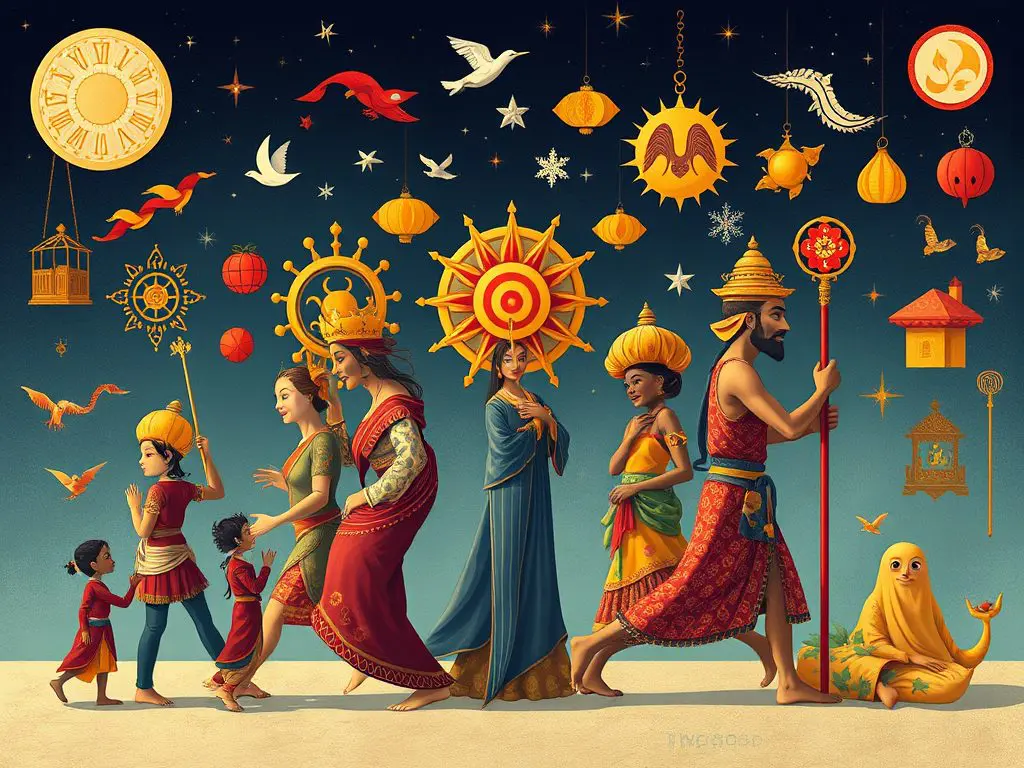
What’s your take on family superstitions? Do you follow any traditional beliefs, or do you take a more skeptical approach? Share your thoughts and experiences in the comments below!
Let’s discuss the fascinating world of superstitions and how they shape our lives.
People Also Read
- Harv Eker Academy Wealth Creation Program: Millionaire Mindset
- Grow Your Business with Gerry Roberts
- “Where Norway Meets Italy: A Family’s Multicultural Traditions
- Unlocking Italian Heritage: Language Learning Through Cultural Connection
- Spanish Culture: A Vibrant Tapestry of Traditions and Modern Life 🇪🇸
This expanded perspective on Italian superstitions not only enriches our understanding. It also invites you to think about your own cultural experiences.






Leave a Reply