

As an affiliate marketer, you quickly learn a key lesson. Not everyone responds the same way to content formats. Some people love reading blog posts, while others prefer video or even audio. The strategy you use to make affiliate links affects engagement.

Go Multi-Media With Audio and Video
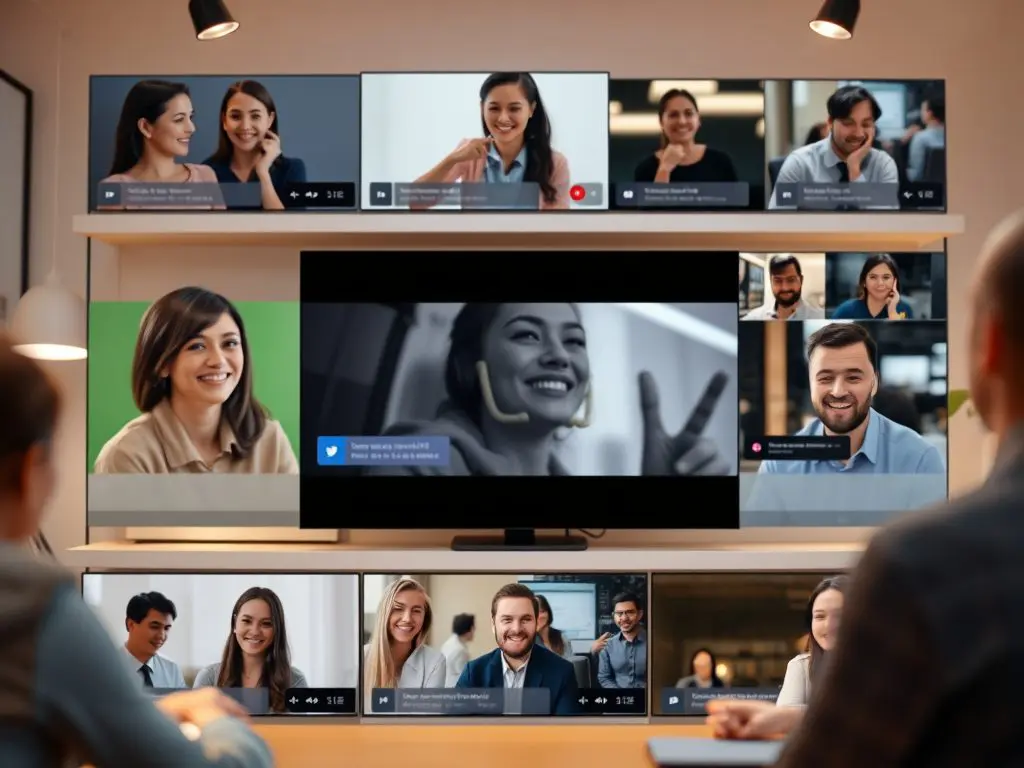
For example, statistics show that video content can increase user engagement by up to 80%. By activating the segment of your audience that prefers video or audio, you provide them with the content they crave. This activation can lead to significantly boosted sales. Affiliate links can be part of that content, especially if you manage to incorporate them. When you make affiliate links, ensure they are naturally integrated into your content.

Types of Video to Make
- Review Video – No matter what type of product you are promoting, you can do a review on it. Using video will enhance the experience. For instance, if you’re reviewing a kitchen gadget, showcasing it in action can significantly affect viewer trust. Sharing personal anecdotes about how a product has influenced your life can also resonate deeply with viewers. Make sure to include affiliate links in your video descriptions.

- Behind-the-scenes Video – Let people get to know you better. Spread brand awareness with a behind-the-scenes look at your day. Show how you come up with ideas. For example, creating a video about your workspace setup can make your audience feel more connected to you. Sharing your creation process for a blog post also fosters trust and loyalty, especially when you make affiliate links into an engaging story.

- Case Study Video – Do you know people who have had success using the products you recommend? For instance, if someone has transformed their cooking skills using a particular course, make a case study video. They can discuss how the course has helped. Ensuring the interviewee shares specific metrics or improvements can give powerful social proof. And as always, make affiliate links a part of your content.

Where to Publish Videos
- Your Website / Blog – Always embed your video on your blog. This is where your content should predominantly be housed. For instance, you can create a dedicated video section on your blog. This can keep users engaged. It also encourages them to explore more of your content. Include your affiliate links in these blog posts.
- Social Media – Tailor your video content for various platforms. For example, use short 15-second snippets on Instagram Stories to draw viewers in. Post full videos on Facebook to engage your audience more. An example of a successful campaign is a product launch video that went viral on TikTok. The video prompted thousands of shares. It also increased sales. Make affiliate links easy to find in your bio or post captions.
- YouTube.com – Now, one of the best places to host your videos is YouTube due to its extensive reach. To enhance your YouTube videos, include relevant keywords in your title, detailed descriptions, and appropriate tags. Consider adopting successful strategies like offering valuable content or entertaining narratives that encourage viewers to subscribe. Of course, never forget to make affiliate links part of your video content strategy.
Creating High-Quality Multimedia Content
- Equipment Recommendations – Invest in a good quality camera, microphone, and lighting. If budget constraints are an issue, consider starting with a smartphone that has a good camera. Additionally, for a limited budget, look into ring lights. Affordable lapel mics can also enhance video quality without breaking the bank.

- Editing Software – Use user-friendly video editing software. Adobe Premiere Pro and Final Cut Pro are excellent for professionals, while iMovie or Filmora are accessible for beginners. For audio editing, Audacity or GarageBand can help guide your content creation efficiently. Consider taking online tutorials offered by these platforms to enhance your skills.

Engagement Metrics and Analytics Tools
To track the performance of your multimedia content, consider using tools like Google Analytics, YouTube Analytics, or social media insights.

Check metrics like watch time, engagement rates, and click-through rates to evaluate audience interaction. Notably, interpreting this data effectively can involve looking for trends over time. You need to make adjustments based on findings. Possible changes include altering content styles or posting times. Always analyze how well your affiliate links are performing.
User Feedback and Testimonials
Integrate user feedback or testimonials into your videos to enhance credibility and encourage engagement. For example, including clips from satisfied customers can offer social proof and motivate potential buyers. Encourage your viewers to leave comments or questions, fostering a community around your content and increasing loyalty. Consider how user feedback can improve the way you make affiliate links.
In Conclusion
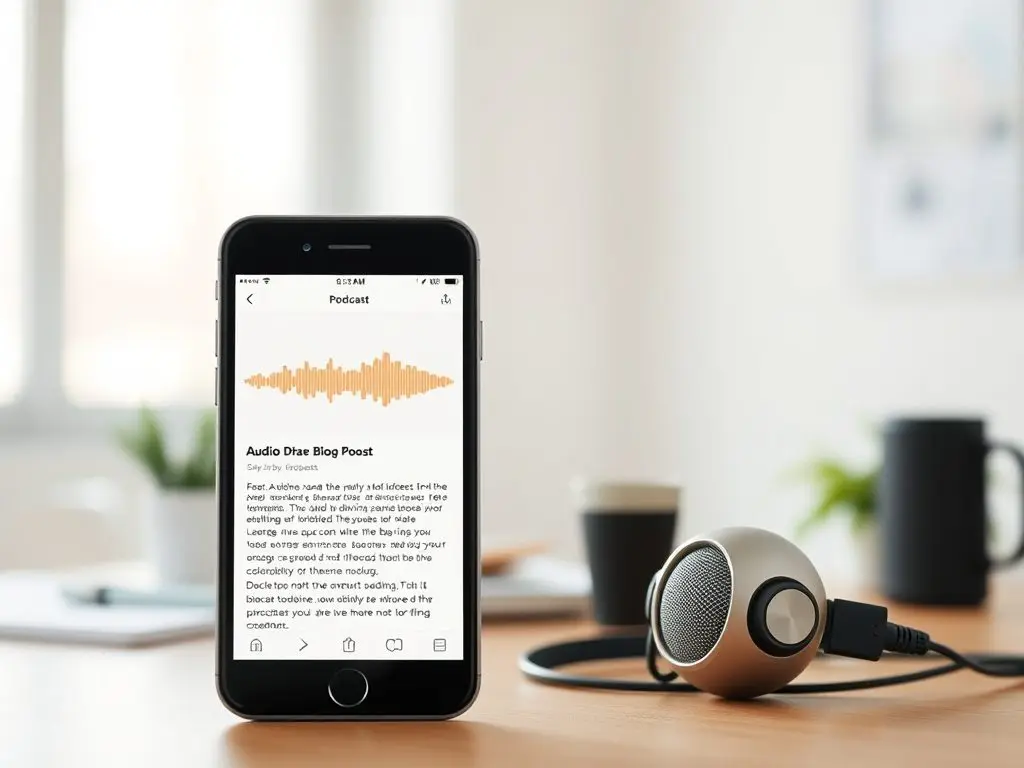
Keep in mind you can do the same thing with audio only. Consider using a system to convert your blog posts into audio versions. This allows people to listen on the go. Turn your videos that don’t need images into a podcast and publish on iTunes, sharing it everywhere. Remember to make affiliate links available in the podcast notes.
When you publish more types of content, you reach a larger audience. Sharing your content in more places brings more eyes and ears to it. Consistency in your content creation and sharing across various formats is key to maintaining engagement with your audience.






Leave a Reply