


Do you need a break? From what?
In today’s fast-paced world, burnout has become increasingly common. According to recent statistics from the American Psychological Association, a staggering 79% of workers experienced burnout in 2023.
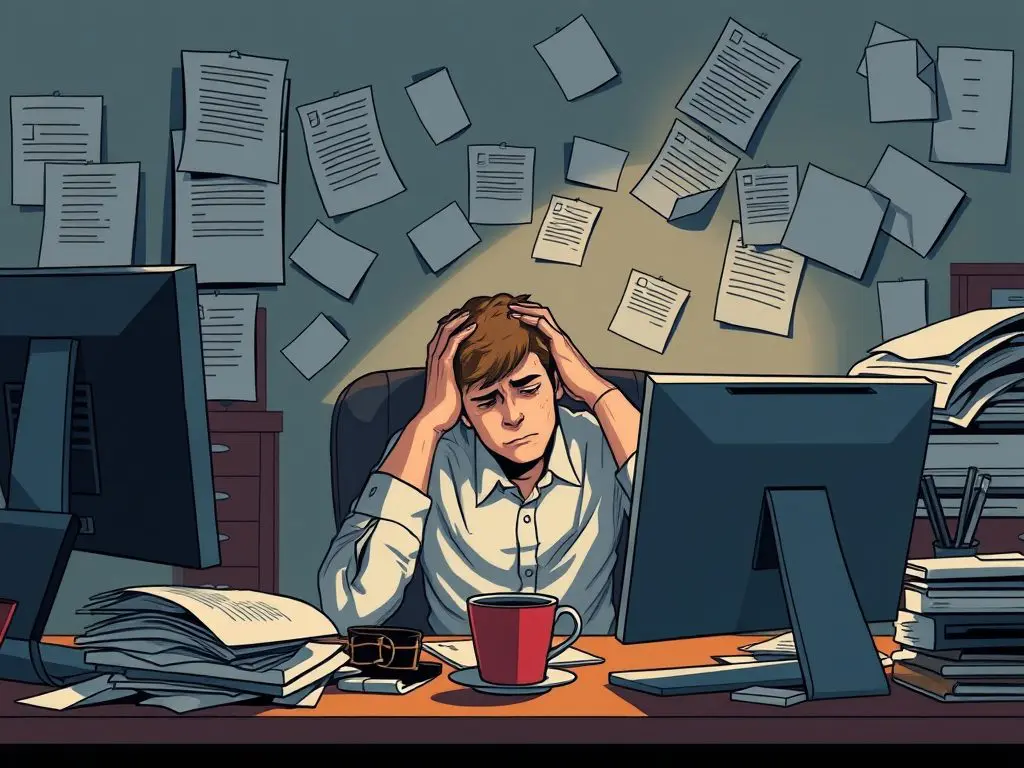
But how do you know when it’s time to step back and take a breather? Sometimes, recognizing the need for a mental health break from work is crucial. Prolonged stress can lead to profound implications.

These include decreased productivity, impaired relationships, and serious health issues. Let’s explore the key signs that show you need a break and understand the importance of addressing burnout.
The Alarming Statistics 📊
Before diving into the signs, let’s look at some eye-opening statistics from 2024:
- 57% of workers report negative impacts from work-related stress (American Institute of Stress)
- 39% of UK professionals feel exhausted (Health and Safety Executive)
- Healthcare costs related to workplace burnout range from $125-190 billion annually (National Institute for Occupational Safety and Health)
- Millennial and Gen Z employees show higher burnout rates, often indicating the need for a mental health break from work.
10 Clear Signs You Need a Mental Health Break from Work Now 🎯
1. Physical Exhaustion is Your New Normal
- Constant fatigue despite adequate sleep
- Frequent headaches or muscle tension
- Changes in appetite or sleep patterns
- Recurring illness or weakened immunity
2. Emotional Warning Signals 🫂
- Increased irritability or short temper
- Feeling emotionally drained
- Lack of motivation or enthusiasm
- Persistent anxiety or racing thoughts can signal the need for a mental health break from work.
3. Work Performance Changes 💼
- Tasks taking longer than usual
- Making uncharacteristic mistakes
- Difficulty concentrating
- Decreased productivity despite longer hours
4. Social Withdrawal 🤝
- Avoiding social interactions
- Canceling plans frequently
- Feeling disconnected from colleagues
- Preferring isolation over company
5. Changed Sleep Patterns 😴
- Insomnia or disrupted sleep
- Difficulty waking up
- Feeling tired even after sleeping
- Racing thoughts preventing rest
6. Loss of Work-Life Balance ⚖️
- Working longer hours
- Struggling to disconnect from work
- Missing important personal events
- Constant checking of work communications
7. Emotional Numbness 💭
- Feeling detached from work and relationships
- Reduced empathy
- Cynicism about work or life
- Lack of satisfaction in achievements
8. Physical Manifestations 🏥
- Unexplained body aches
- Digestive issues
- Tension headaches
- Changes in appetite
9. Mental Fog 🌫️
- Difficulty making decisions
- Problems with memory
- Reduced creativity
- Trouble focusing on tasks shows the need for a mental health break from work.
10. Unhealthy Coping Mechanisms 🚫
- Increased reliance on caffeine
- Changes in eating habits
- Using food, alcohol, or other substances to cope
- Procrastination and avoidance behaviors
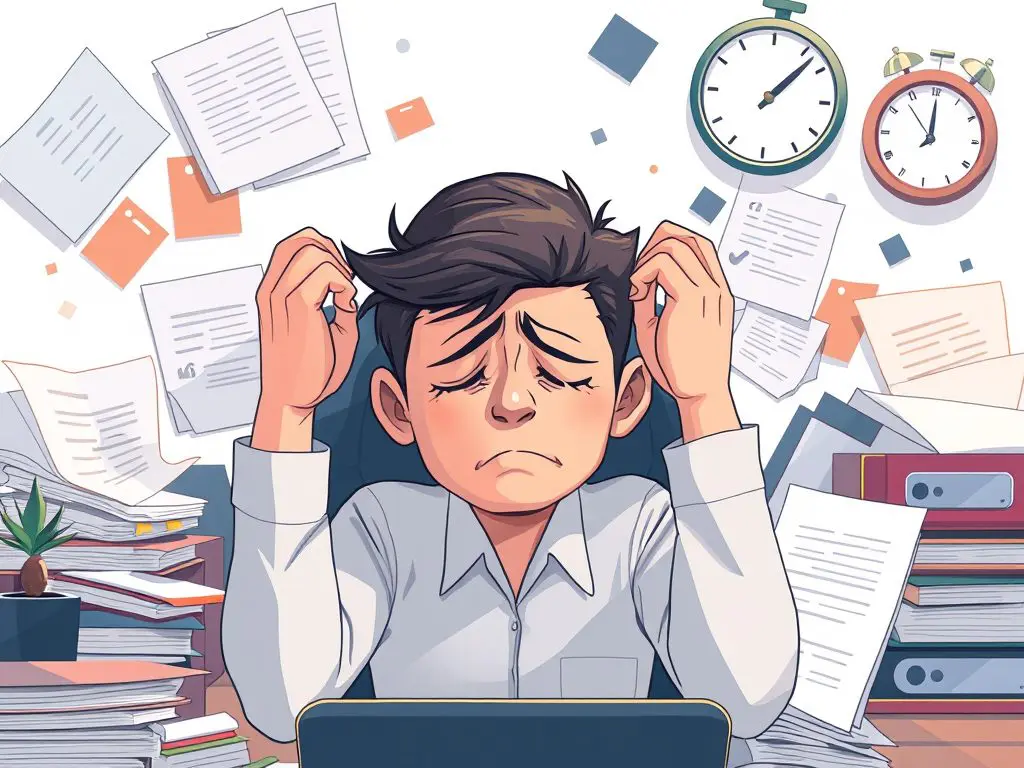
How Long Should Your Mental Health Break from Work Be? ⏰
According to recent research:
- Mild burnout: 2-3 weeks of rest and self-care
- Moderate burnout: Several months of recovery
- Severe burnout: 6+ months with professional support

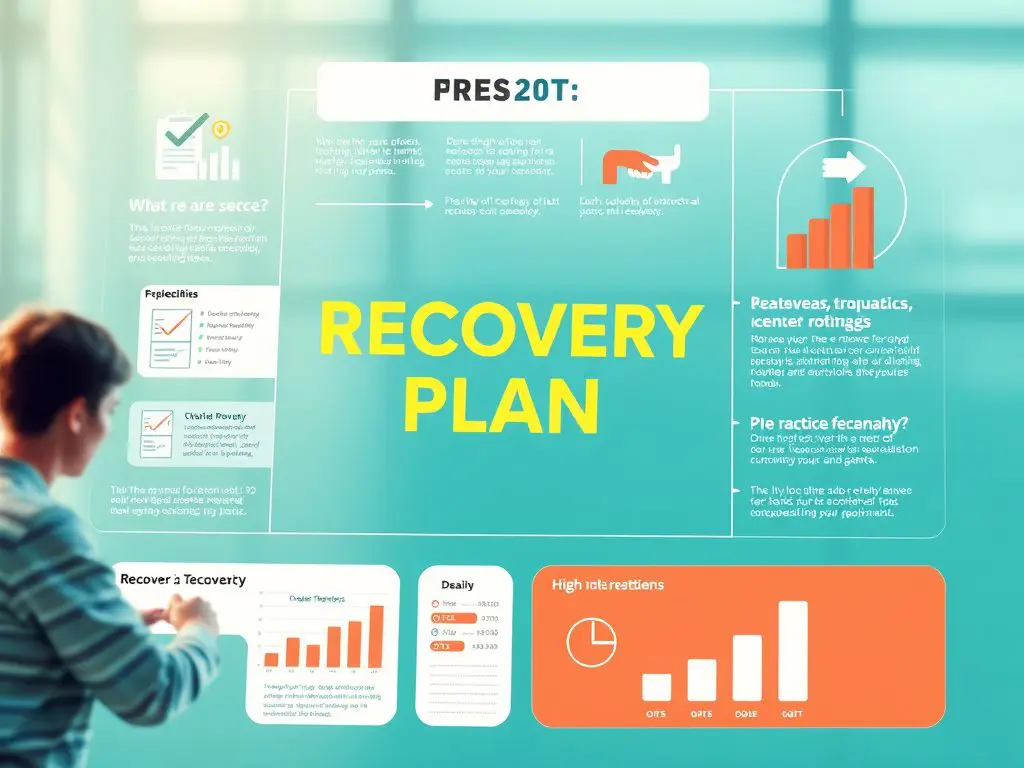
Taking Action: Your Recovery Plan 🌟
- Immediate Steps
- Communicate your needs to supervisors
- Set clear boundaries with work
- Schedule a mental health day to start your mental health break from work.
- Long-term Strategies
- Develop a sustainable work-life balance
- Create a self-care routine
- Consider professional support if needed
For those seeking help, check out resources like Mental Health America or National Alliance on Mental Illness.
The Bottom Line
Taking a mental health break from work isn’t a luxury. It’s a necessity for your mental health and professional longevity. With 62% of employees reporting long working hours causing tiredness, you’re not alone in needing to step back and recharge.

What signs have you been experiencing lately? How long has it been since your last proper break? Share your thoughts in the comments below! 💭
#MentalHealth #WorkLifeBalance #BurnoutPrevention #SelfCare #WellnessAtWork






Leave a Reply