


Lately, the way people handle modern relationships has really switched up. Back in the day, one gender was focused on providing. The other gender took care of the house and kids.

Nowadays, everyone enjoys greater financial freedom, can decide when to start a family, and has a plethora of job choices. This shift has changed modern relationships in both positive and negative ways.
The Impact on Relationships
This greater equality fosters strong relationships where everyone can be themselves. Many men today are much more open about their feelings. They contribute to caregiving.
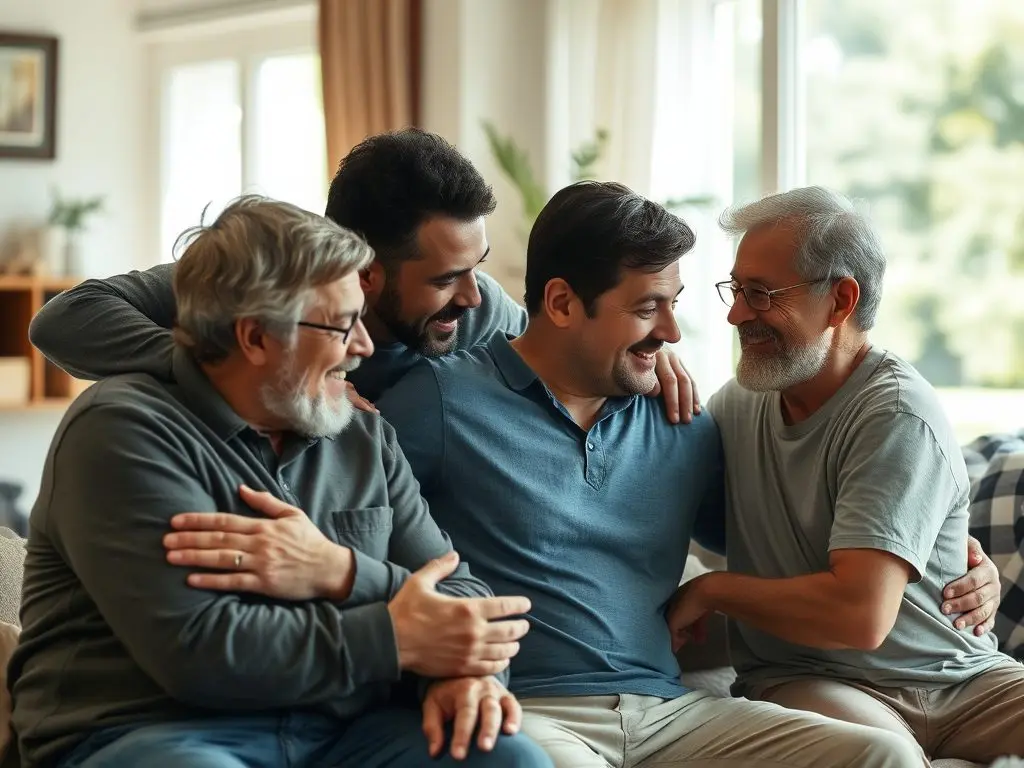
For example, a father might share cooking duties with his partner. He may also take on a more active role in parenting.

Women, on the other hand, can manage finances and pursue careers without the weight of traditional gender pressures.

This shift allows each partner to bring unique skills to the table rather than sticking to outdated stereotypes. Modern relationships benefit from this flexibility.

Studies show that couples who share household responsibilities report higher relationship satisfaction. This practice enhances emotional intimacy (source: Journal of Marriage and Family).

However, this change can also create confusion. Couples may find themselves struggling to define who does what, leading to disagreements over tasks.
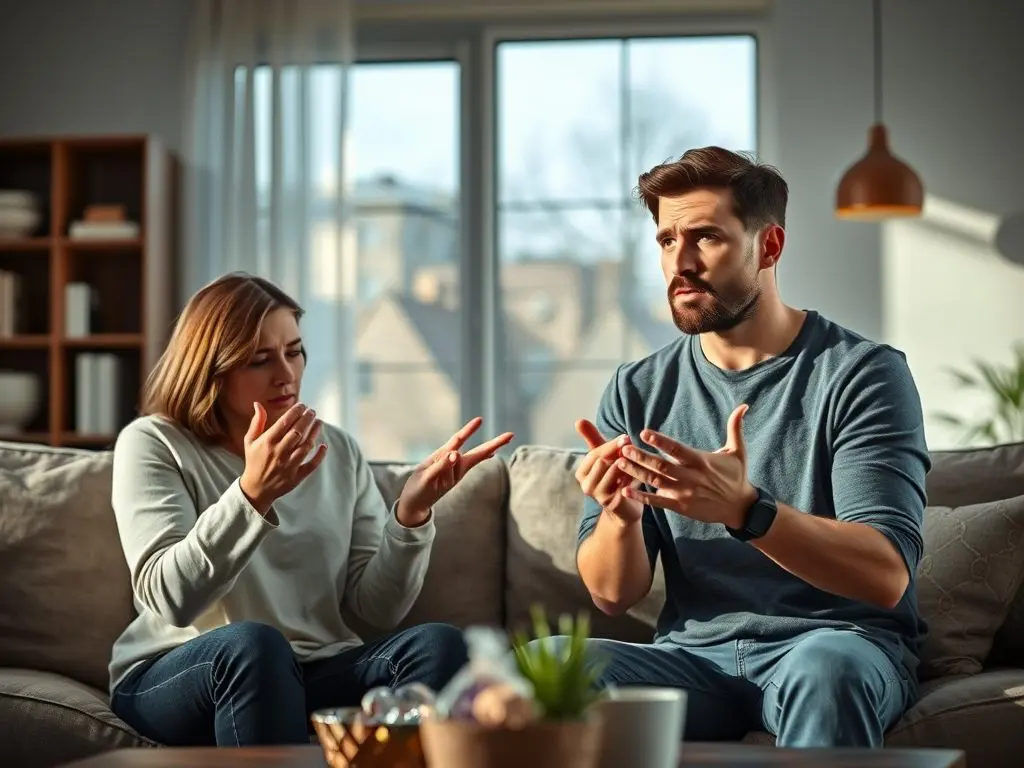
For instance, a couple might argue about household chores. Each partner expects the other to handle specific responsibilities traditionally assigned to their gender.

To navigate this, couples must establish clear roles that work for them. This promotes mutual understanding and respect in their modern relationships.

Personal anecdotes reveal that couples who set aside time to discuss chore distribution experience fewer conflicts and greater satisfaction.
Loneliness and Separations
While the drive for equality has empowered many individuals, it can also lead to feelings of loneliness and increased separations.

Research indicates that around 30% of adults report feeling lonely. This sentiment has grown particularly among younger generations (source: Cigna Loneliness Index).

This loneliness may be exacerbated by shifting gender roles. For example, a young professional might focus on climbing the career ladder, inadvertently neglecting their relationship.

One personal experience shared by a couple illustrates this. They prioritized their individual careers and found themselves disconnected. They resolved to schedule weekly date nights to rekindle their bond.

To combat loneliness, people can engage with friends and tap into community support. Joining local clubs or participating in group activities enhances social connections.

Attending personal development seminars also helps in building relationships. Instead of feeling burdensome, these actions make modern relationships more enriching, as individuals share experiences and support each other’s journeys.
A New Balance?
Finding a harmonious balance in modern relationships can be tricky. While equality is essential, it’s crucial not to compromise stability.

- Couples can benefit from honest conversations about their goals and needs. Regular check-ins to reassess each other’s expectations and emotional requirements are vital.

- Topics such as household chores, finances, and emotional support should be part of this dialogue. This ensures that both partners feel valued and heard.

- Effective communication can transform relationship dynamics, bolstering a couple’s ability to navigate challenges together.

- Participating in couples therapy or attending relationship workshops provides valuable tools. These resources can help both partners better manage conversations and perspectives, strengthening their bond. Couples who invest in such programs often find themselves more equipped to face external pressures.
The Positive and Negative Outcomes
Effective communication can transform relationship dynamics, bolstering a couple’s ability to navigate challenges together.

For example, when a partner acknowledges the other’s contributions to caregiving, it enhances emotional intimacy.

Conversely, growing independence might shift focus solely to individual pursuits, straining the relationship. A couple might face challenges if one partner is solely career-focused while the other desires a more collaborative partnership.

Couples should focus on maintaining a strong bond while still pursuing their individual dreams. This balance is key to thriving modern relationships.

Exploring how these changes affect LGBTQ+ relationships also reveals unique dynamics. Many LGBTQ+ couples navigate distinct challenges and opportunities regarding gender roles and expectations. Open communication remains crucial, as partners adapt to societal pressures that differ from those in heterosexual relationships.
Conclusion
In conclusion, relationships today are continually evolving, bringing forth both challenges and opportunities for growth.

It’s evident that equality in partnerships is vital, but couples must strive to maintain stability and support.

The importance of establishing clear roles, combating loneliness, and maintaining effective communication can’t be overstated.

Couples can construct fulfilling relationships by cheering each other on while pursuing personal goals and attending to individual needs.

A commitment to open dialogue and mutual respect lays the foundation for healthier modern relationships. These relationships withstand the test of time, even as the external world evolves.





Leave a Reply