


Robert Kiyosaki’s “Rich Dad Poor Dad” has become highly influential in personal finance. It challenges traditional views about money and wealth creation.
This review examines the book’s core messages. It discusses their relevance in today’s financial landscape. The review also includes personal insights that connect these lessons to real-world applications.
Quick Summary
- Author: Robert Kiyosaki
- First Published: 1997
- Reading Age: 10 years and up
- Main Theme: Financial education and wealth building
The Main Points
- The rich don’t work for money; money works for them. A viewpoint emphasized in many reviews.
- Focus on acquiring assets, not liabilities.
- Financial literacy is crucial for wealth building.
- Importance of financial intelligence.
- Why traditional education alone isn’t enough.
The Four Quadrants Explained

- Employee (E)
- Self-Employed (S)
- Business Owner (B)
- Investor (I)
Key Lessons & Takeaways
Rule #1: The Poor Work for Money; The Rich Make Money Work for Them
- Understanding assets vs. liabilities.
- The power of financial education, as highlighted in many reviews.
- Tax advantages and legal structures.
- The mindset difference between rich and poor.

Personal Insight
I implemented Kiyosaki’s principles. As a result, I transitioned from a paycheck-to-paycheck mindset. Now, I actively invest in assets, like stocks and real estate. This shift not only improved my financial stability but also provided a sense of empowerment.

Case Studies & Real-Life Examples
- Asset Acquisition: A friend of mine began investing in rental properties after reading “Rich Dad Poor Dad”. Within a few years, he transformed his financial situation. He did this through passive income. This change illustrates Kiyosaki’s concept of making money work for him.
- Financial Education: A local community initiative offered financial literacy workshops based on Kiyosaki’s teachings. Attendees reported significant changes in their financial behaviors, including budgeting and investing.

Controversial Points & Criticism
- Accuracy of Personal Stories
- Simplification of Complex Financial Concepts
- Risk Assessment Considerations
- Real Estate Focus in Different Market Conditions

Modern Application & Relevance
- Digital Age Implications: The rise of online investment platforms makes asset acquisition more accessible than ever.
- Current Market Context: In light of recent economic trends, understanding financial literacy remains essential.
- Modern Investment Opportunities: Cryptocurrencies and peer-to-peer lending are new avenues that align with Kiyosaki’s principles.
- Application in Today’s Economy: As inflation rises and job security fluctuates, Kiyosaki’s lessons on diversified income sources are particularly relevant.

Critical Analysis
Strengths
- Simple, accessible explanations of complex financial concepts.
- Paradigm-shifting perspective on wealth creation.
- Practical emphasis on financial education, often praised in reviews.

Limitations
- Some concepts be oversimplified.
- Specific investment advice needs updating for current markets.
- Risk tolerance discussions are more nuanced.
Conclusion
“Rich Dad Poor Dad” continues to serve as a foundational resource for financial education. Engaging with this book can offer insights into its timeless principles related to wealth creation and financial independence. You can find it in Amazon.
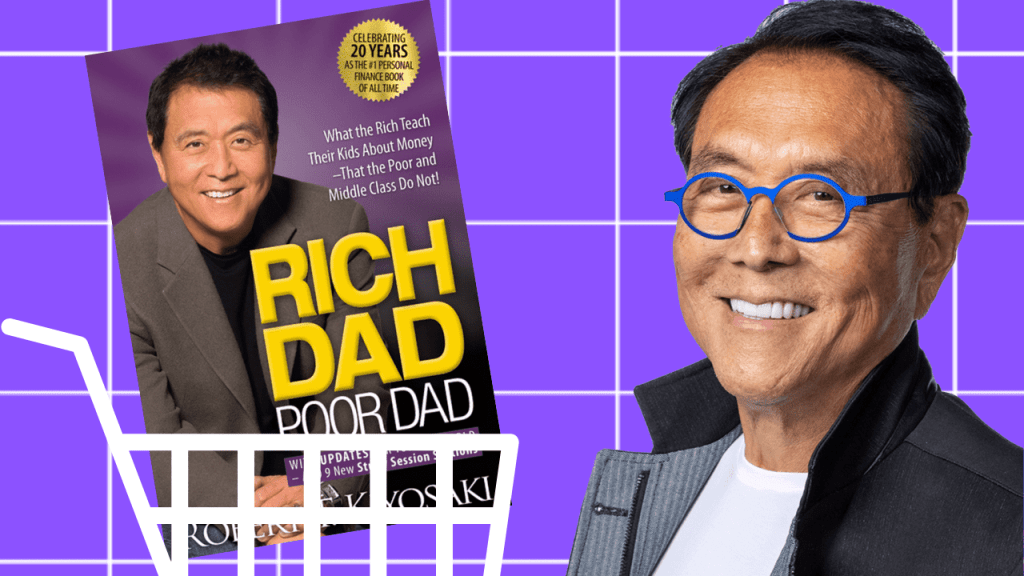
While some tactical advice needs updating, the core message about financial literacy and asset building remains powerful and relevant.
Call-to-Action
What are your thoughts on Kiyosaki’s teachings? Have you applied any of his principles in your financial journey? Join the conversation by sharing your experiences and insights!






Leave a Reply