

Reading Time: 8 minutes
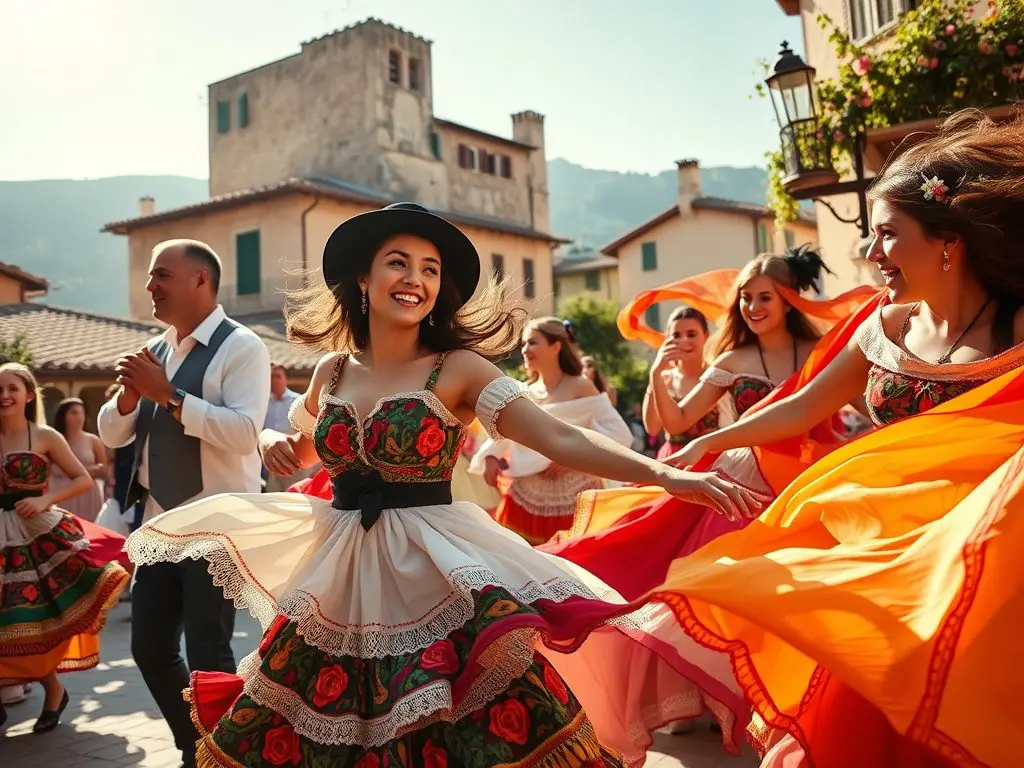
Last Updated: April 3, 2025. In this article, we will explore the beauty of the traditional Italian tarantella. We will also look into its history.
⚡ Quick Takeaways (30-sec read)
- Tarantella remains vital to Italian cultural identity
- Modern artists are reinventing traditional rhythms in the tarantella
- Dance therapy movements embrace tarantella’s healing heritage
🎯 Why This Matters Now
In an era of digital overwhelm, traditional music like the tarantella offers authentic connection to cultural roots. Mental health is becoming a global focus. The tarantella’s historical role in emotional healing finds new relevance in modern wellness practices. Hence, the traditional Italian tarantella is more than just a dance.
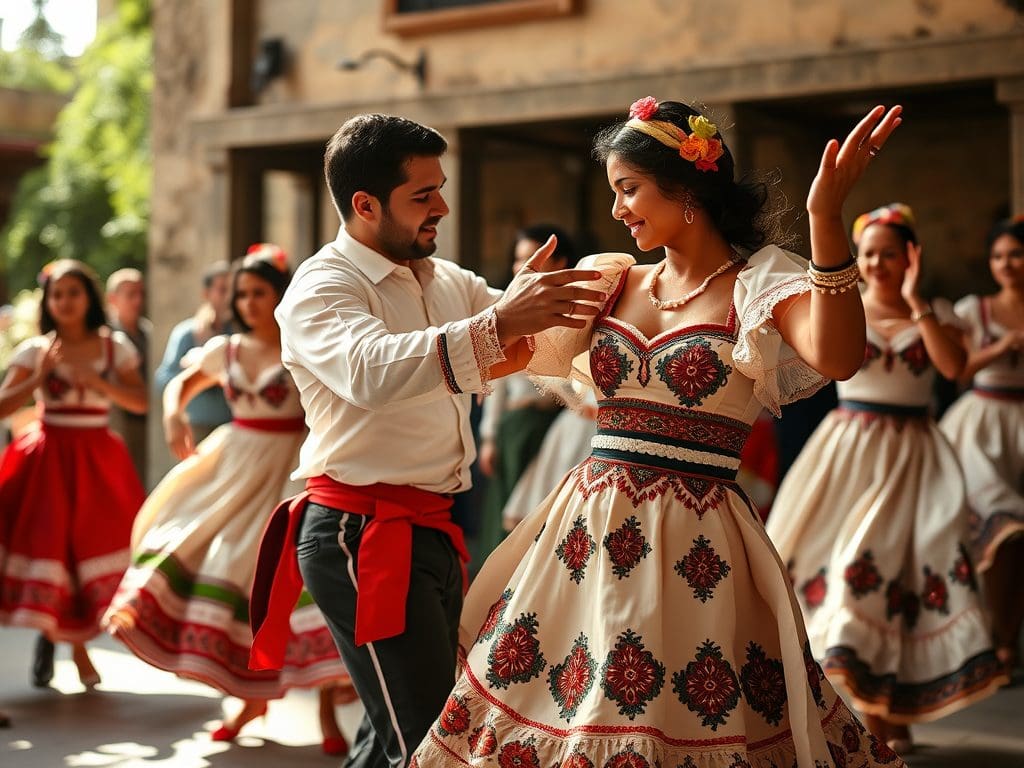
Table of Contents
- Historical Background
- Key Musical Elements of traditional Italian tarantella
- Modern Applications
- Learning Resources
- Next Steps
📚 Historical Background
The tarantella’s story begins in medieval Puglia, where it emerged as both dance and therapy. According to the Smithsonian’s World Music Archive, this therapeutic dance tradition dates back to the 15th century.
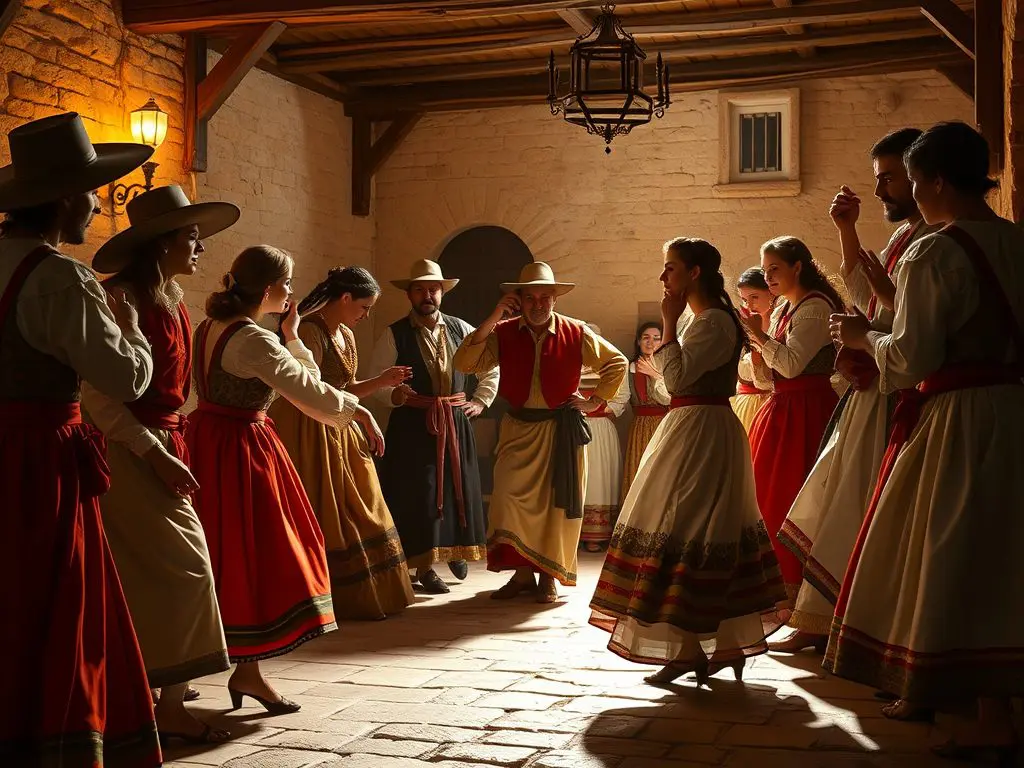
Modern ethnomusicologists at UNESCO’s Intangible Cultural Heritage have documented the tarantella’s evolution… as both dance and therapy. Legend claims it cure the bite of the tarantula spider.
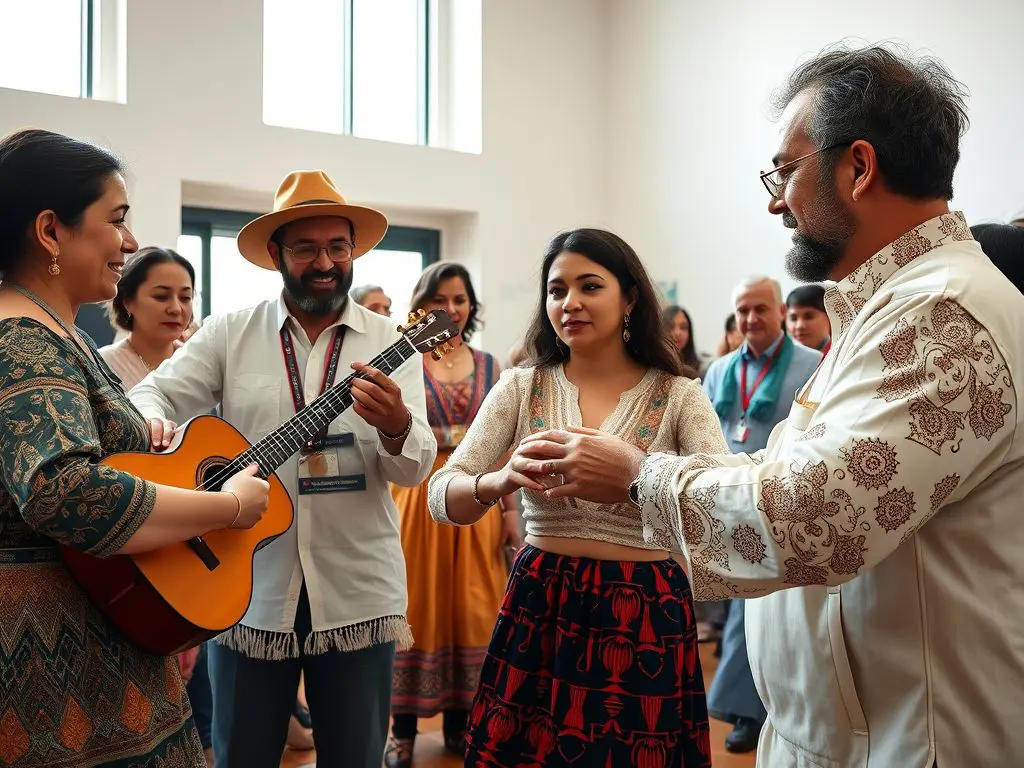
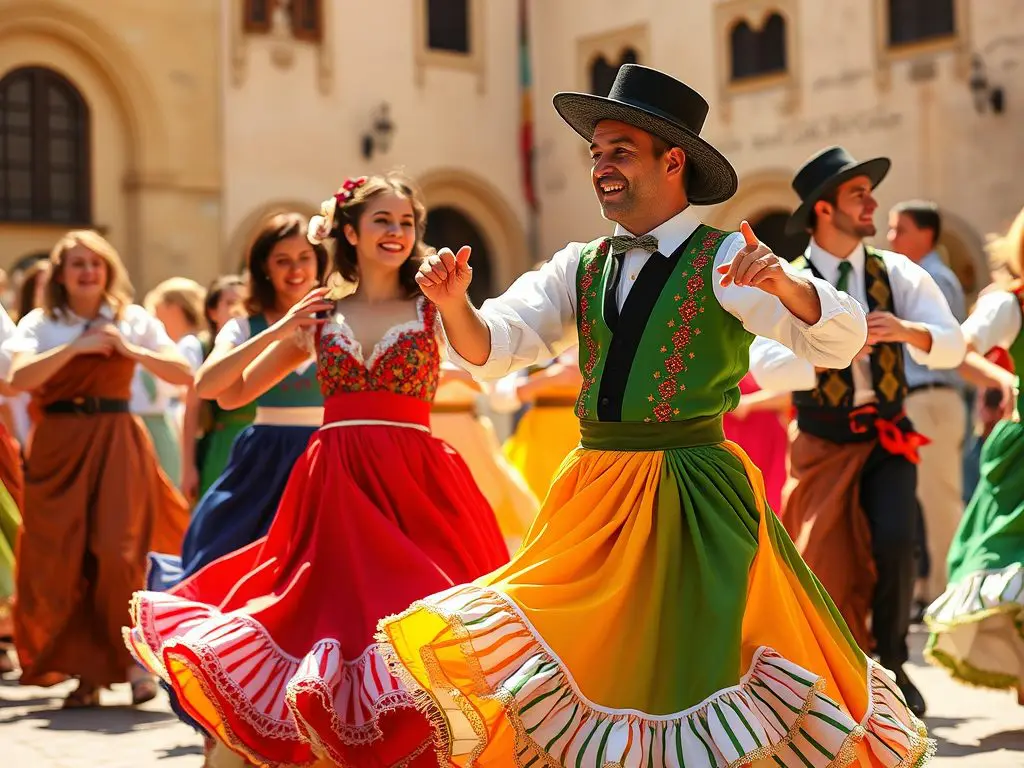
Historians now view this as a metaphor for addressing emotional distress. In southern Italian communities, it served as a vital social binding agent, bringing people together during harvests and celebrations. The traditional Italian tarantella played an essential role in these gatherings.
“Growing up in Sicily, I saw how the tarantella transformed ordinary gatherings into magical moments of connection. This wasn’t just music – it was our emotional language.”
– Personal reflection
🎼 Key Musical Elements
Traditional Instruments:
- Tambourine (tamburello)
- Accordion
- Mandolin
- Frame drum
Distinctive Rhythmic Pattern:
6/8 time signature with emphasized first and fourth beats. This creates the characteristic “bounce.” It makes tarantella instantly recognizable.
🎧 Modern Applications
Contemporary artists breathing new life into tarantella:
- Canzoniere Grecanico Salentino (fusion with electronic elements)
- Ludovico Einaudi (piano interpretations infusing traditional Italian tarantella elements)
- Vinicio Capossela (modern theatrical adaptations)
📱 Learning Resources
- Basic Rhythm Tutorial: Learn the fundamental 6/8 pattern
- Listening Playlist: From traditional to modern interpretations
- Practice Guide: Start with tambourine basics
💡 Pro Tips
- Begin with slower tempos to master the rhythmic foundation
- Practice with hand clapping before moving to instruments
- Record yourself to check rhythm consistency
- Join local Italian cultural centers for live practice of traditional Italian tarantella
⚠️ Common Mistakes to Avoid
- Rushing the tempo
- Overlooking regional variations
- Missing the emotional connection
- Focusing only on technique, not feeling
🎯 Next Steps
- Download our free tarantella rhythm guide
- Explore our “Italian Musical Heritage” course to better understand traditional Italian tarantella
- Join our monthly online jam sessions
FAQ Section
Q: Do I need musical experience to learn tarantella?
A: No, the basic rhythms can be learned through simple clapping exercises. Even beginners can appreciate the traditional Italian tarantella.
Q: Is tarantella only for dancing?
A: While known for dance, it’s also used in meditation and modern therapy. The traditional Italian tarantella has diverse applications.
Q: Can I learn tarantella online?
A: Yes, through our structured video lessons and live virtual workshops.





Leave a Reply