

Do you vote in political elections?
In today’s world, the concept of voting often seems shrouded in confusion and apathy. Many wonder, why don’t people vote in elections despite their importance for democratic participation?
Setting the Stage: A Complex Dilemma 🌍
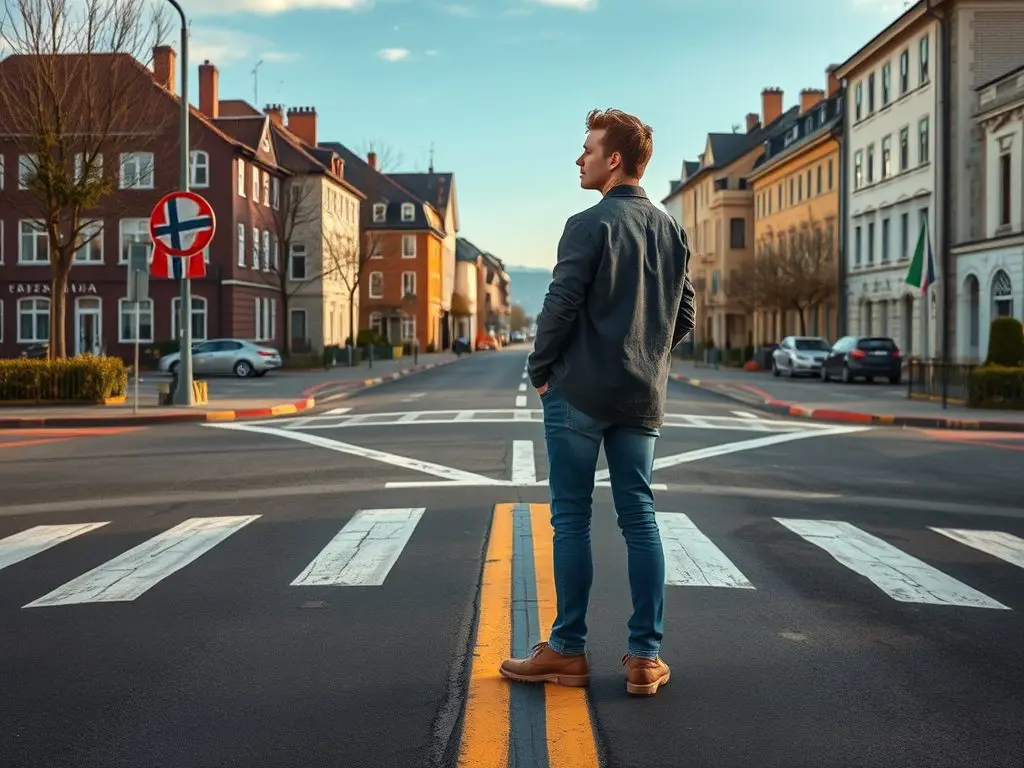
As a permanent resident of Norway holding Italian citizenship, I navigate a unique intersection of rights and responsibilities. This situation complicates my ability to join fully in either country’s political processes.

This situation mirrors the reality many face—distinctly engaged yet fundamentally excluded. In 2025, understanding the reasons behind low voter turnout is imperative as we seek to revitalize our democracies.

This situation mirrors the reality many face—distinctly engaged yet fundamentally excluded. In 2025, understanding the reasons behind low voter turnout is imperative as we seek to revitalize our democracies.
Understanding the Current State of Political Participation 📊
A significant challenge remains: why don’t people vote in elections? Reflecting on the recent statistics from the 2024 European elections highlights the issue:
- Overall EU voter turnout: 51% (the highest since 1994)
- Youth turnout (under 25): Only 36%
- Italy’s participation: Record-high abstention rates
These figures underscore a growing disconnect between citizens and their political systems. They also illuminate the urgent need for transformation.
The Disconnect Between Politicians and People 🔍
To understand the barriers to voting, it’s essential to recognize the evolution of politics itself:
- Traditional politics: Emphasized community-based problem-solving
- Current landscape: The focus is driven by sensationalism and personality. This often comes at the expense of substantive dialogue.
This fundamental shift creates an emotional gap, leading people to feel disconnected, perpetuating the stagnation of civic engagement.
The Superman Syndrome 🦸♂️
This phenomenon, which I dub the “Superman Syndrome,” encapsulates our current political climate:
- Expectation of instant solutions: When citizens engage with the process, they often look for dramatic changes.
- Unrealistic promises: Politicians often pledge transformative reforms without grounding their proposals in community realities.
This balance of expectation and reality can deter individuals from even attempting to cast their votes.
A Call for Real Political Engagement 💡
So, what does genuine political participation entail? It should encompass:
- Active community involvement
- Local problem-solving initiatives
- Direct citizen engagement in decision-making
These elements underscore the importance of grassroots movements. Local environmental initiatives are crucial. Community-led outreach programs can bridge the gap and empower the electorate.

For example, organizations focused on climate action often mobilize communities. They provide platforms where citizens may voice their concerns. Citizens can also collaborate on solutions.
What Change? 🌟
To foster a more engaged citizenry, we must:
- Return to grassroots political movements
- Focus on community-level solutions
- Create platforms for genuine citizen participation
To strengthen this argument, consider studies showing that communities with active local engagement see increased voter turnout. This highlights the direct correlation between participation and electoral involvement.
Join the Conversation! 💬
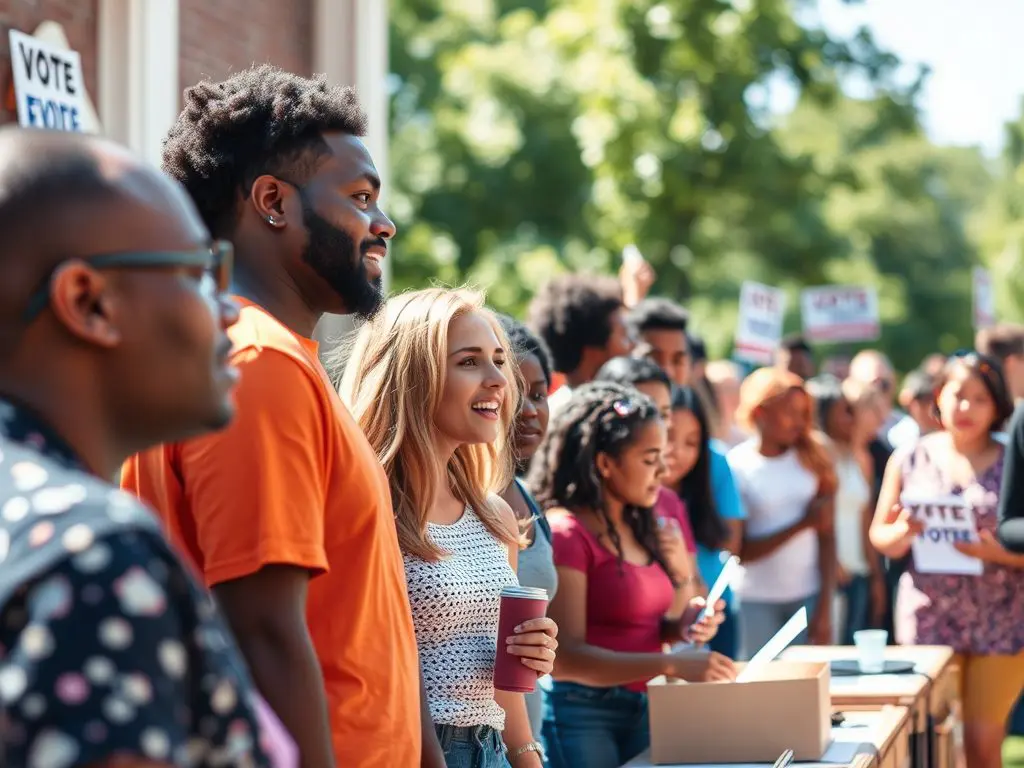
What are your thoughts on modern democracy? Have you experienced similar feelings about political participation? Let’s create a dialogue! Share your opinions and stories in the comments below! 👇
Recommended Resources 📚
If you’re eager to dive deeper into democracy and civic engagement, check out these resources:
- “Political Complexity” course on Udemy
- “Civic Engagement in the Digital Age“ on Udemy

#PoliticalParticipation #Democracy #ModernPolitics #CivicEngagement #ExpatLife





Leave a Reply