


Poverty is a pressing issue in the United States. It impacts millions, even from the middle class. Understanding the situation globally with a global poverty map can provide deeper insights. Many families live near the poverty line.
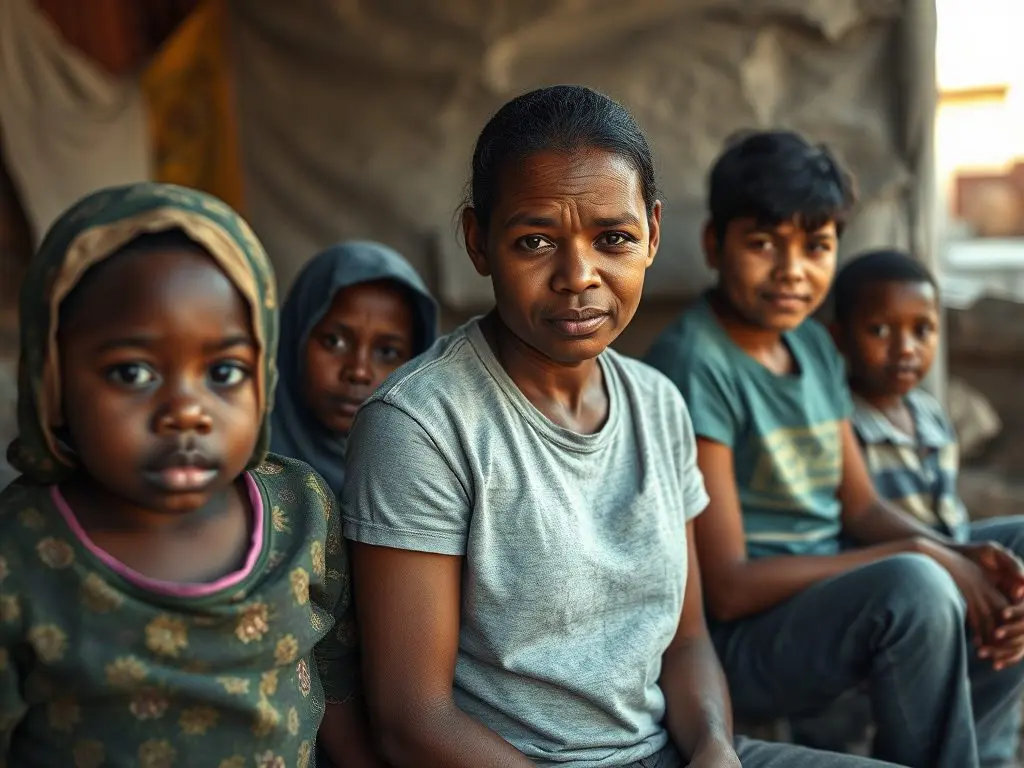
Looking at a global poverty map, the situation in the U.S. mirrors struggles seen worldwide. As of 2022, about 11.6% of the U.S. population lived in poverty, with many more deemed “economically insecure.”
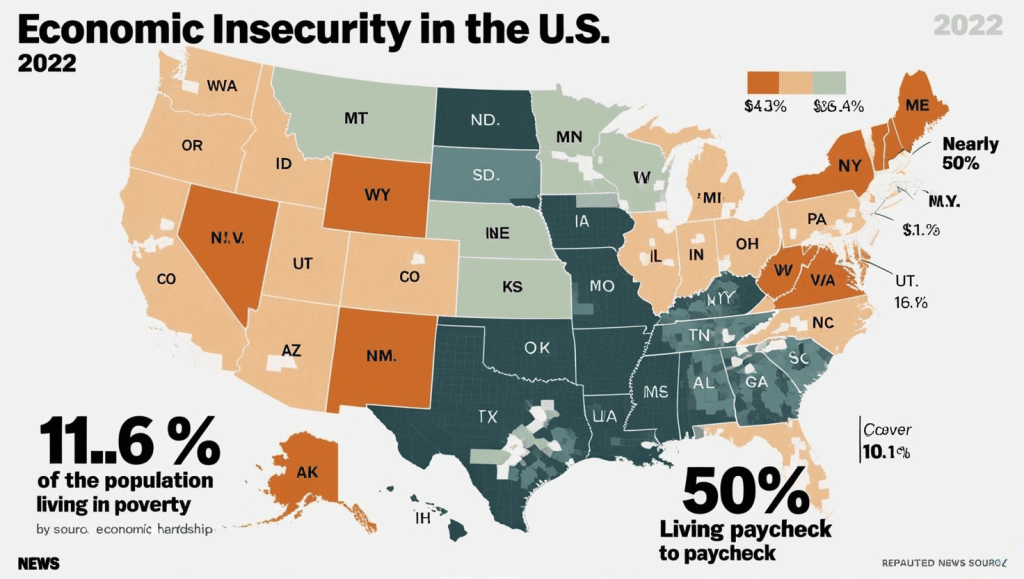
Interestingly, the Economic Policy Institute reports something important. Nearly 50% of Americans live paycheck to paycheck. This statistic showcases the precarious nature of middle-class finances. This highlights the ongoing challenges faced by many, surprising those who see the U.S. as a land of opportunity.
The Squeeze on the Middle Class
The middle class has not been exempt from the adverse effects of economic shifts. Wages have stagnated over the years while the cost of living continues to rise. Data from the Bureau of Labor Statistics shows that real wages have barely kept pace with inflation. This has led to decreased purchasing power.

Families often find themselves sacrificing essentials to make ends meet, leading to difficult choices about education, healthcare, and housing.
For instance, a single mother in Florida works two jobs. She still struggles to afford childcare. She also struggles to provide safe schooling for her children. Conversely, a family in California, though earning a decent income, faces sky-high rent that threatens their financial stability.

For instance, I heard the story of a family in Ohio. They worked multiple jobs. Yet, they still struggled to pay for their children’s school supplies and extracurricular activities. This type of financial strain is not an isolated incident. It reflects a broader trend facing many households.
The Link Between Family Size and Poverty
Increased family size is highly correlated with poverty. Studies have shown that larger families face greater economic challenges, as resources must be stretched across more individuals.
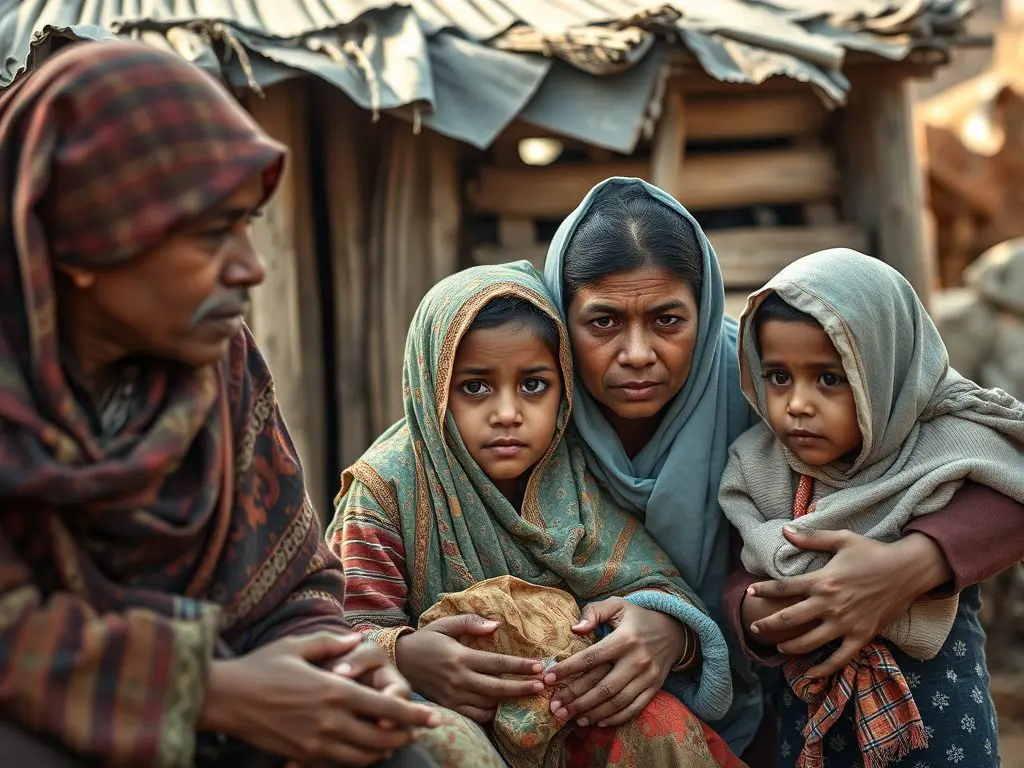
The National Center for Children in Poverty reported an important finding. Families with three or more children are significantly more likely to experience poverty. This is in comparison to smaller families.
Experts agree that support policies for low-income families should consider family size in resource allocation. For instance, Dr. Sarah Johnson is a leading economist specializing in family dynamics.
“Without recognizing the varying needs of different family structures, our policies inadvertently perpetuate cycles of poverty.”
She states
Extra support for larger families can help solve economic disparities that exacerbate poverty.
Conclusion and Further Reading
Poverty in the U.S. requires attention, as middle-class families are impacted. A comprehensive approach is essential. This includes considering economic and social factors. It also involves understanding anecdotes. Studying data and incorporating expert opinions are crucial to navigate the complexities of poverty.
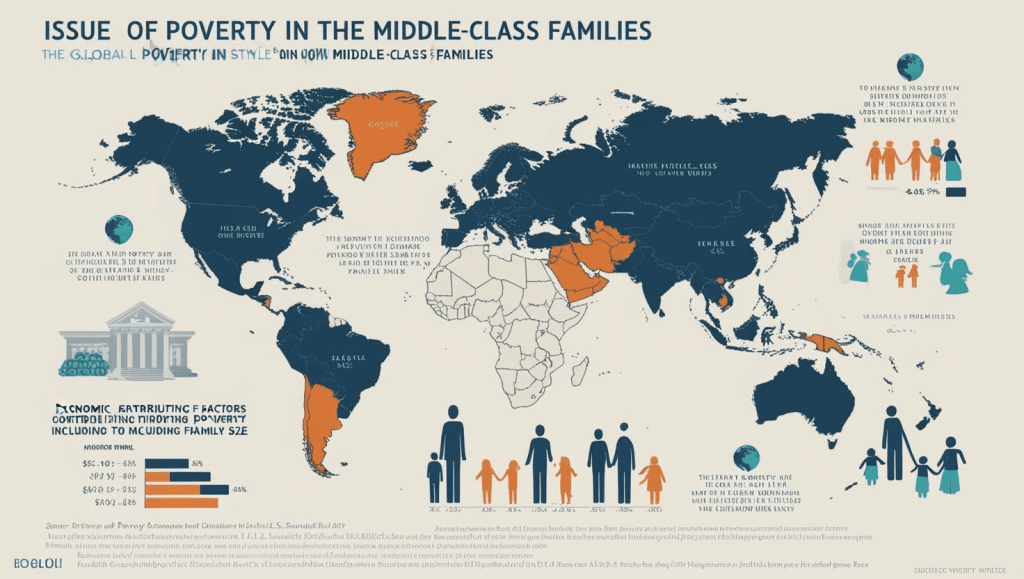
I wrote this about seven years ago. It is still an important message. We have a global poverty problem, but what may surprise some, the US has not escaped the problem. Our middle class has been squeezed. Unfortunately, gravity has caused too many of them to fall beneath the poverty line. Others have fallen just above it. […]
Make a difference



In conclusion, understanding poverty can help us raise awareness. We can promote better policies and support for families in America. As we tackle inequality, it’s important to see how economic stability, family structure, and poverty are connected.






Leave a Reply