


Reading Time: 8 minutes
Last Updated: May 1, 2025. This article explores the rich history and cultural significance of Greek rebetiko music.

⚡ Quick Takeaways (30-sec read)
- Rebetiko emerged from Greece’s urban underground in the 1920s
- Bouzouki became the genre’s defining instrument
- UNESCO recognized Rebetiko as Intangible Cultural Heritage
- Modern artists are revolutionizing the Rebetiko genre globally
- “Rebetiko is the voice of the disenfranchised—a blend of heart and hardship.”
🎯 Why This Matters Now
In an era of cultural homogenization, Rebetiko signifies authentic musical resistance and resilience. Its themes of struggle, love, and survival resonate deeply with contemporary audiences seeking genuine cultural connections.

Table of Contents
- Historical Background
- The Bouzouki Story
- Modern Rebetiko Scene
- Learning Resources
- Next Steps
📚 Historical Background
Rebetiko emerged from the smoky tavernas of Piraeus and Thessaloniki in the early 1920s. After the population exchange between Greece and Turkey, displaced musicians arrived with their Eastern influences. This created a unique fusion that became the voice of Greece’s urban working class.
“Understanding Mediterranean Musical Migrations” on European Institute of the Mediterranean

🎼 Key Musical Elements
The Bouzouki: Soul of Rebetiko
This long-necked lute, central to Rebetiko, evolved from Turkish instruments. Its distinctive sound, somewhere between a mandolin and a guitar, creates the genre’s characteristic melodic lines.
Traditional Instruments:
- Bouzouki
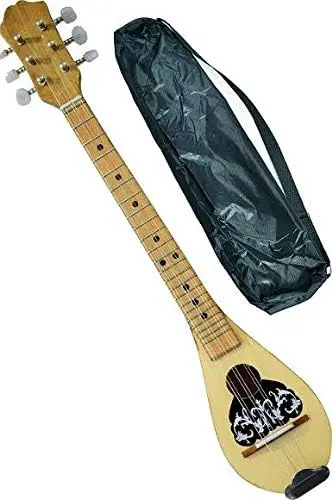
- Baglamas (mini bouzouki)
- Guitar
- Percussion (toumberleki)
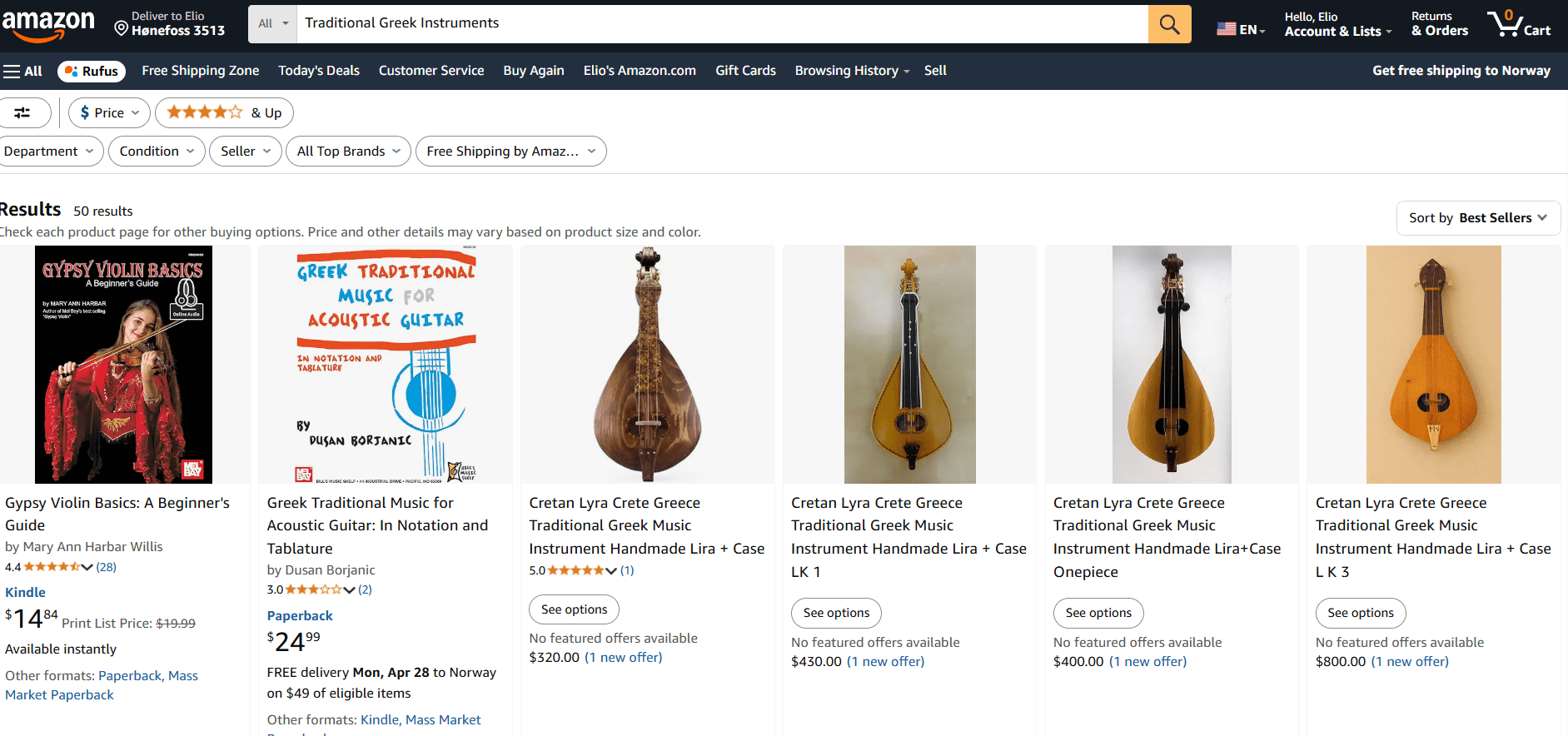
“Traditional Greek Instruments” via trusted partner Amazon
🎧 Modern Applications of Rebetiko
Contemporary artists reimagining Rebetiko:
- Thanasis Papakonstantinou (electronic fusion)
- Marina Satti (modern vocal interpretations)
- Rebetiko Gymnasium (traditional preservation)
“Modern Mediterranean Music Course” on Udemy

- Audio Clips: Experience the evolution of Rebetiko through the next samples:
📱 Learning Resources
- Basic Bouzouki Tutorial: Learn traditional “dromos” (modes)
- Listening Guide: Essential Rebetiko recordings, including artists like Markos Vamvakaris and Rita del Prato
- Practice Tracks: Basic rhythmic patterns
“Mediterranean Music Tours 2025” – curated cultural experiences

💡 Pro Tips
- Start with simpler 9/8 rhythms
- Learn basic bouzouki tuning first
- Study historical recordings
- Join local Greek music communities for Rebetiko enthusiasts
⚠️ Common Mistakes to Avoid
- Overlooking regional styles of Rebetiko
- Rushing complex rhythms
- Missing historical context in Rebetiko
- Ignoring proper instrument care
🎯 Next Steps
- Download our free Rebetiko rhythm guide
- Explore our “Greek Musical Heritage” course
- Join our monthly Mediterranean music sessions
FAQ Section
Q: Do I need to know Greek to appreciate Rebetiko?
A: No, the emotional depth of Rebetiko transcends language barriers.
Q: Can I learn Rebetiko on guitar first?
A: Yes, many modern practitioners start with guitar, which adapts well to Rebetiko melodies.
Q: Where can I find authentic Rebetiko performances?
A: Check our curated list of traditional venues and festivals showcasing Rebetiko music.
Q: Are there misconceptions about Rebetiko?
A: Yes, many believe Rebetiko is only for specific audiences, but its themes resonate universally.
Outbound Links:
- UNESCO Intangible Cultural Heritage – Rebetiko
- Hellenic Music Research Lab
- Greek Traditional Music Archive
Affiliate Partners:
- Traditional Instrument Sellers:
- Cultural Tour Operators:









Leave a Reply