

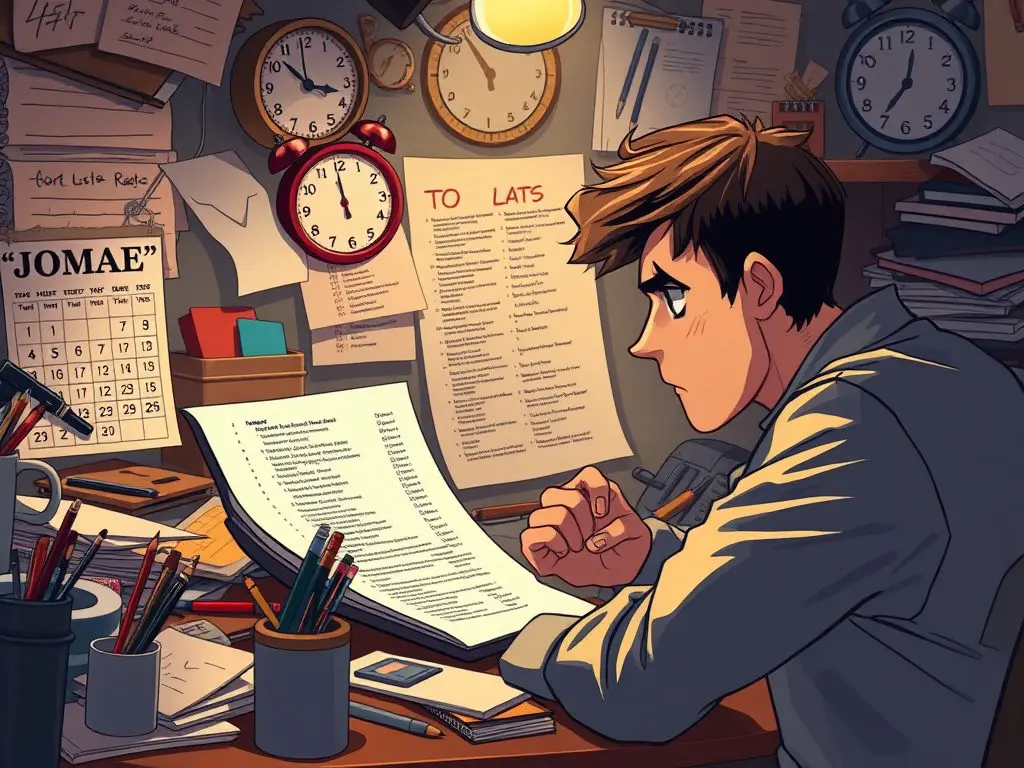
Something on your “to-do list” that never gets done.
We’ve all been there. We stare at that one task on our “never ending to-do list”. It keeps getting pushed to tomorrow, next week, or next month. For instance, I can recall putting off scheduling a long-overdue dental check-up. It’s a common struggle, and you’re not alone.

Something on Your “Never Ending To-Do List” That Never Gets Done
Research shows that 41% of tasks on people’s to-do lists stay eternally unfinished. This contributes to the overwhelming feeling of having a seemingly never-ending to-do list. Let’s dive into why some items become permanent residents on our lists and what we can do about it.
The Psychology Behind Perpetual Postponement 🧠
According to recent statistics:
- 99% of Americans admit to procrastinating on tasks.
- 88% of the workforce procrastinates at least one hour daily.
- 20% of adults are chronic procrastinators.
- Social media is blamed by 40% of people for their procrastination habits.
These statistics indicate that procrastination is not just a personal flaw but a widespread issue affecting many.

Most Commonly Procrastinated Tasks 📝
Research reveals these top items that never seem to get crossed off, grouped by category for clarity:
Household/Personal Tasks
- Household chores
- Medical appointments
- Exercise routines
Professional Development
- Personal development goals
- Administrative tasks
- Long-term projects
Financial and Family Matters
- Financial planning
- Family communications

Why These Tasks Stay Stuck 🤔
The main reasons certain tasks stay perpetually undone include:
- Fear of imperfection
- Overwhelming complexity
- Lack of immediate rewards
- Emotional resistance
- No clear deadlines
- Low priority but high mental burden

Breaking the Cycle: Action Steps 💪
Here’s how to finally tackle those stubborn items on your “never ending to-do list”:
- Start Small: Break down large tasks into 5-minute actions.
- Set Deadlines: Create artificial due dates for open-ended tasks.
- Use the 2-Minute Rule: If it takes less than 2 minutes, do it now.
- Schedule It: Put it on your calendar instead of your to-do list.
- Reward Progress: Celebrate small wins to build momentum.
By taking these steps, you can slowly regain control over your tasks and diminish that feeling of a never-ending list.
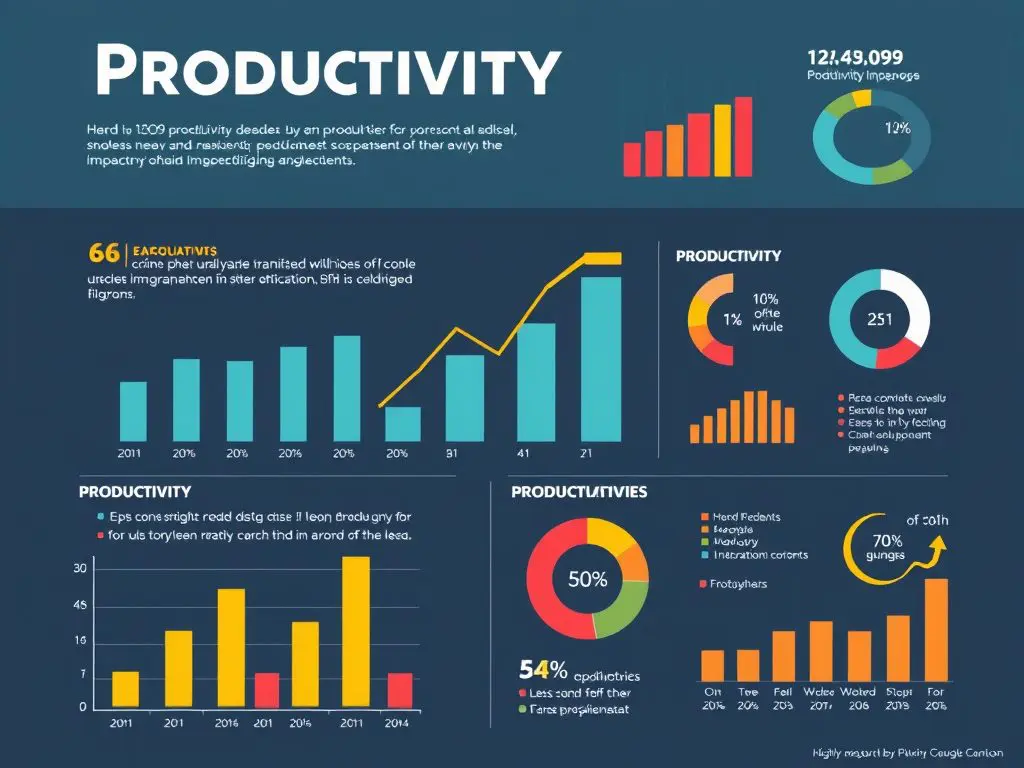
The Impact on Productivity 📊
Studies show that unfinished tasks create mental clutter that can:
- Reduce productivity by up to 20%
- Increase stress levels significantly
- Affect sleep quality
- Lower overall life satisfaction
Counteracting the Negative Effects
Taking action on your tasks can help clear this mental clutter. This ultimately leads to an increase in productivity and a decrease in stress. Implementing effective strategies can mitigate the anxiety linked to your to-do list.

Moving Ahead 🎯
Remember: A to-do list should be a tool, not a source of guilt. Focus on progress. It can be more effective than seeking perfection. Consider that sometimes, removing a task entirely is better than letting it linger indefinitely.
What’s that one task on your never ending to-do list that’s been there forever? Or what strategies have you found helpful in overcoming procrastination? Share in the comments below—sometimes acknowledging it is the first step to finally getting it done!
Want more productivity tips? Check out our guide on effective time management strategies!






Leave a Reply