


Schools today are facing a serious problem: an increase in student-on-student violence. While the nature of this violence has evolved, the consequences remain devastating for students, teachers, and the entire community. School violence prevention needs to be a priority to address these issues effectively.

The Problem
Traditionally, schools have relied on punitive measures like suspension, detention, or isolation to handle disruptive behavior. Nonetheless, research shows these approaches are ineffective and can even be harmful. These practices create feelings of isolation and resentment. They fail to teach students how to manage their emotions. They also do not show how to resolve conflicts peacefully.
Let’s Focus on Solutions!
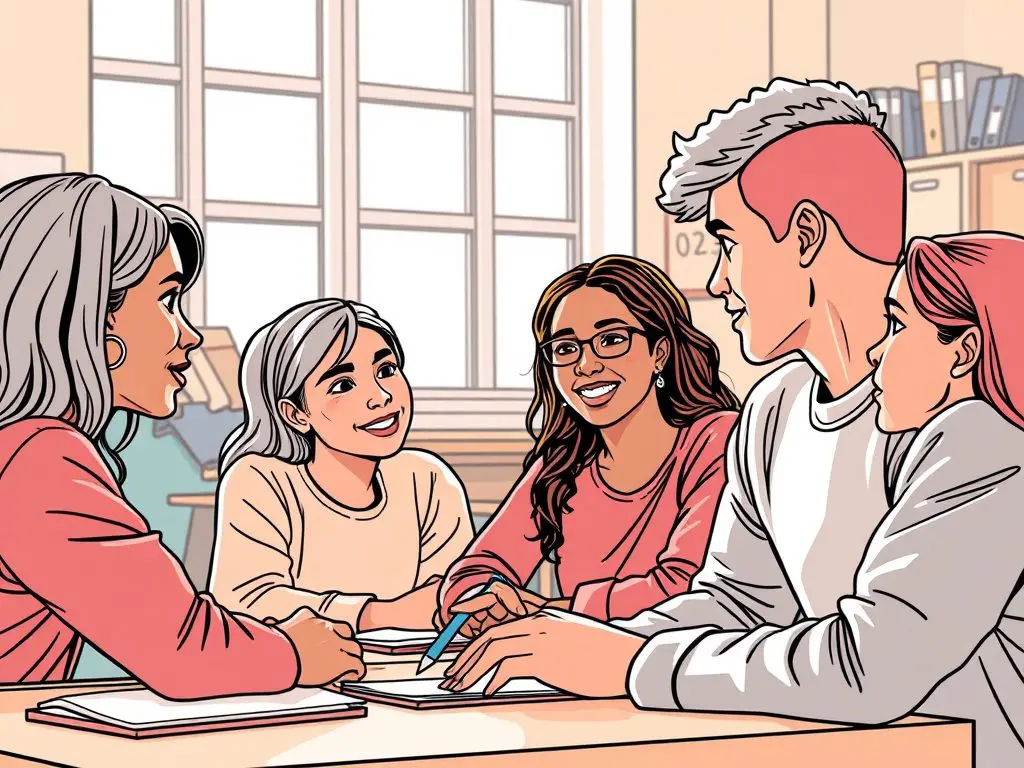
It’s time for a new approach. We need to shift our focus to rehabilitation and school violence prevention. Schools should be places where kids feel safe, supported, and learn how to manage their emotions. This means investing in programs that teach anger management, conflict resolution, and social skills.

Conflict Resolution Strategies:
- Mediation and negotiation: Teaching students mediation and negotiation skills helps resolve disputes peacefully, a key element of school violence prevention. Schools can implement these strategies by providing workshops led by trained professionals and integrating these concepts into the curriculum. For example, a school in California introduced a mediation program. This program trained students as peer mediators. The school saw a 30% reduction in conflicts.
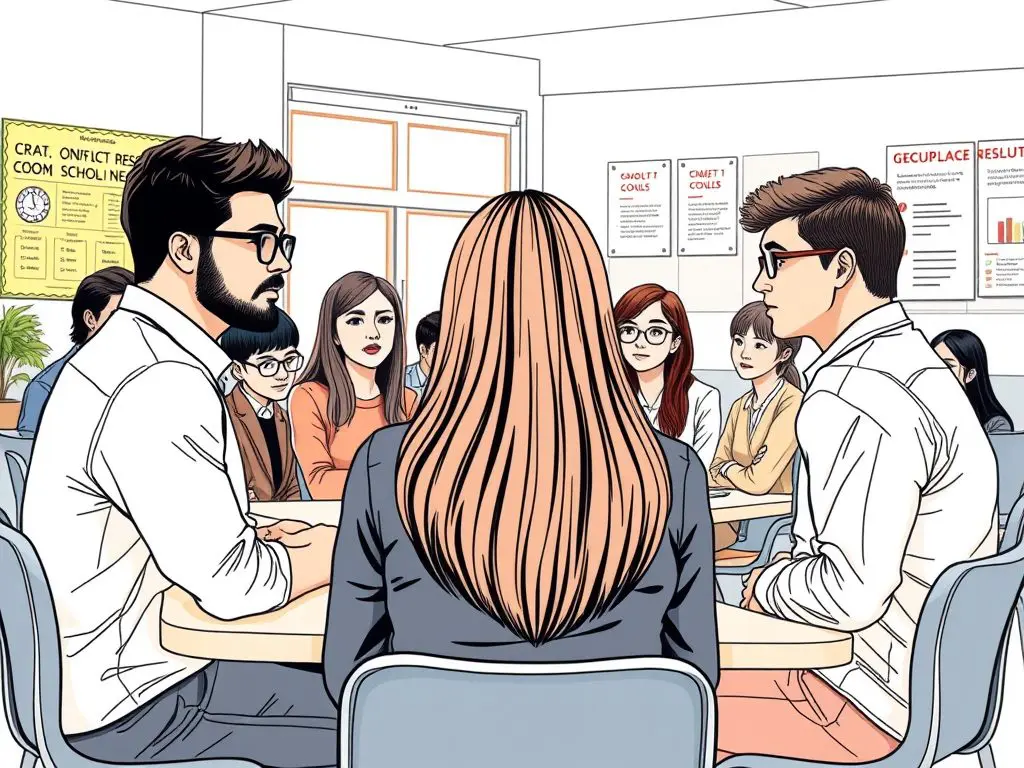
- Peer mediation programs: Training students to mediate conflicts among their peers fosters a sense of responsibility and leadership. Case studies from various schools show a successful reduction in aggressive incidents. Students often feel more comfortable discussing issues with their peers.
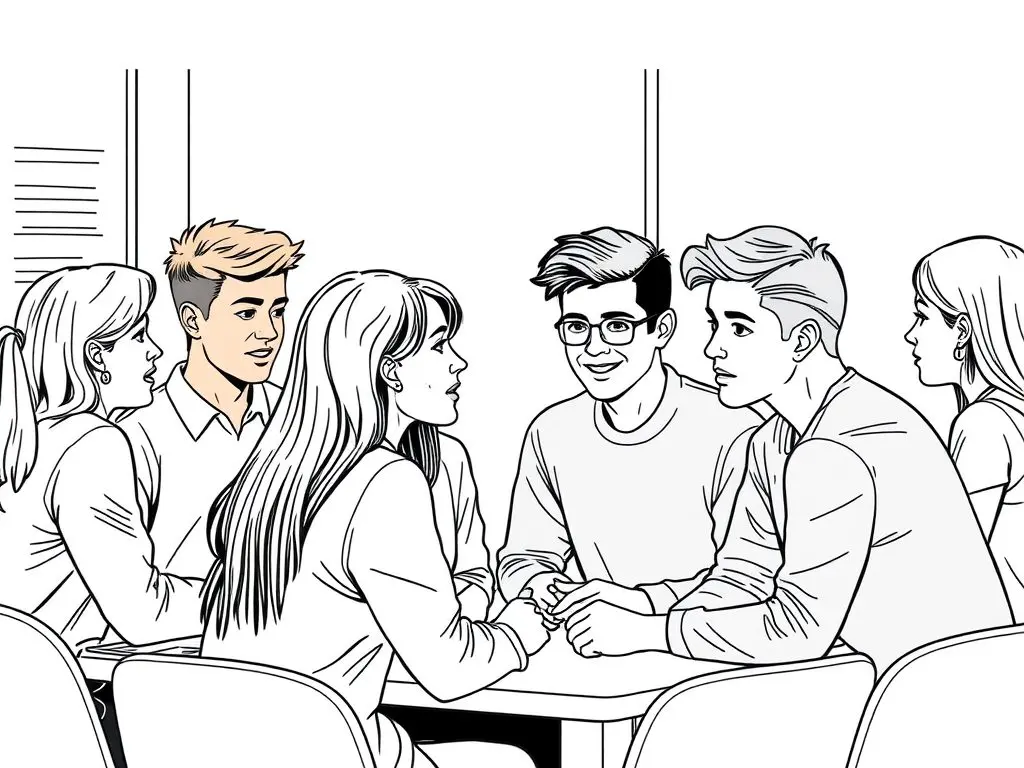
- Restorative justice practices: These approaches focus on repairing harm caused by conflict. They allow affected parties to address their concerns in a constructive manner. Schools that have adopted restorative justice have seen reduced recidivism in behavioral issues. For example, a middle school in New York documented a 50% drop in disciplinary referrals after implementing restorative practices.
Care Management:
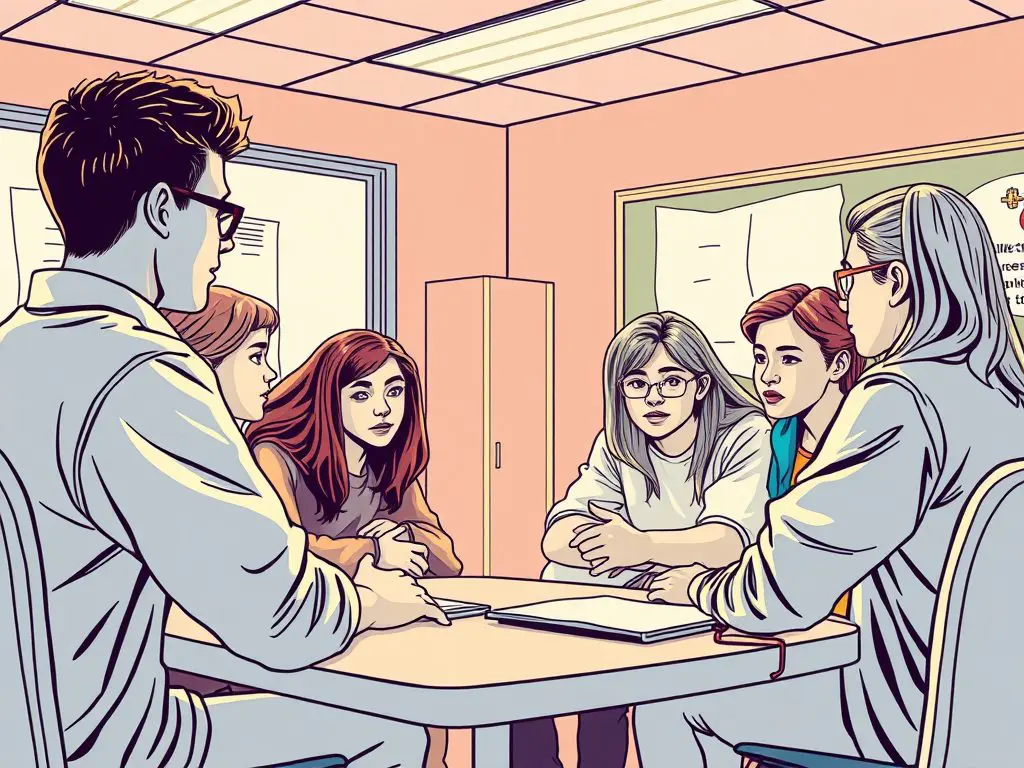
- Mental health support: Accessible mental health services within schools are crucial. Data indicates that students with mental health support are less to engage in violent behaviors. Schools can partner with local mental health organizations to offer counseling services on campus.

- Social and emotional learning (SEL): Programs like CASEL help students manage emotions. They build positive relationships. These programs lead to better academic performance. A study found that students in SEL programs improved their behavior by 15%.

- Trauma-informed care: Educators can create a supportive environment for students who have experienced trauma by receiving training on trauma-informed practices. This approach acknowledges the prevalence of trauma. It focuses on building a sense of safety and trust within the school community.
Addressing Potential Challenges
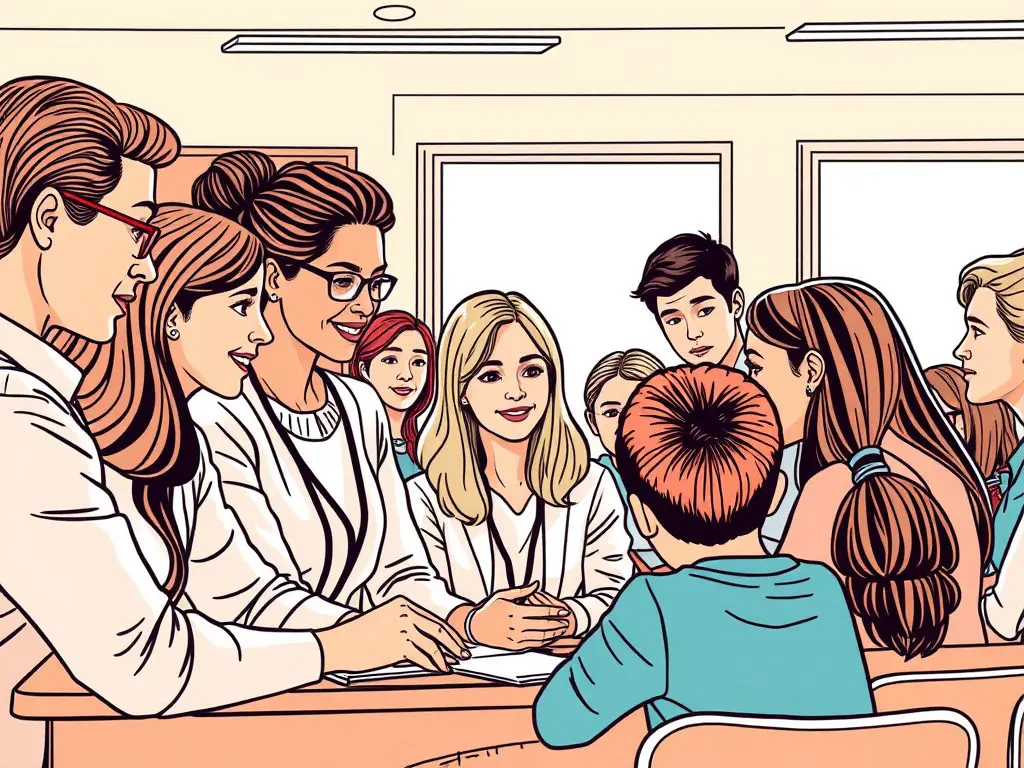
While implementing these strategies is essential, challenges like resistance from faculty or limited resources arise. To overcome these obstacles, schools should offer training sessions for staff. These sessions will emphasize the importance of these approaches. Additionally, schools should advocate for grant funding or community partnerships to secure resources.
Encouraging Community Involvement
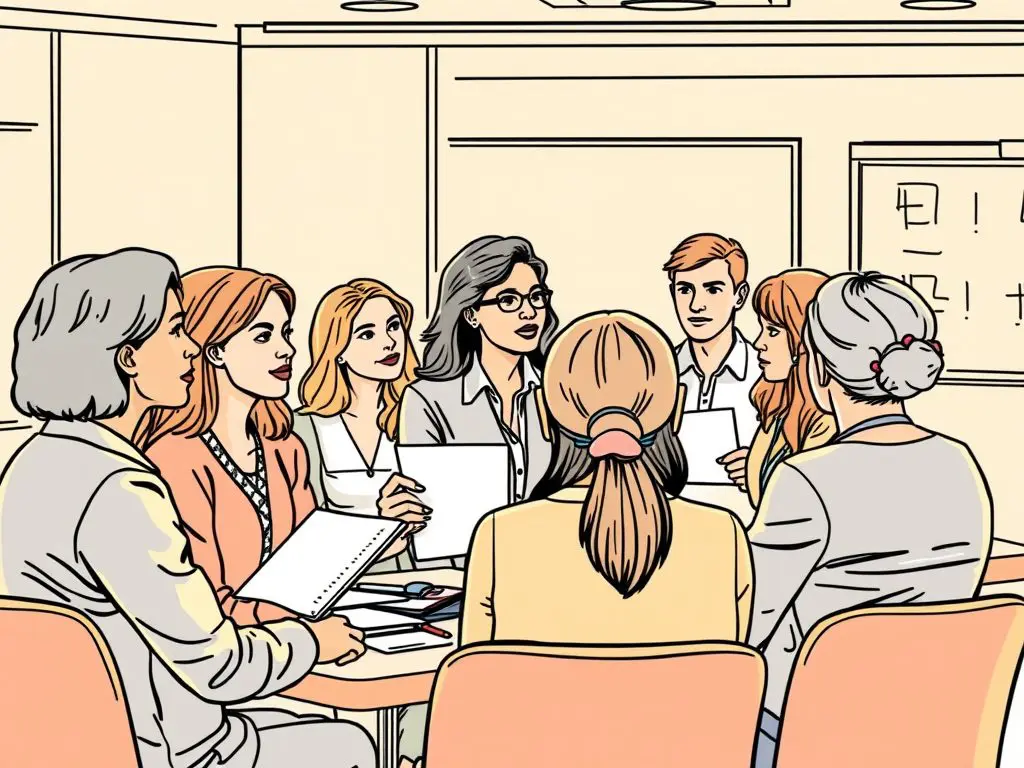
Community members can take specific actions to support these strategies, such as:
- Attending school board meetings to advocate for violence prevention programs.
- Volunteering for mentorship programs.
- Supporting local mental health initiatives.
- Participating in community-driven workshops that focus on conflict resolution and violence prevention.
Student Voices
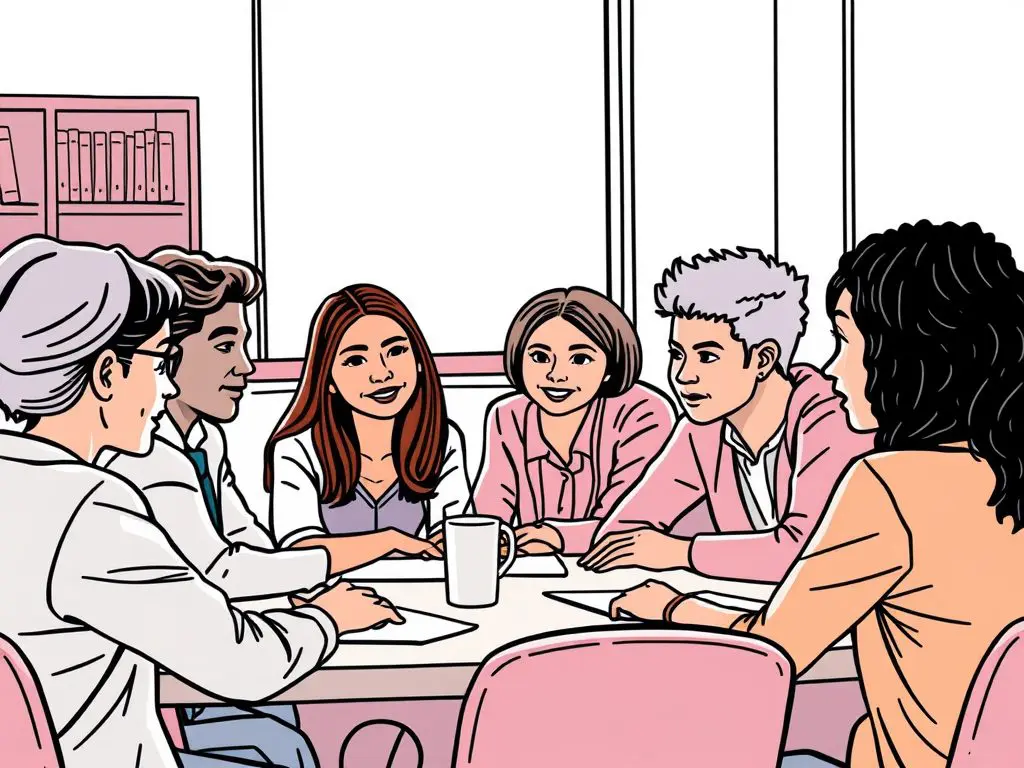
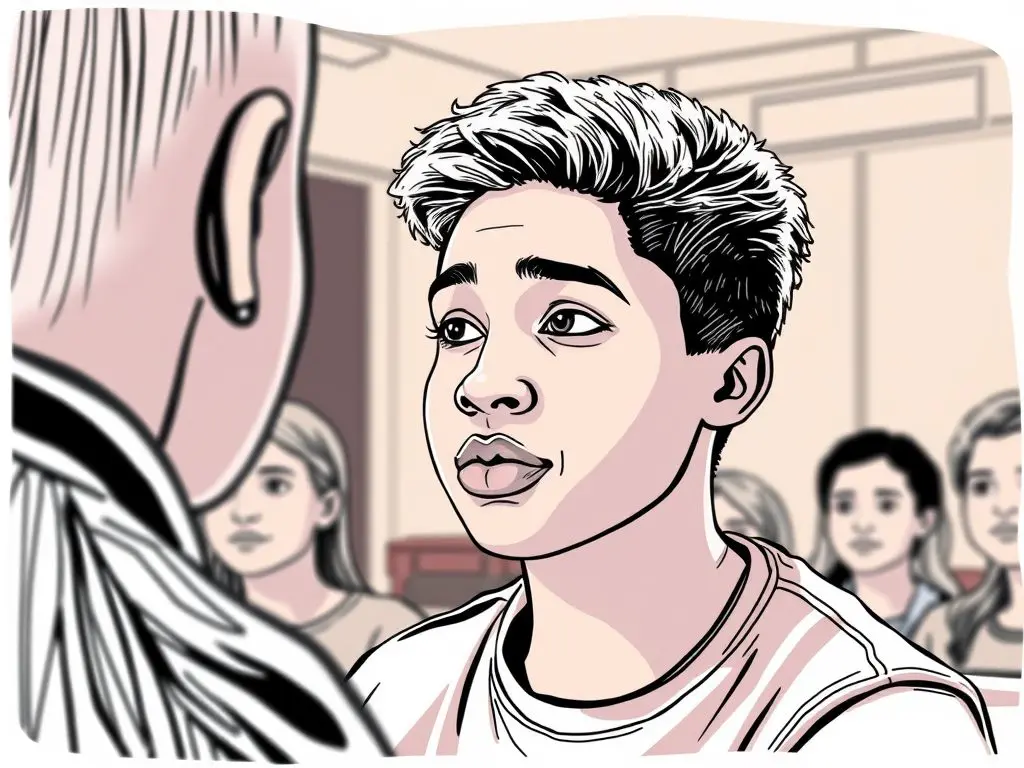
Incorporating student testimonials can give valuable insight into the effectiveness of these strategies. A student from a restorative justice program shared an experience. “Having a space to talk about conflicts without being punished made a huge difference. I felt heard, and it helped me manage my anger.”
The Solution: Rehabilitation and Prevention
One promising solution is the Mondosol platform, which offers free online courses and resources for schools and families. These courses cover topics like anger management, conflict resolution, and building positive relationships.
Some of our courses




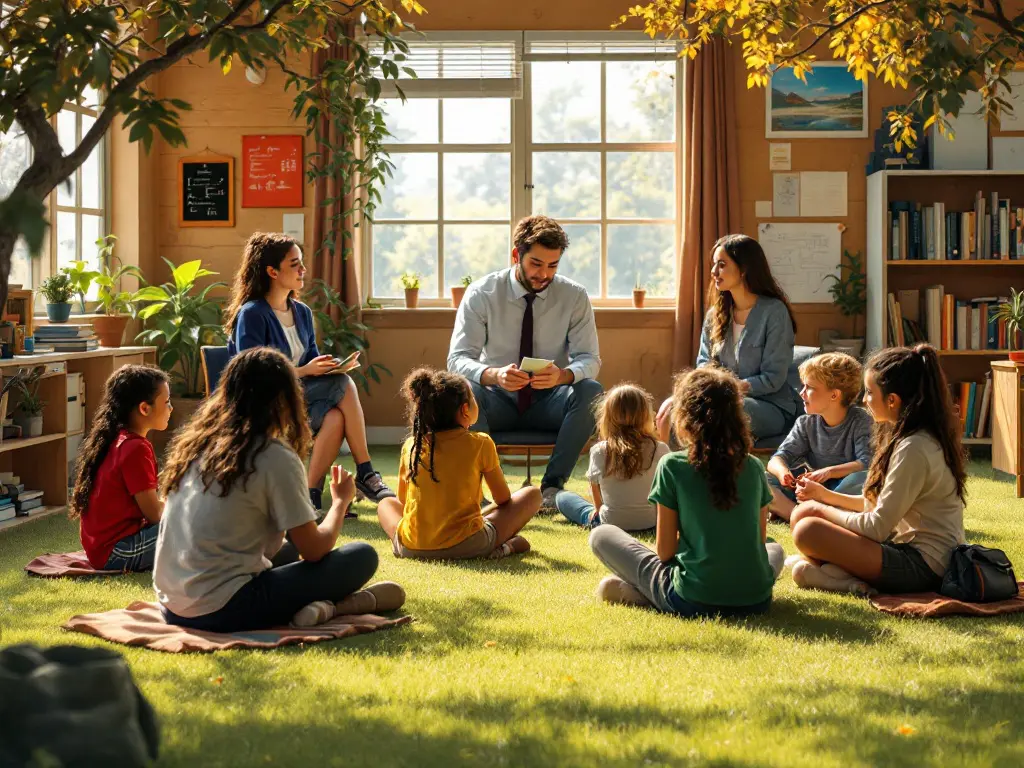
Additionally, Elio Mondello offers personalized coaching for schools, providing tailored support and training to teachers and staff.
School Coaching
Choose one of the
Creating a better future for our kids will take time and effort, but it’s worth it. We need to break the cycle of violence and give kids the tools they need to thrive. By focusing on rehabilitation and school violence prevention, we can create schools where all students feel safe, respected, and valued.

Innovative Approaches to Preventing School Violence
To further support positive change, we recommend incorporating the following strategies:
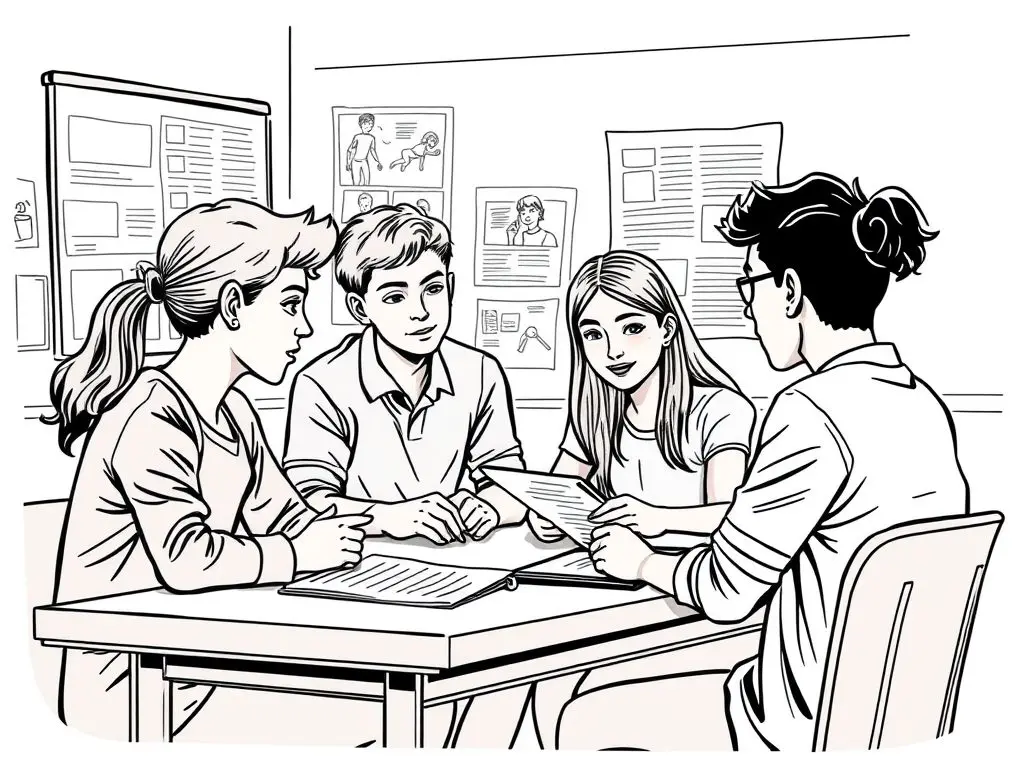
- Media Literacy: Teaching students to critically analyze media content helps them understand the potential impact of violent images and messages. Research shows that media literacy can reduce aggression by helping students question the normalization of violence in media.
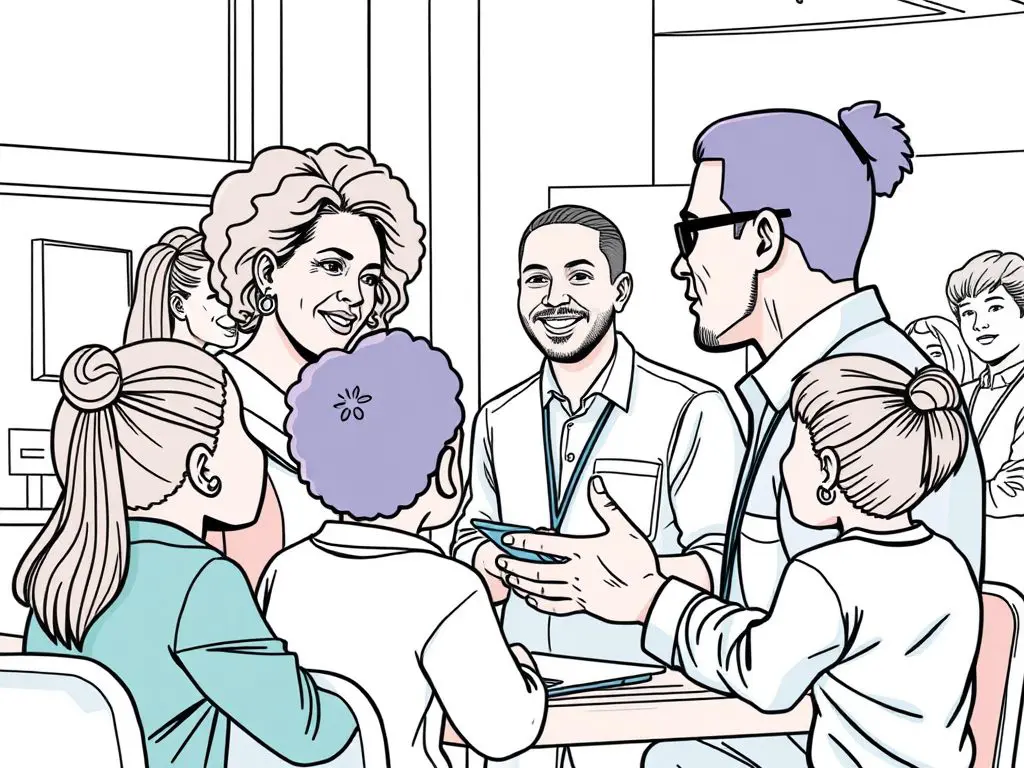
- Positive Role Models: Promoting strong, positive role models within schools and communities instills values of respect and empathy in students. Programs that bring community leaders as guest speakers have seen positive shifts in student attitudes.
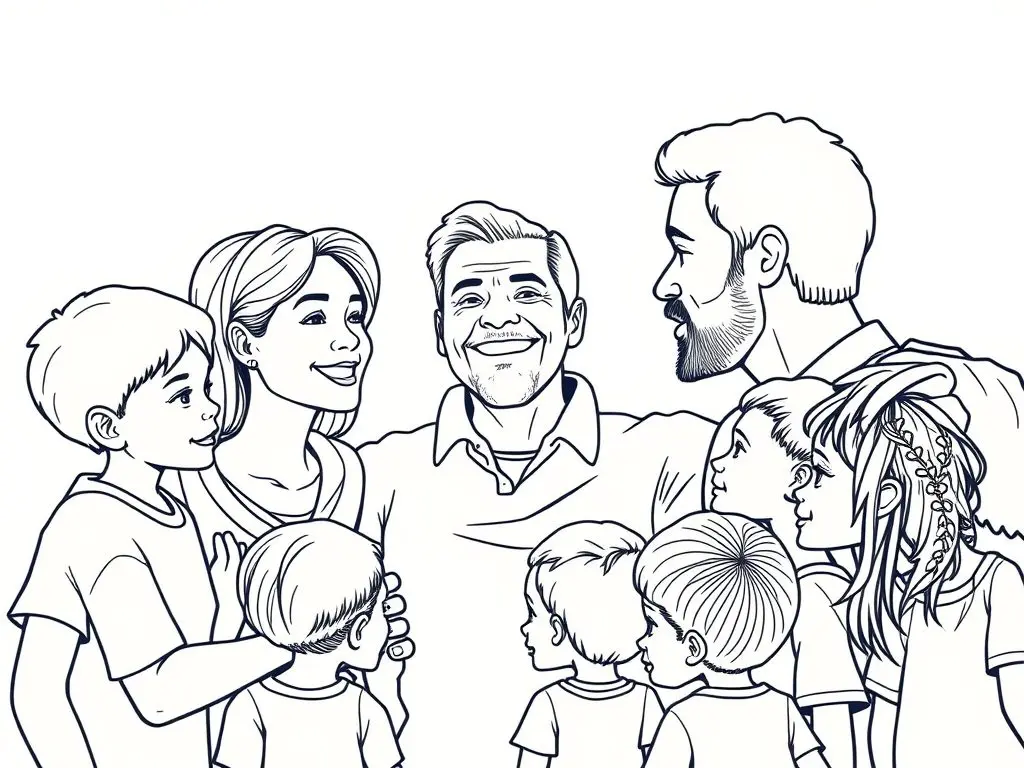
- Involvement of Fathers: Encouraging greater father involvement in children’s lives can offer extra support and guidance. Community initiatives that celebrate engaged father figures have been shown to enhance student engagement and achievement.
- Mental Health Support: Prioritizing access to mental health services for students is critical. Schools can work with local organizations to offer workshops on mental health awareness and coping strategies.

We can make learning safer for all students by using these strategies and promoting empathy and understanding.
Call to Action
It’s time for educators, parents, and community members to come together and take action:
- Engage in violence prevention efforts.
- Advocate for necessary changes within schools.
- Actively create a nurturing environment for all students.
Together, we can make a difference and create schools where every child feels secure and empowered.







Leave a Reply