


Cultural immersion is not just travel; it’s a transformative experience that opens your heart and mind. In this cultural immersion guide, we will explore proven strategies to connect deeply with local communities by engaging in unique experiences.
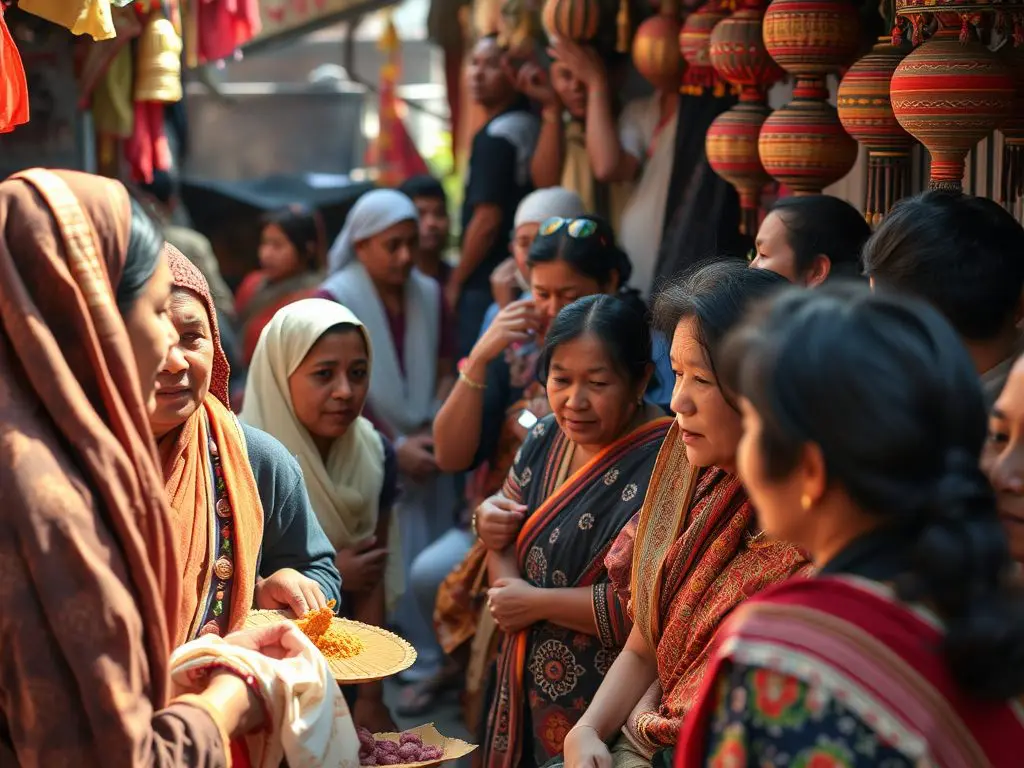
We will embrace unique traditions. Here, you’ll learn how to navigate unfamiliar cultures and truly understand what it means to live like a local.

What is Cultural Immersion?
- Definition and importance
Cultural immersion involves engaging with a different culture in a way that goes beyond surface-level experiences. It’s about understanding the people, their customs, and their way of life. - Benefits of immersive travel
Experience personal growth, enhanced empathy, and a global perspective. - Difference between tourist experiences and cultural immersion
Tourists often visit popular sites. In contrast, cultural immersion seeks to interact with local life in meaningful ways.
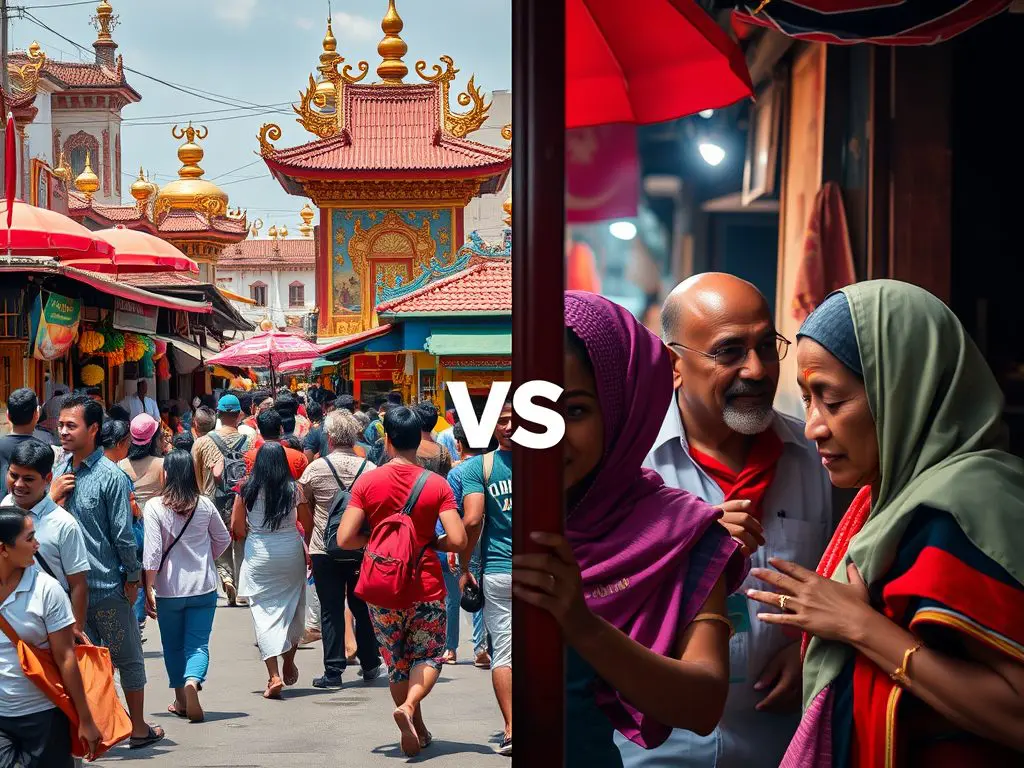
Pre-Travel Preparation:
- Research and cultural understanding
Dive deep into the culture you’ll be visiting to build a solid foundation for your experience. - Language basics
Learn essential phrases that can help you communicate effectively with locals. - Setting realistic goals
Outline what you hope to achieve during your immersion, such as making friends in the community or mastering a local dish. - Cultural sensitivity preparation
Understand the local norms and practices to foster respect and openness.

Essential Cultural Immersion Strategies:
1. Local Living Arrangements
- Homestays vs. hotels
Choose accommodations that allow you to engage with locals daily, providing you with authentic insights. - Local neighborhood choice
Opt for areas where residents genuinely live to experience daily life. - Community integration tips
Join local traditions and events to forge deeper bonds with residents.
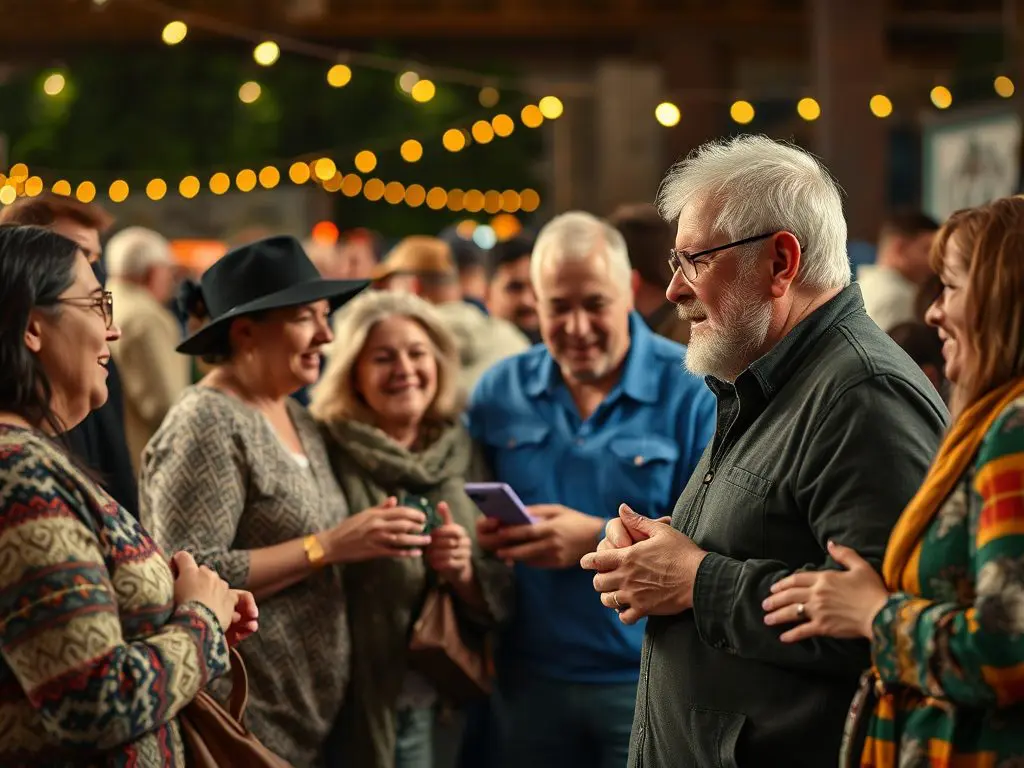
2. Language and Communication
- Basic phrases to learn
Start with greetings and polite expressions to break the ice. - Language learning resources
Use apps and online courses to enhance your skills. - Non-verbal communication tips
Master the nuances of body language and gestures. - Cultural context in communication
Discover how cultural backgrounds shape interactions.

3. Food and Culinary Experiences
- Local market exploration
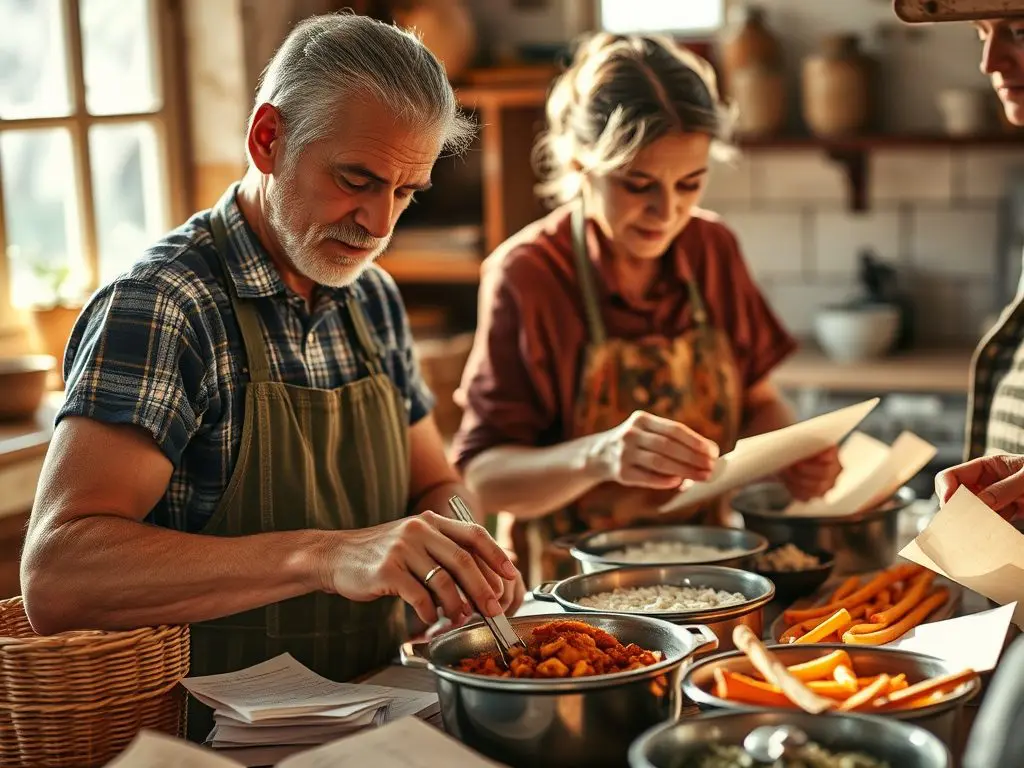
Spend time at markets to see daily life unfold and taste authentic flavors. - Cooking classes with residents
Learn to cook traditional dishes alongside locals, building connections through food. - Street food adventures
Dive into the culinary scene by trying street food from local vendors. - Family meal etiquette
Understand customs around dining to show respect during meals. - Traditional recipe learning
Collect recipes from local families to take home, preserving the experience.
4. Building Local Connections
- Join Community Activities
Engage in activities that bring people together, such as volunteering or sports. - Local festivals and celebrations
Join cultural events to gain insight into the community’s values and traditions. - Religious ceremonies (when appropriate)
Attend events with an open mind and respectful demeanor to learn about local beliefs. - Community sports events
Cheer on local teams to nurture a sense of belonging and kinship. - Volunteer opportunities
Give back to the community while you learn about their needs and strengths.
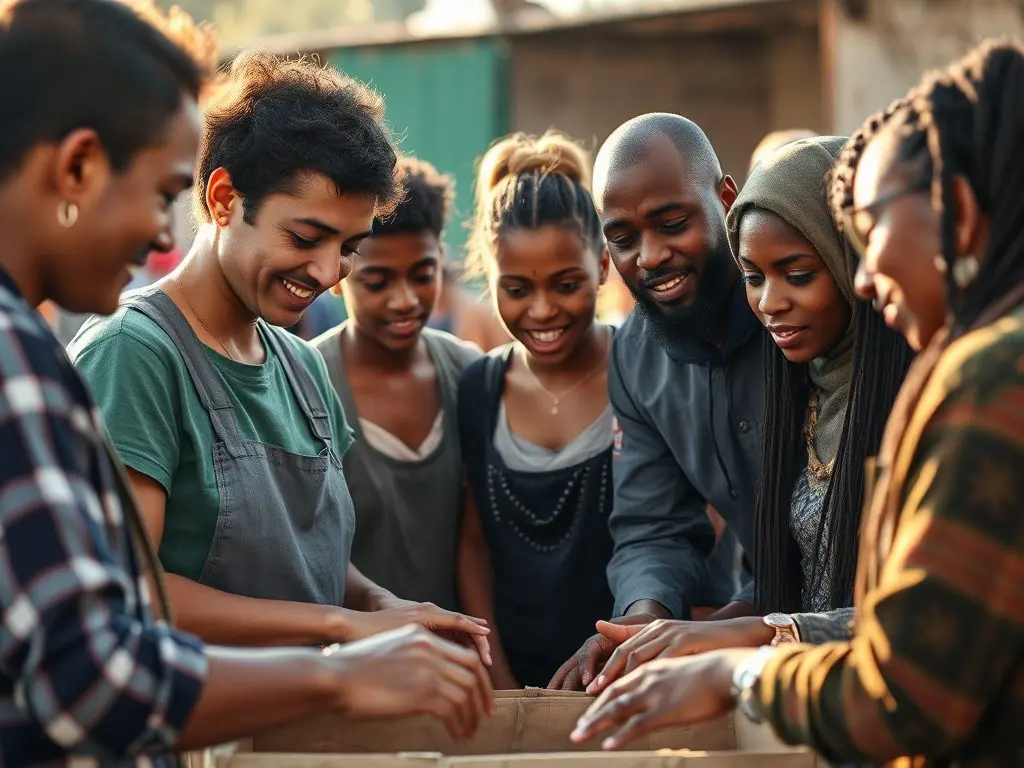
5. Daily Life Integration
- Transportation
Use local transportation methods to blend in seamlessly with daily life. - Shopping and Services
Frequent local shops to support the economy and connect with vendors. - Social Customs
Adapt to local ways of greeting and interacting to build rapport.
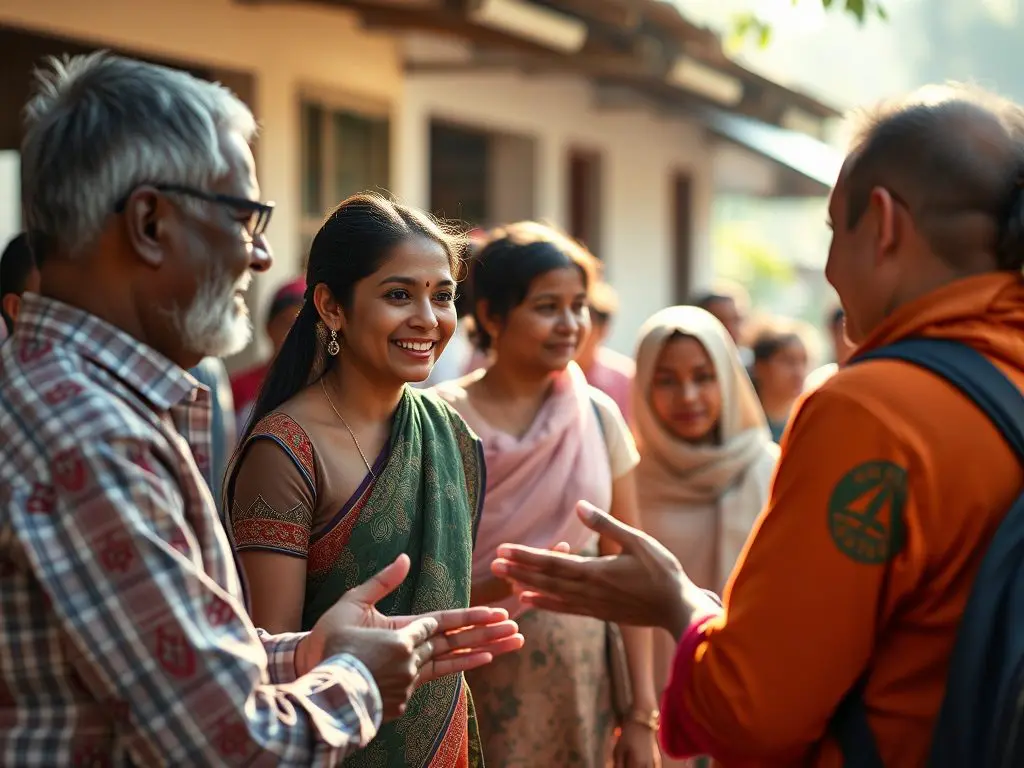
6. Digital Tools for Cultural Immersion
- Essential Apps
Find apps that help with language and offer cultural insights, enhancing your immersion. - Community connection platforms
Use social media to connect with locals and other travelers.
7. Common Challenges and Solutions
- Language Barriers
Use translation tools and carry a language guide to facilitate communication. - Cultural Misunderstandings
Stay aware of common faux pas and learn how to navigate misunderstandings gracefully.
8. Documenting Your Experience
- Respectful Photography
Always seek permission before snapping photos of people and their property. - Journaling and Reflection
Capture your thoughts and feelings to enhance your growth and understanding.
9. Long-term Benefits
- Personal Development
Experience increased awareness and adaptability through challenges faced during immersion. - Global perspective
Understand different viewpoints and practices, enriching your worldview.
10. Sustainable Cultural Immersion
- Responsible Tourism
Support local enterprises and respect cultural heritage to leave a positive impact. - Giving Back
Join in projects that contribute positively to communities.
Quick Tips for Success:
- Learn basic greetings in the local language.
- Watch before participating in new customs or activities.
- Stay open-minded and flexible to new experiences.
- Respect local customs and traditions to build trust.
- Build genuine relationships with locals for a deeper understanding.
- Take time for reflection to process your experiences and growth.
Ready to Start Your Cultural Immersion Journey?
Download our free Cultural Immersion Checklist and get:
- Pre-travel preparation guide
- Essential phrases in multiple languages
- Cultural etiquette quick reference
- Local connection resources
Related Resources:
- Language Learning Guide
- Traditional Cooking Class
- Local Community Connect Program
- Cultural Exchange Networks
FAQs About Cultural Immersion:
Q: How long should I stay for true cultural immersion?
A: While even short periods can be valuable, we recommend at least 3-4 weeks for meaningful cultural integration. This allows time to create routines and develop local connections.
Q: Is it necessary to be fluent in the local language?
A: While fluency helps, it’s not essential. Basic phrases and a willingness to learn are more important.
Q: How do I handle culture shock?
A: Focus on maintaining routines and connecting with both locals and other expatriates.
Q: What are common fears travelers have about cultural immersion?
A: Many worry about misunderstandings in communication or not fitting in. Remember, it’s okay to make mistakes; locals often appreciate your efforts to adapt.
Q: How do I ensure I’m being respectful while immersing myself?
A: Educate yourself about local customs beforehand and always be receptive to feedback from locals.
Expert Tips:
- 💡 “Start each day with a local morning routine.”
- 💡 “Keep a phrase book of daily expressions you learn.”
- 💡 “Join in at least one community event per week.”
- 💡 “Take time to understand the local view on global issues to foster meaningful discussions.”
- 💡 “Form bonds over shared meals—food is a universal language.”
Ready to Transform Your Travel Experience?
Join our community of cultural explorers and get:
- Monthly cultural immersion newsletters
- Access to local community contacts
- Exclusive cultural guides and resources
- Special rates on language courses
Related Articles
- Essential Language Learning Tips for Travelers
- How to Find Authentic Local Experiences
- Guide to Traditional Customs Worldwide
- Cultural Photography Ethics
People Also Read
- Air hnb on Airbnb and now on Mondosol
- Custom Merchandise: The Go-To Strategy for Trade Show Success
- Language Learning Success: Combining Italian and Norwegian Cultural Insights
- Unlocking Italian Heritage: Language Learning Through Cultural Connection








Leave a Reply