


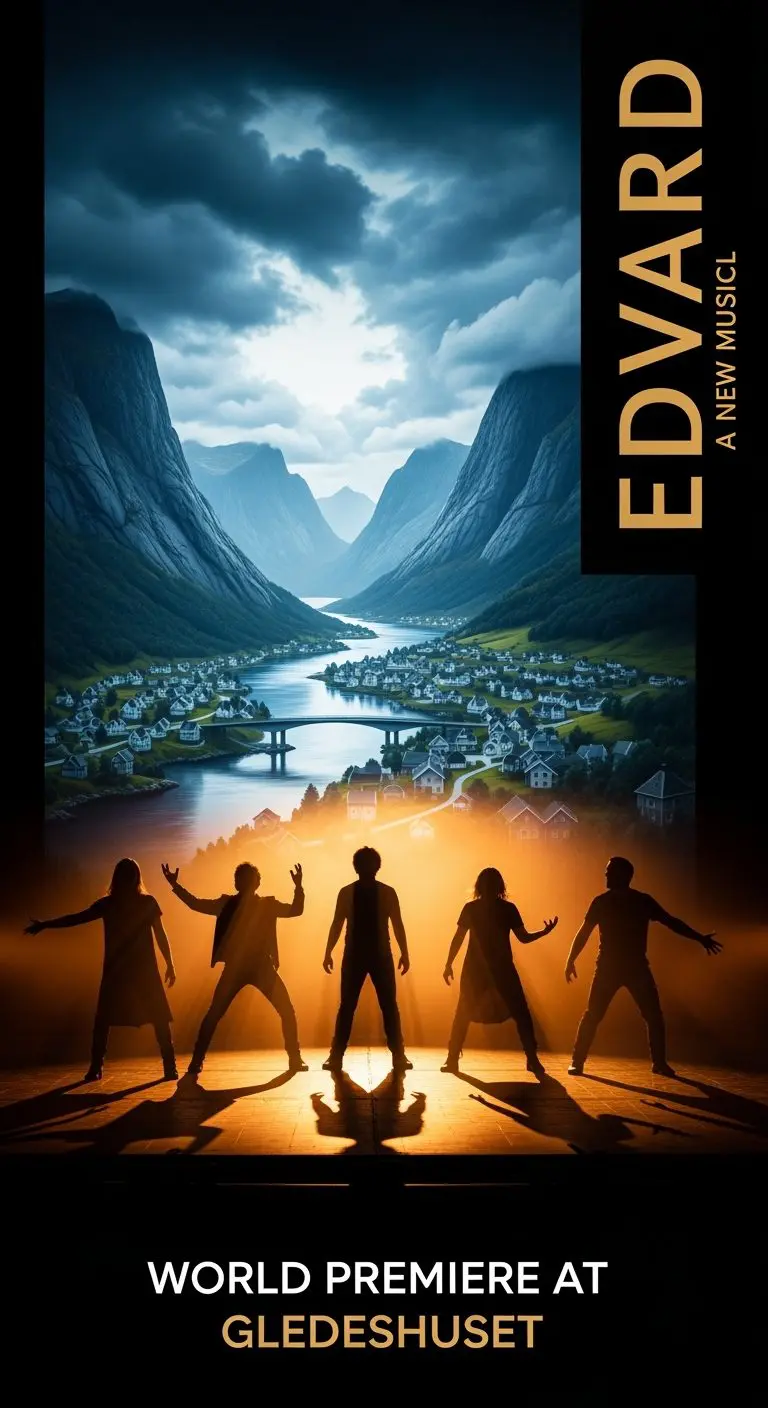
In the heart of Hønefoss, a remarkable Edvard Munch musical Hønefoss is illuminating a forgotten chapter of Norway’s most celebrated artist. The Edvard Munch musical “Edvard” – premiering at Gledeshuset – reveals the hidden Ringerike connections that shaped Edvard Munch’s artistic journey during his most formative years.
Key Takeaways
- The Edvard Munch musical Hønefoss premieres at Gledeshuset, uncovering Munch’s connections to Ringerike during his formative years.
- Local artist Thomas Klever highlights Munch’s three crucial summers in Ringerike, where he created significant artworks.
- The production emphasizes cultural archaeology, revealing how Munch’s importance in Ringerike is often overlooked by major institutions.
- Audiences can explore Munch-related sites through Gallery Klever tours, enhancing Norwegian cultural heritage tourism.
- The musical combines historical research with theatrical elements, showcasing the artistic evolution of Edvard Munch.
Uncovering Munch’s Lost Years in Ringerike
The Edvard Munch musical Hønefoss tells a story that has been overlooked by major cultural institutions for decades. Between ages 15 and 20, Munch spent three crucial summers in Ringerike – a period that coincided with his artistic awakening and the creation of his personal manifesto at age 17.

Thomas Klever, local artist and cultural preservationist, has been championing this Ringerike Edvard Munch connection since 2004. “No one in this district had lifted this story,” Klever explains. His dedication resulted in identifying 15 specific locations where Munch created paintings and drawings, from Krokleiva to Sundvolden.
The Family Connection: Christian Munch’s Military Service
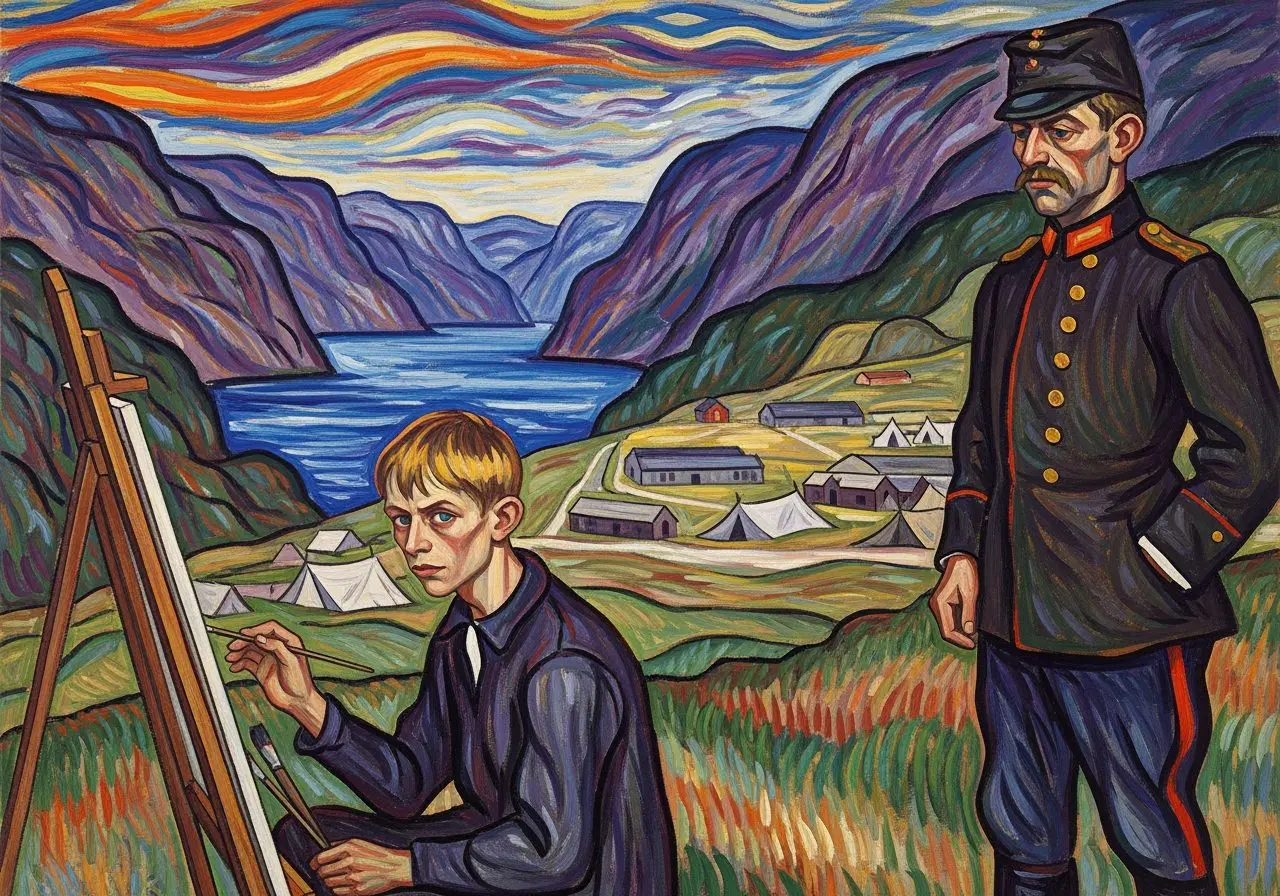
The Munch Helgelandsmoen military camp connection runs deep. Edvard’s father, Christian Munch, served as a military doctor at Helgelandsmoen, while young Edvard stayed with his father’s cousin, a priest at Hole church. This Norwegian cultural heritage story remained buried in historical footnotes until local researchers brought it to light.
From Local Discovery to Global Recognition
The Gledeshuset theater Hønefoss production represents more than entertainment – it’s cultural archaeology. Klever’s research revealed that even the Munch Museum in Oslo omits Ringerike from their official documentation, despite its significance to the artist’s development.
“When I mention Edvard Munch to international tourists,” Klever notes, “they instantly become interested. It’s a door opener for Norwegian cultural heritage tourism.”
The Creative Vision Behind the Musical
Thomas Klever Gallery Klever founder collaborated with playwright Bror Andersson to transform historical research into theatrical experience. Every costume and stage design element tells part of Munch’s story, embodying Klever’s philosophy: “To recreate is also to create.”
The production showcases specific Munch paintings Ringerike locations, including:
- The old bridge over Hønefoss (pillars still visible today)
- Glatrets Hotel (destroyed in WWII)
- Hole church and surrounding areas
- Multiple motifs from Helgelandsmoen
Cultural Tourism and Economic Impact
This Hønefoss cultural events initiative demonstrates how local heritage preservation can drive Norwegian tourism. The musical serves as a “brekstang” (door opener) for international visitors, connecting global recognition with local storytelling.
The project aligns with broader Ringerike tourism development efforts, positioning the region as more than just a stopover between Oslo and Bergen.
Artistic Philosophy and Personal Journey
For Klever, this represents both cultural mission and personal artistic evolution. Having worked with renowned Norwegian painter Ola Nordrum, he brings classical figurative training to theatrical design.
“It’s like a dannelsesreise,” he explains, referencing the traditional European cultural education journey. “Learning about Edvard Munch is becoming culturally educated.”
FAQ Section
The musical “Edvard” explores the hidden connection between Edvard Munch and Ringerike, focusing on his formative years (ages 15-20) when he spent summers in the area while his father served as a military doctor at Helgelandsmoen.
The musical premiered at Gledeshuset in Hønefoss, with performances running from September 18-28, 2025. Tickets are available at ringbillett.no.
This period (ages 15-20) coincided with Munch’s artistic awakening. At 17, he wrote his artistic manifesto and decided to become a painter. Local research has identified 15 locations where he created artwork during these summers.
The musical was created by Thomas Klever (artist and stage designer), Bror Andersson (writer/playwright), and a composer. Klever has been researching Munch’s Ringerike connections since 2004.
Yes, Gallery Klever offers tours showcasing Munch’s local connections. Contact galleryclever.no or follow Gallery Klever on social media for tour information (typically weekends June-September).
It reveals a largely unknown chapter of Munch’s life that even major institutions like the Munch Museum in Oslo have overlooked. It combines local historical research with theatrical innovation.





Leave a Reply