


Imagine starting your day with Norwegian brunost (brown cheese) and ending it with Italian tiramisu. This isn’t just a food combination typical of Norwegian Italian fusion. It tells a story and connects to our innate wish to share experiences.

Just as food traditions can intertwine, so too can language learning and cultural understanding. Each flavor offers a unique vocabulary. Every dish tells a story. It is an invitation to taste and appreciate the essence of Norway and Italy. At Mondosol, we harness this powerful connection, making language learning an enriching journey through the culinary arts.
The Power of Food in Language Learning
Norwegian Kitchen Essentials
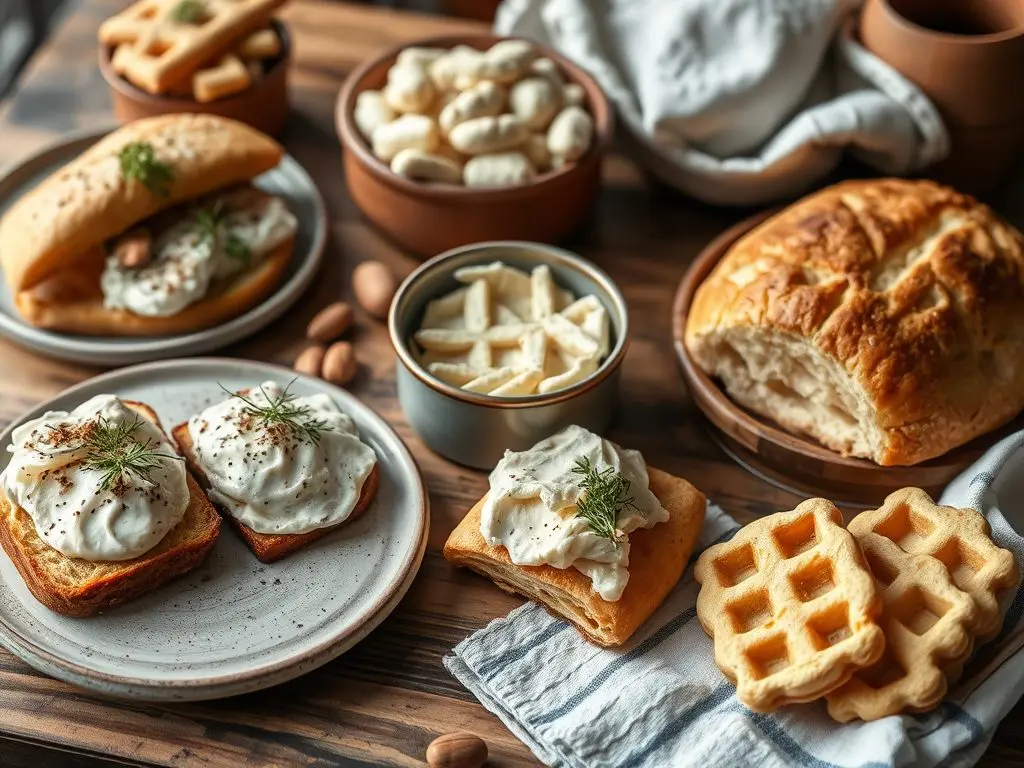
- Pålegg: The art of open-faced sandwiches
- Lutefisk: Traditional cod dish
- Lefse: Soft flatbread
- Krumkaker: Delicate waffle cookies, sometimes enjoyed in a fusion dish with Italian coffee.
Italian Culinary Foundations
- Aperitivo: Pre-dinner ritual
- Primo e Secondo: Course structure
- Digestivo: After-dinner traditions
- Merenda: Afternoon snack culture, ideal for a blend of Norwegian and Italian flavors.
Language Through the Kitchen

Key Vocabulary Sections
- Cooking Terms
- Norwegian: stelle i stand, koke, steke
- Italian: cucinare, bollire, arrostire – all terms you might come across in Norwegian Italian fusion recipes.
- Ingredient Names
- Norwegian: fisk, kjøtt, grønnsaker
- Italian: pesce, carne, verdure
- Mealtime Expressions
- Norwegian: god appetitt, skål, velbekomme
- Italian: buon appetito, salute, grazie del pasto
Cultural Fusion in Practice

Modern Fusion Examples
- Norwegian salmon with Italian pasta, a perfect example of delicious Norwegian Italian fusion.
- Bruschetta topped with Norwegian seafood
- Italian coffee with Norwegian Christmas cookies
Family Traditions
- Sunday dinner customs
- Holiday meal preparations often include elements of Norwegian Italian fusion.
- Special celebration foods
Learning Through Taste

Practical Tips
- Cook while learning language vocabulary
- Watch cooking shows in target language, especially those that blend elements of Norwegian and Italian cuisine.
- Visit local cultural food markets
- Join cooking classes in both traditions
Language Learning Activities

Interactive Exercises
- Recipe translation challenges
- Market shopping vocabulary
- Restaurant ordering practice
- Family meal discussions
Conclusion
Food isn’t just sustenance – it’s a gateway to cultural understanding and language mastery. These culinary traditions help us appreciate Norwegian heritage. They also allow us to appreciate Italian heritage. They accelerate our language learning journey, especially when we embrace the unique Norwegian Italian fusion.
🍝 Ready to explore language learning through food?
Join our next cultural cooking session and learn both languages naturally!









Leave a Reply