


Norway is famous for its amazing natural resources. Oil and gas, in particular, have really shaped the country’s economy and its place in the world. The oil and gas industry has played a crucial role in this transformation.
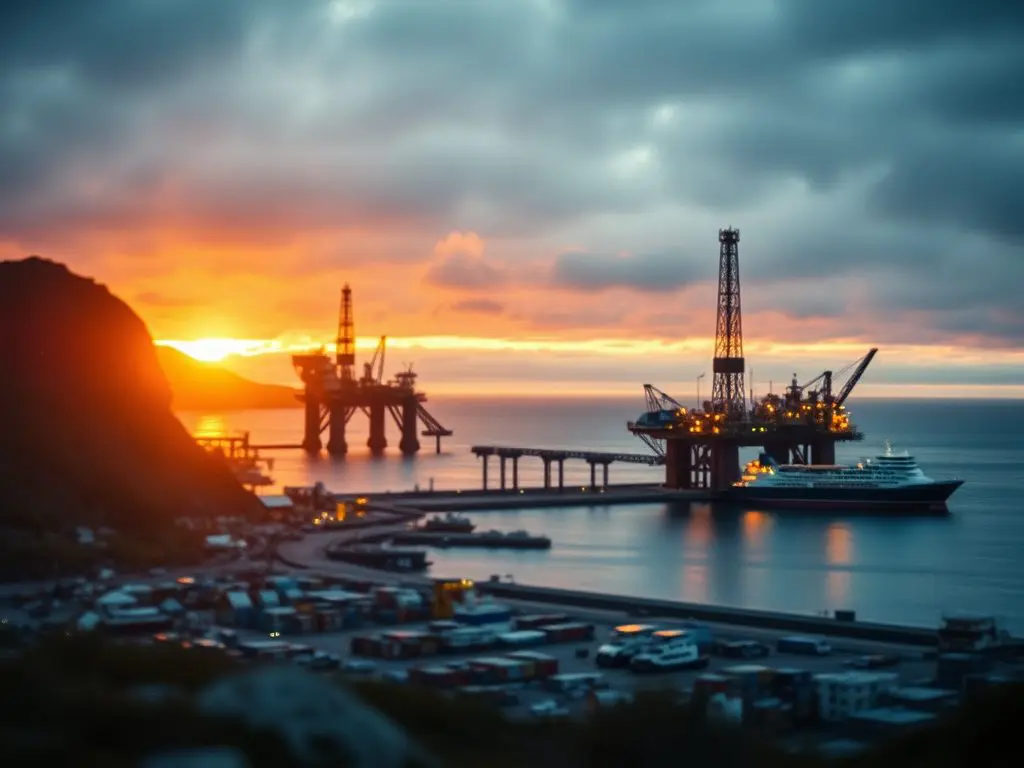
Norway has the biggest oil reserves in Europe. They top over 8 billion barrels. That makes it a big deal in the global energy scene.
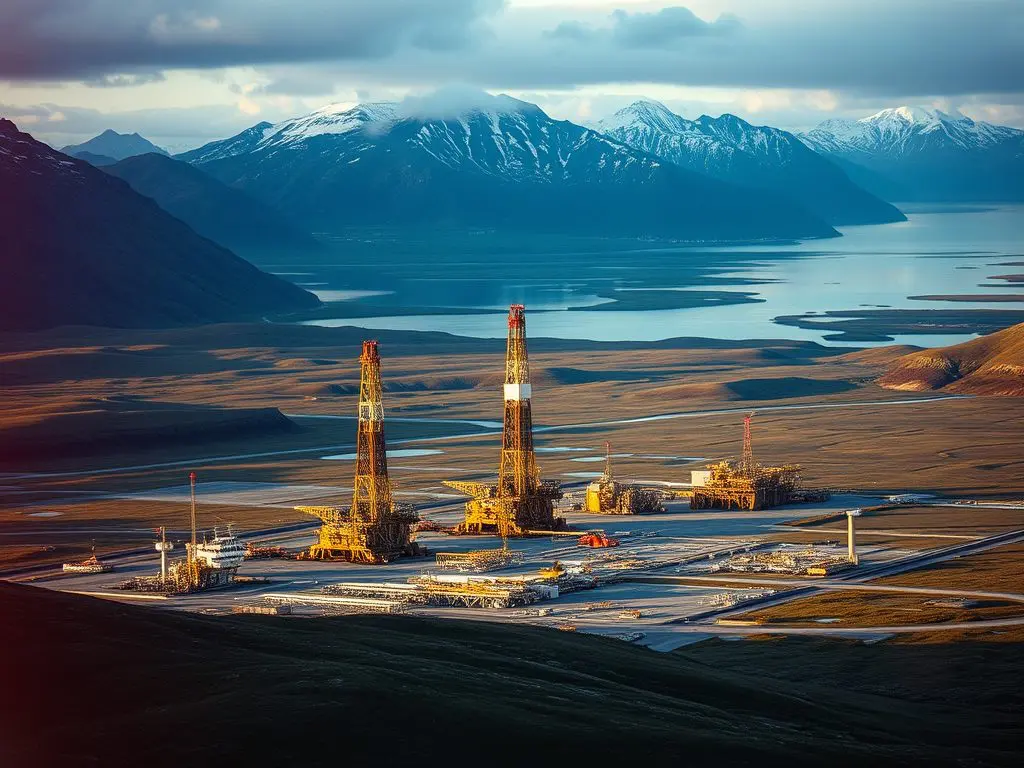
The country has built a solid offshore oil industry. It boosts the economy and sparks new ideas in sustainability. This shows that the nation is serious about shifting toward renewable energy. At the same time, it remains a major player in the fossil fuel game.

Economic Impact
- This thriving sector generates around 200,000 jobs directly and indirectly. Source
- Moreover, it significantly contributes to Norway’s economy, accounting for approximately 20% of the nation’s GDP. Source
- The average salaries in this sector are notably high, often surpassing 1 million NOK annually. Source
- This makes it an attractive field for job seekers within the oil and gas industry.
- The oil and gas sector contributed around 500 billion NOK in tax revenue to the Norwegian government in 2022. Recent data indicates this contribution. This underscores its fiscal importance. Source
- The industry is making significant investments in 2023, projected to reach approximately 180 billion NOK. These investments are primarily directed toward exploration and technological advancements. Source
- The sector plays a crucial role in regional economies. This is especially true in areas like Stavanger and Bergen. Employment in oil and gas directly supports local businesses and services.
- With about 40% of Norway’s exports coming from this industry, its influence on the national trade balance is significant. Source
- These factors all contribute to making the oil and gas sector a cornerstone of Norway’s economic stability and growth.

Environmental Initiatives
In light of growing environmental concerns, Norway is investing heavily in renewable technologies. The country aims for a 55% reduction in greenhouse gas emissions by 2030. Source
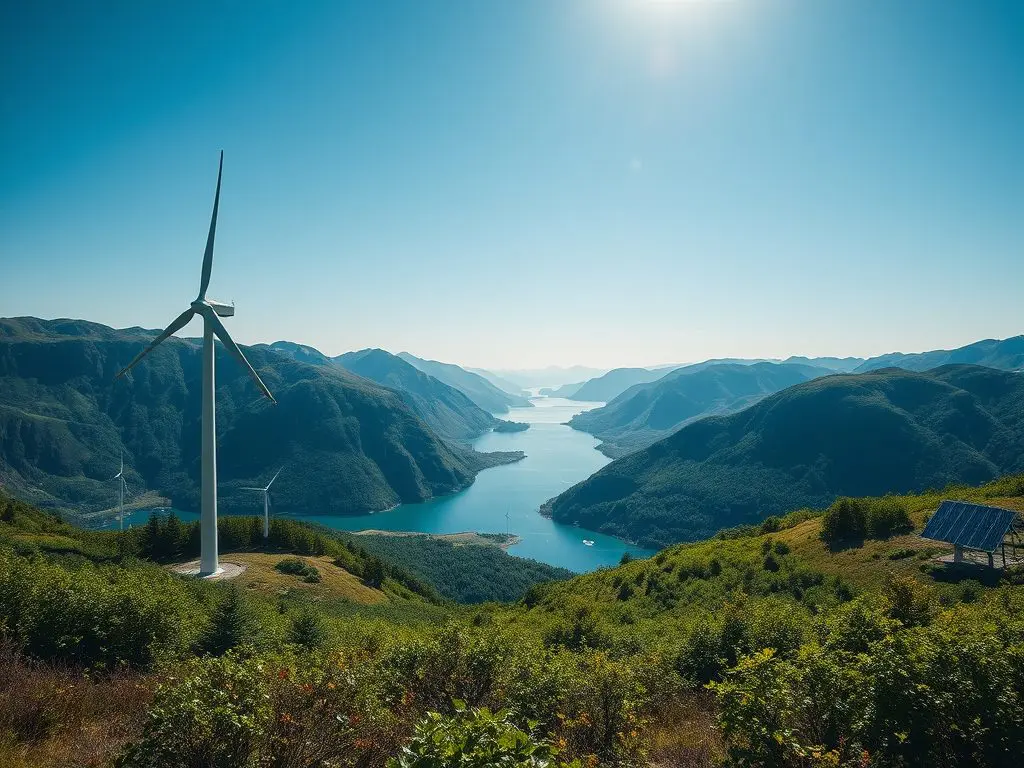
It focuses particularly on reducing emissions generated by the oil and gas industry.
Specific examples of these renewable technologies include:
- Offshore Wind Farms: Norway is developing several offshore wind projects. These projects aim to harness wind energy. Wind energy is a clean choice to fossil fuels. Source
- Hydropower Expansion: Existing hydropower facilities are being upgraded for increased efficiency, and new plants are also being constructed. Source
- Sustainable Bioenergy: Investments are being made in bioenergy solutions, including biomass and biogas, that use waste materials to produce energy. Source
These initiatives will primarily be met through advancements in wind, hydropower, and sustainable bioenergy projects.
Policy Developments
Recent policy changes show Norway’s commitment to stricter emissions regulations and a phased reduction of oil exploration in vulnerable areas. Source

This shift highlights the nation’s dedication to transitioning towards sustainable energy practices, thereby affecting the oil and gas industry.
Related Sectors
The oil and gas industry also boosts related sectors, for example, engineering and logistics. An estimated 10,000 new jobs are created annually in these fields. Source
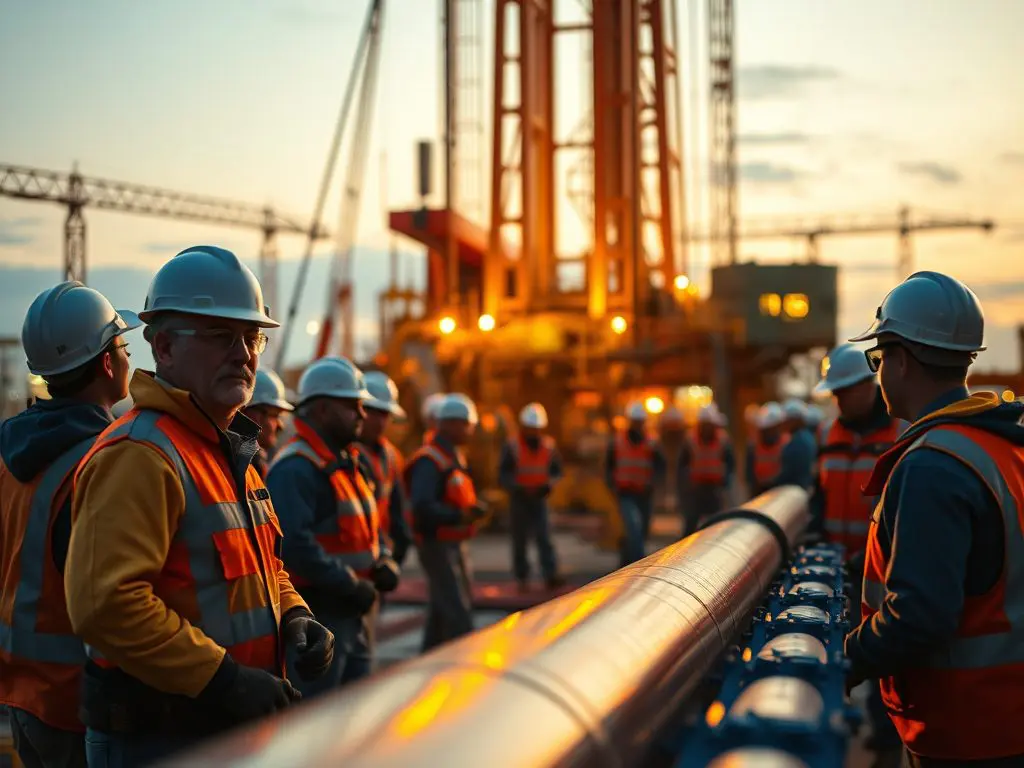
Companies like Equinor and Aker BP seek skilled workers in roles like offshore engineers. They also look for environmental scientists.
Environmental Challenges
Despite economic benefits, the oil and gas industry poses environmental challenges, like greenhouse gas emissions and habitat disruption. Source

Norway seeks to balance economic growth with sustainability by investing in emission-reducing technologies.
Conclusion
Overall, the oil and gas industry is a key part of Norway’s economy. Green technologies and sustainable policies will influence its future, requiring a balance between economic interests and environmental responsibility.

People Also Read
To further expand your knowledge on related topics and gain deeper insights into Norway’s economic landscape, be sure to explore the next articles:






Leave a Reply